Mongol Empire Timeline
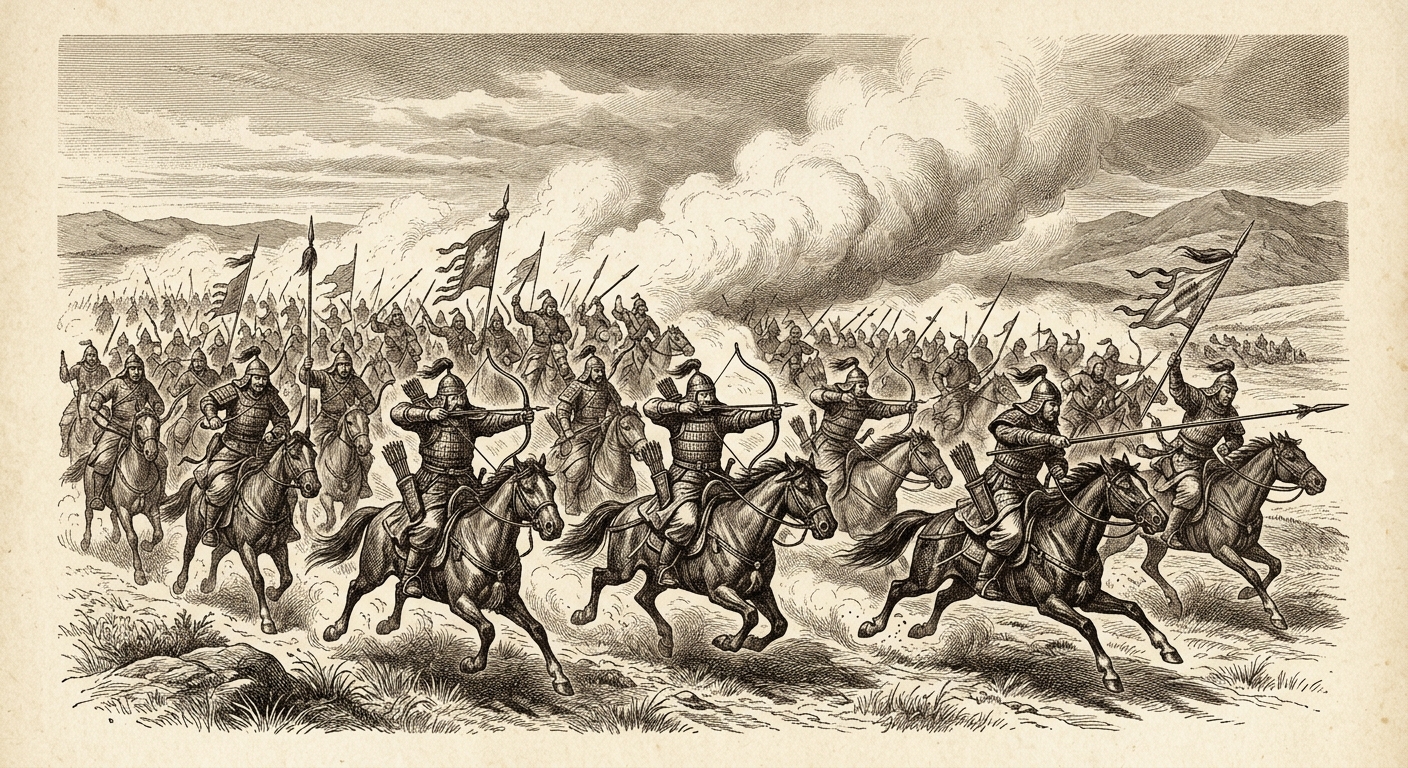
The Mongol Empire was the largest contiguous land empire in history — built by Genghis Khan and his descendants in just a few decades, stretching from the Pacific Ocean to Eastern Europe and ruling over a third of the world's population at its peak.
Genghis Khan started with almost nothing — he was born into a minor clan on the Mongolian steppe, kidnapped as a child, enslaved as a young man, and left to fight his way up from the bottom. By the time he died in 1227, he ruled an empire larger than the Roman Empire had ever been. His successors kept conquering. Within fifty years of his death, the Mongols controlled China, Persia, Central Asia, and had raided deep into Europe and the Middle East. They destroyed some of the ancient world's greatest cities — Baghdad, Samarkand, Kiev — and killed millions. But they also created the Pax Mongolica, a period of relative peace across Eurasia that made the Silk Road safe for trade and enabled an unprecedented exchange of goods and ideas between East and West. The Mongol Empire is one of history's most extreme examples of destruction and connection, both at once.
- 1206
Genghis Khan Unites the Mongols
Temujin, who fought his way to dominance among the nomadic peoples of the Mongolian steppe, is proclaimed Genghis Khan — 'universal ruler' — at a great assembly of tribal leaders.
Why it mattered: The unification of the Mongol tribes ended generations of inter-tribal warfare and created the most effective cavalry army the world had seen — one that would conquer more territory in 25 years than Rome did in 400.
- 1211–15
Invasion of Northern China
Mongol forces breach the Great Wall and invade the Jin Dynasty of northern China, eventually capturing Zhongdu (near modern Beijing) and absorbing Chinese administrative expertise and siege warfare technology.
Why it mattered: The conquest of China gave the Mongols far more than territory — access to Chinese engineering, administration, and technology (including gunpowder-based siege weapons) that they used to conquer the rest of the world.
- 1219–21
Conquest of Central Asia
Genghis Khan leads roughly 200,000 Mongol warriors through the Khwarazmian Empire, destroying the great cities of Samarkand, Bukhara, and Merv and massacring much of their population.
Why it mattered: The destruction of Central Asia's urban centers devastated one of the world's most advanced civilizations and its agricultural irrigation systems — damage that took centuries to undo, while the Mongol defeat of the Khwarazmian Empire opened the road to Persia and beyond.
- 1241
Invasion of Europe
Mongol armies under generals Batu Khan and Subutai devastate Poland and Hungary, crushing every European army they face, and reach the Adriatic Sea — stopping only when news arrives of the Great Khan's death and the army turns back.
Why it mattered: Europe had never faced anything like the Mongol cavalry — their victories shocked Christian Europe and showed how vulnerable even fortified kingdoms were; only the death of Ögedei Khan saved Western Europe from further conquest.
- 1258
Sack of Baghdad
Mongol forces under Hulagu Khan storm Baghdad, kill the Abbasid Caliph, and destroy the city's libraries, canals, and population — ending the 500-year-old Islamic golden age of the Abbasid Caliphate.
Why it mattered: The sack of Baghdad was one of history's most consequential catastrophes — the destruction of the Abbasid Caliphate and its cultural treasures was a blow to Islamic civilization from which the region took centuries to recover.
- 1260
Mongols Defeated at Ain Jalut
Egyptian Mamluk forces defeat a Mongol army at Ain Jalut in Palestine — the first decisive defeat of Mongol forces in open battle, stopping their advance into North Africa.
Why it mattered: Ain Jalut proved the Mongols were not invincible and marked the western limit of their expansion — the Mamluk victory saved Egypt, North Africa, and likely much of the Islamic world from Mongol conquest.
- 1271–95
Kublai Khan and the Pax Mongolica
Kublai Khan rules China as founder of the Yuan Dynasty; Marco Polo travels from Venice to his court; the stability of Mongol rule across Eurasia allows unprecedented trade and cultural exchange along the Silk Road.
Why it mattered: The Pax Mongolica — the Mongol Peace — made the Silk Road safe for travel for the first time in generations, enabling the exchange of goods, ideas, technologies, and unfortunately also diseases (including the Black Death) between East and West.
- 1368
Ming Dynasty Expels the Mongols
Chinese rebels under Zhu Yuanzhang overthrow the Mongol Yuan Dynasty and found the Ming Dynasty — ending Mongol rule over China, the empire's largest and most populous possession.
Why it mattered: The Ming expulsion marked the beginning of the end of the unified Mongol Empire — though Mongol successor states survived for centuries, the empire Genghis Khan built was gone, and China turned inward to protect itself from future nomadic invasions.
Mongol Empire Quiz
Check what you learned — read on screen, or use the Printable quiz button above for a worksheet version with an answer key.
Who was Genghis Khan, and what did he accomplish before 1227?
- A) A Chinese emperor who unified China and built the Great Wall
- B) A Turkish warrior who founded the Ottoman Empire
- C) A Mongol tribal leader who united the Mongol peoples and built an empire larger than Rome's in just decades
- D) A Silk Road merchant who established trade routes from China to Europe
What advantage did conquering northern China give the Mongols?
- A) It gave them a warm-water port that allowed them to build a powerful navy
- B) It gave them access to Chinese engineering, administration, and siege warfare technology that they used in further conquests
- C) It gave them enough farmland to abandon their nomadic lifestyle permanently
- D) It gave them control of the Silk Road's eastern end, which they used to charge heavy taxes on trade
What happened when the Mongols invaded Europe in 1241?
- A) European armies successfully stopped the Mongols at the borders of Poland
- B) Mongol armies crushed every European force they faced and reached the Adriatic, stopping only because of the death of the Great Khan
- C) The Mongols reached France before being defeated by the French king
- D) European armies defeated the Mongols at a famous battle in Hungary
Why was the Mongol sack of Baghdad in 1258 especially significant?
- A) It ended the Ottoman Empire, which had ruled Mesopotamia for 400 years
- B) It gave the Mongols access to the Persian Gulf and a warm-water trade route to India
- C) It destroyed the Abbasid Caliphate and its cultural institutions, ending the Islamic golden age in that region
- D) It was the first time any army had captured the city of Baghdad
What was the Pax Mongolica?
- A) The peace treaty Genghis Khan signed with China after conquering northern China
- B) A period of relative stability across the Mongol Empire that made the Silk Road safe for trade and enabled cultural exchange between East and West
- C) The Mongols' policy of sparing cities that surrendered peacefully
- D) The agreement between Mongol khans to divide the empire among Genghis Khan's four sons
Who defeated the Mongols at Ain Jalut in 1260?
- A) The Byzantine forces defending Constantinople
- B) Crusader knights from the Latin Kingdom of Jerusalem
- C) Egyptian Mamluk forces — the first army to decisively defeat the Mongols in open battle
- D) Persian cavalry forces from the Ilkhanate
What was the Mongol Empire's greatest historical significance?
- A) It was the first empire to use gunpowder weapons in battle
- B) As the largest contiguous land empire in history, it both devastated civilizations through conquest and connected Eurasia through trade and cultural exchange
- C) It successfully spread Islam across Asia and into Eastern Europe
- D) It invented the printing press and spread it from China to Europe along the Silk Road
What ended Mongol rule in China?
- A) A Mongol civil war that left the Yuan Dynasty unable to defend its borders
- B) The Black Death, which killed so many Mongol administrators that the government collapsed
- C) Chinese rebels under Zhu Yuanzhang overthrew the Yuan Dynasty and established the Ming Dynasty in 1368
- D) The Japanese navy destroyed the Mongol fleet, cutting off supplies to the Yuan Dynasty
Show answer key
1. C · 2. B · 3. B · 4. C · 5. B · 6. C · 7. B · 8. C
See it on the map
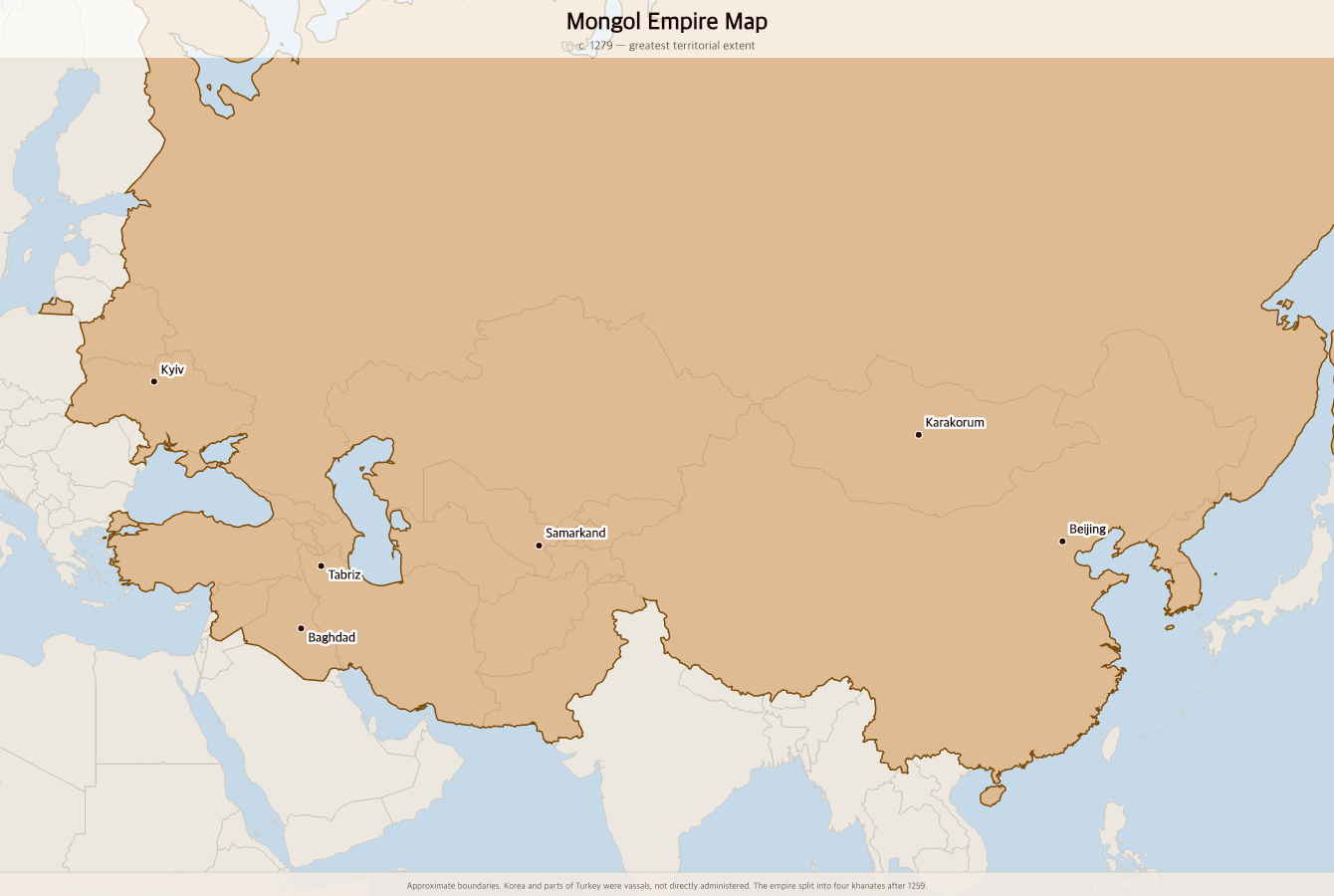 Pair this timeline with our printable The Mongol Empire map — see the full extent of the largest contiguous land empire in history. Open the map →
Related timelines
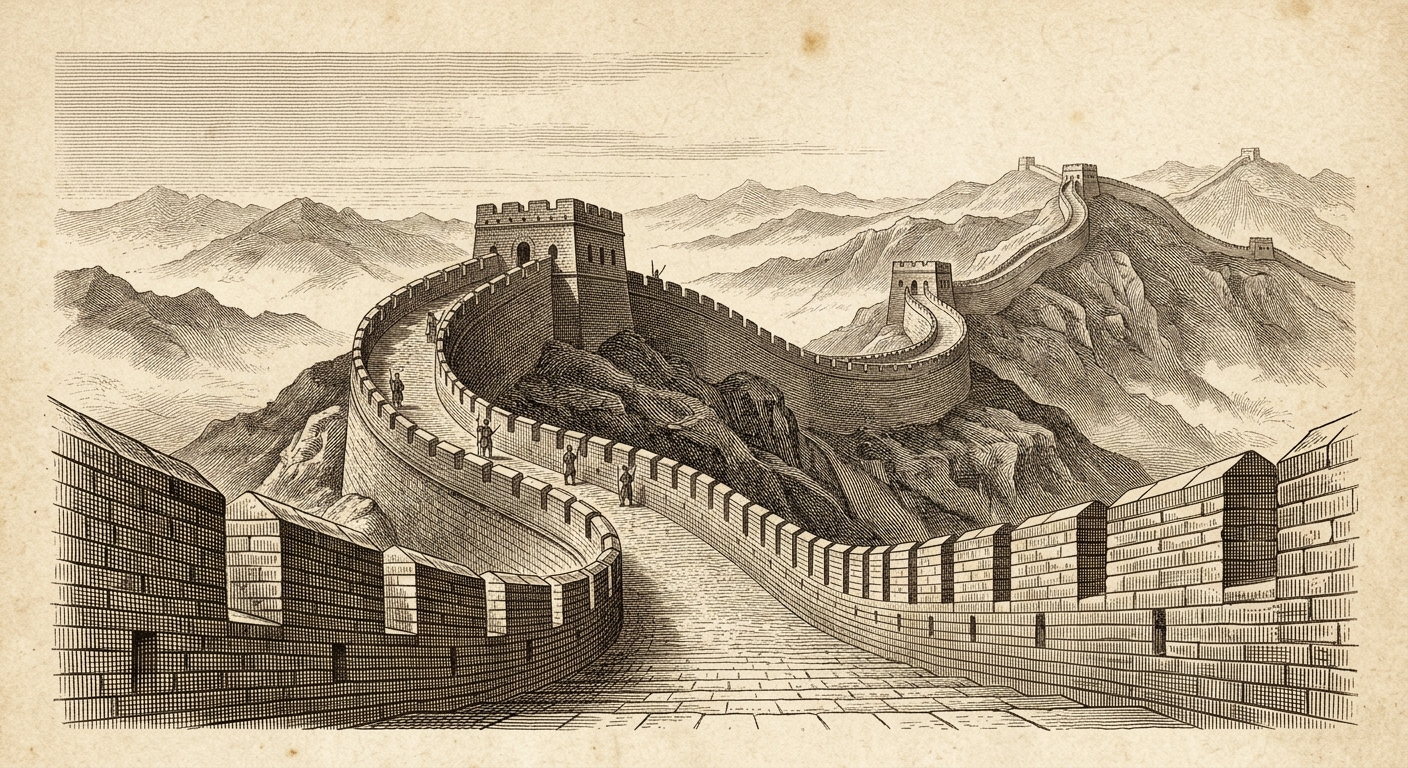 Ancient China Timeline — Ancient China produced some of history's most enduring civilizations, giving the world writing, paper, the Silk Road, and two thousand years of dynastic rule. Open →
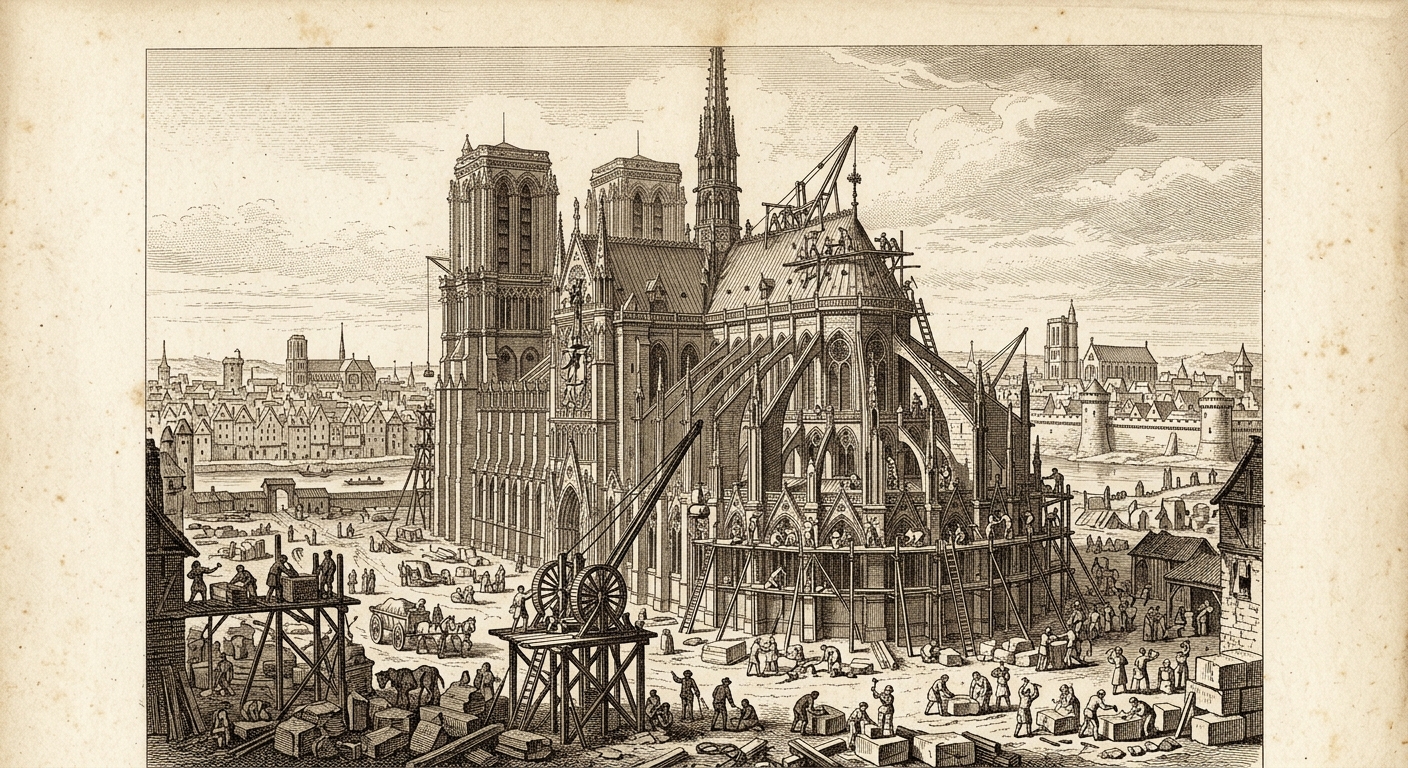 Middle Ages Timeline — The Middle Ages lasted roughly a thousand years after the fall of Rome, shaped by feudalism, the Catholic Church, crusades, and plagues — ending on the eve of the Renaissance. Open →
How to print
Choose Download PDF for a ready-to-print timeline that fits US Letter paper (8.5 × 11"). The blank fill-in version keeps the dates and gives students empty lines to write each event — great for review and quizzes.
Frequently asked questions
How did the Mongols conquer so much territory so quickly?
The Mongol military was extraordinarily effective for several reasons: they were superb horsemen who could travel faster and farther than any army of the time; they used sophisticated tactics combining cavalry, feigned retreats, and psychological warfare; they were masters of siege warfare, absorbing Chinese and Persian engineering expertise; and Genghis Khan created an unusually meritocratic military where advancement was based on ability, not birth. They also used terror strategically — cities that surrendered were often spared, while those that resisted were destroyed, giving them powerful incentives to capitulate.
Was the Mongol Empire entirely destructive?
The Mongol Empire was both deeply destructive and historically constructive — often at the same time. The conquests killed millions and destroyed major civilizations, including the Abbasid Caliphate's great center of learning at Baghdad. But the Pax Mongolica also created unprecedented stability across Eurasia, making the Silk Road safe for merchants, diplomats, and missionaries like Marco Polo. This exchange carried not just goods but also technology, art, disease, and ideas between China, the Islamic world, and Europe — contributing to the processes that eventually produced the Renaissance and the Age of Exploration.
What paper size should I print this on?
The timeline is sized for standard US Letter paper (8.5 × 11 in.). The Download PDF button gives you a print-ready file that fits the page automatically.