Printable decodable books for new readers, sorted into 6 simple levels. Pick the level that fits your child — no phonics jargon required — and print instantly. Each one is a full-color illustrated mini-book with a phonics-controlled story. Aligned with the Science of Reading.
See the full Reading Path — from first sounds to fluent reader →
Step by step from first words to fluent reading. Not sure? Peek at the guide below the levels.



All 259 books from Kindergarten through Grade 4 — a Mini-Book Edition and a Read-Aloud Edition for each level, with a reading checklist. Just need one level? Each level page has its own $14 pack. Buy once: download again any time, and new books we add are yours free. Every book is still free to print one at a time.
71 books added since October 1. Newest: October 14.
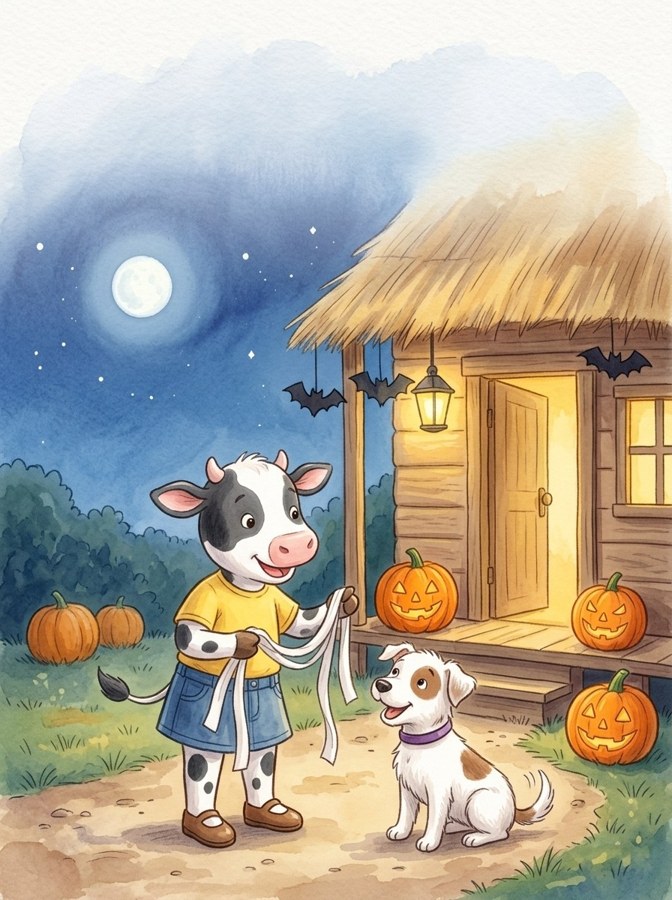 Dot Wins the Bun
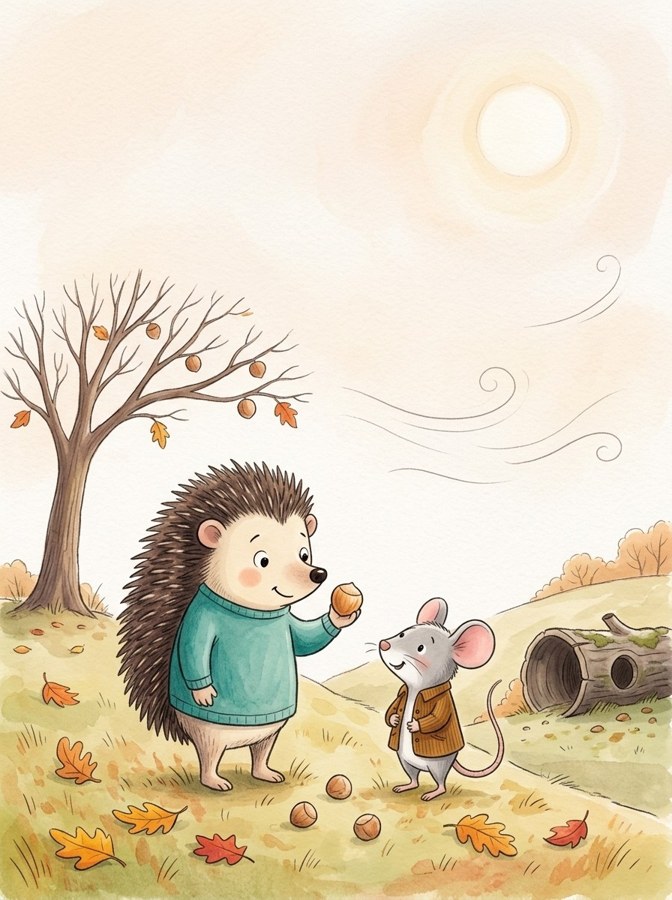 Hal's Back Full of Nuts
 Tess Finds a Spot
 Ron and the Big Bat
Len's Black Mask
Ron and the Big Bat
Len's Black Mask
 Hope's Rose Notes
Already bought a pack? These books are in it now. Open the download link in your order email and you get the latest files, new books included, plus a file of only the newer books so you do not have to print the whole set again.
| Level 1 Kindergarten · brand-new readers |
Your child knows most letter sounds and is starting to blend them into simple words like "cat" and "sit". |
| Level 2 Grade 1 · early readers |
Your child reads short CVC words confidently and is ready for two-letter sounds like "sh", "ch", and blends like "st" and "nd". |
| Level 3 Grade 1 · growing readers |
Your child reads blends and digraphs well and is learning that a silent "e" makes the vowel say its name (cake, bike). |
| Level 4 Grades 1–2 · confident readers |
Your child handles long-vowel words and is ready for vowel teams (ai, oa), r-controlled vowels (ar, ir), and diphthongs (oi, ow). |
| Level 5 Grades 2–3 · advancing readers |
Your child reads vowel-team and r-controlled words smoothly and is ready to tackle longer words like "sunset," "rabbit," and "unlock" — and to see how prefixes and suffixes change a word’s meaning. |
| Level 6 Grades 3–4 · fluent readers |
Your child reads Level 5 comfortably and is ready to tackle longer science and social studies vocabulary by breaking words into meaningful parts. |
When in doubt, start one level lower than you think — easy wins build confidence, and you can always move up.
Decodable readers (also called decodable books or decodable texts) are short stories written with phonetically controlled vocabulary for beginning readers. Unlike standard children's books that may include any words, decodable readers use only words that follow specific phonics patterns the child has already learned, plus a small set of common sight words. This means children can successfully sound out nearly every word in the story, building reading confidence and reinforcing phonics skills.
Each of our 259 free printable decodable readers is a full-color illustrated mini-book: a cover, picture pages with the story text under each illustration (4 pages for Levels 1–2, 8 for Levels 3–6), and a back page with the focus phonics words and discussion questions. Print the sheets, cut along the dashed line, and staple — your child has a real little book to hold. A read-aloud version with one large page per sheet is included for projecting to a whole class.
Our decodable texts follow a standard Science of Reading-aligned phonics scope and sequence, progressing from CVC short vowel words in kindergarten through digraphs, blends, silent E patterns, and vowel teams in 1st and 2nd grade. Each reader is tagged with its target phonics skill and suggested grade level so you can easily find the right level for your child.
For more structured phonics practice beyond the reading passages, explore our phonics worksheets which include word sorts, phrasing practice cards, and rapid naming charts for each skill. You can also practice sight word recognition with our flashcard generator, or try our tracing worksheets and handwriting worksheets for writing practice. When your child reads whole sentences with ease, move on to our reading comprehension worksheets: short passages with questions for 1st to 3rd grade.
 Printable Scholar