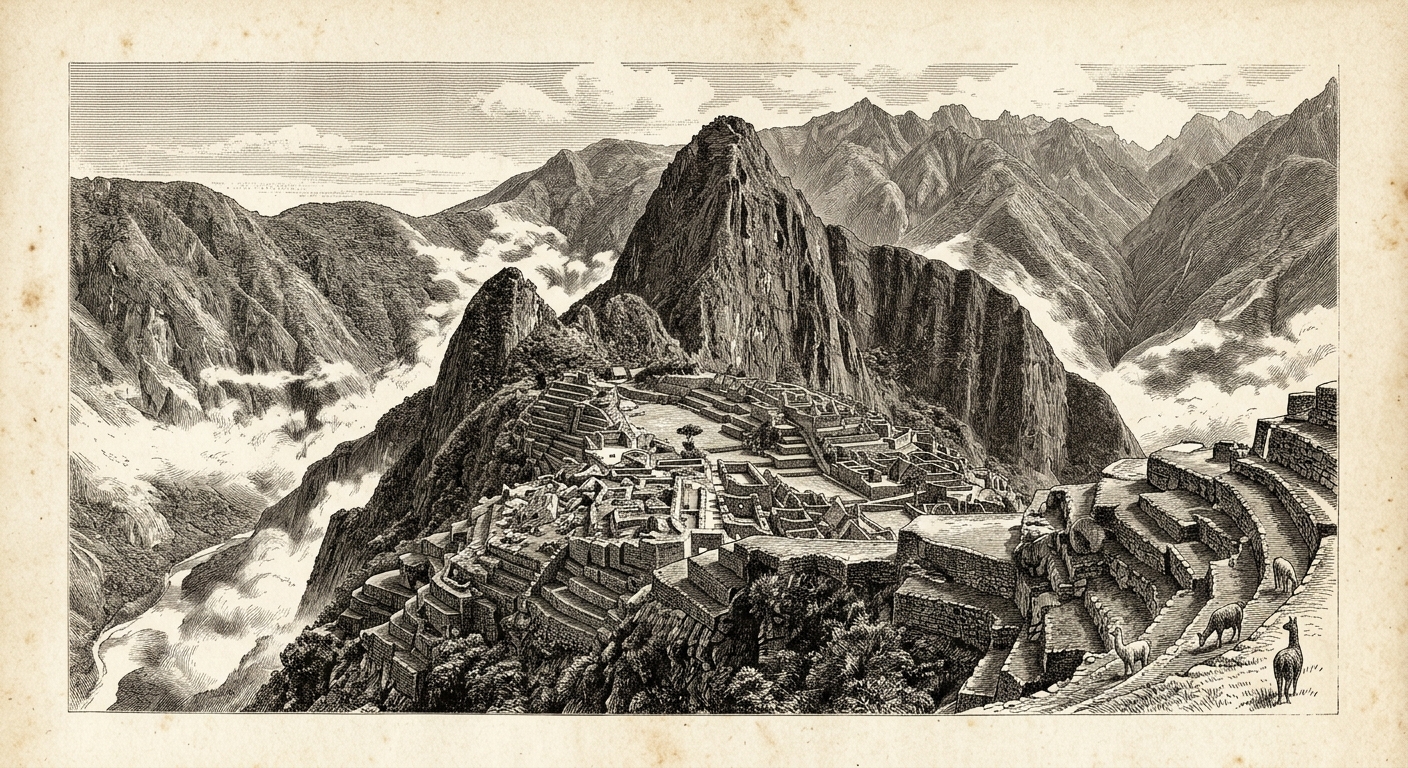
Inca Empire Timeline
The Inca Empire was the largest empire in the pre-Columbian Americas, stretching along the western coast of South America from Colombia to Chile, governed from the mountain capital of Cusco.
High in the Andes Mountains of South America, the Inca built the largest empire the Western Hemisphere had ever seen — and they did it without wheels, horses, iron tools, or writing. Using an extraordinary network of roads, rope bridges, and relay runners, they governed a territory stretching 2,500 miles from Colombia to Chile. Their architects built stone structures so precisely fitted that no mortar was needed — some still stand today after 500 years. At its height, the Inca Empire contained perhaps 12 million people. Then in 1527, smallpox arrived before the Spanish did, killing the emperor and setting off a devastating civil war. Five years later, Francisco Pizarro arrived with 168 men — and the rest is history.
- ~1400
Inca Settle in Cusco
The Inca people, according to their traditions led by the sun god Inti, establish themselves in the valley of Cusco in the Andes of present-day Peru.
Why it mattered: Cusco — meaning navel of the world in Quechua — became the sacred heart of an empire that would eventually stretch across two thousand miles of South America.
- 1438
Pachacuti Begins Conquest
Pachacuti defeats a rival invasion and transforms the Inca from a small regional chiefdom into an expansionist empire.
Why it mattered: Pachacuti is considered the true founder of the Inca Empire — he reorganized government, redesigned Cusco, began building Machu Picchu, and launched the conquests that made the Inca the dominant power in South America.
- ~1450
Machu Picchu Built
The Inca construct a royal estate and religious site at Machu Picchu, high in the Andes at nearly 8,000 feet above sea level.
Why it mattered: Machu Picchu was built without mortar, wheels, or iron tools — its perfectly fitted stone blocks, still standing today, demonstrate the extraordinary engineering mastery of Inca builders.
- ~1460
The Inca Road Network
The Inca build a road network of over 25,000 miles connecting every corner of the empire to Cusco, including rope bridges across Andean gorges.
Why it mattered: The road network was one of the engineering wonders of the ancient world — allowing armies, officials, goods, and relay runners carrying messages to move rapidly across the most difficult terrain on Earth.
- ~1470
Conquest of the Chimu
The Inca conquer the powerful Chimu Kingdom on the Pacific coast, adding millions of skilled artisans and a sophisticated irrigation system to the empire.
Why it mattered: Absorbing the Chimu gave the Inca access to advanced goldsmithing, textile weaving, and administrative knowledge that strengthened and enriched the empire.
- ~1500
Empire at Its Height
The Tawantinsuyu — the Four Quarters of the World — stretches from modern-day Colombia to central Chile, containing an estimated 10 to 12 million people.
Why it mattered: The Inca governed this vast empire with no writing — using knotted strings called quipus to record census data, tribute payments, and historical accounts.
- 1527
Smallpox and Civil War
Smallpox, spreading ahead of the Spanish, kills the Inca emperor Huayna Capac; his sons Huascar and Atahualpa fight a devastating civil war for control.
Why it mattered: The civil war killed thousands and left the empire bitterly divided — a catastrophic weakening at precisely the moment when outside threats were arriving.
- 1532
Pizarro Captures Atahualpa
Francisco Pizarro meets Atahualpa at Cajamarca with 168 soldiers and ambushes him; thousands of Inca warriors are killed and Atahualpa is captured.
Why it mattered: Pizarro's ambush — using guns, horses, and steel against warriors who had never encountered any of them — was one of the most decisive military surprises in history.
- 1533
Execution of Atahualpa
After the Inca fill a room with gold and silver as ransom, Pizarro executes Atahualpa anyway and moves to occupy the capital Cusco.
Why it mattered: With the emperor dead and the capital occupied, the Inca Empire lost its organizing center — though Inca resistance continued for decades in remote mountain strongholds.
- 1533
Fall of the Inca Empire
Spanish forces seize Cusco; the Inca Empire effectively ends, though the last Inca resistance holds out in the mountains until 1572.
Why it mattered: European diseases had already killed millions before Pizarro arrived. The combination of smallpox, civil war, and Spanish conquest destroyed one of the world's most remarkable empires in less than a decade.
Inca Empire Quiz
Check what you learned — read on screen, or use the Printable quiz button above for a worksheet version with an answer key.
Where was the Inca capital located?
- A) On the Pacific coast at a major port city
- B) High in the Andes Mountains at Cusco in present-day Peru
- C) On Lake Titicaca on the Bolivia-Peru border
- D) In the Amazon lowlands east of the mountains
Who is considered the true founder of the Inca Empire?
- A) Manco Capac, the legendary first Inca
- B) Pachacuti, who transformed the Inca from a small chiefdom into a vast empire in 1438
- C) Atahualpa, who ruled at the empire's greatest extent
- D) Huayna Capac, the emperor who died of smallpox
What was remarkable about Machu Picchu?
- A) It was the largest city in the Inca Empire with over 100,000 residents
- B) It was built without mortar, wheels, or iron tools — perfectly fitted stone blocks still stand today
- C) It was used as Pizarro's headquarters during the conquest
- D) It was the religious center where Inca emperors were buried
What were quipus?
- A) Inca military weapons made of knotted rope and stone
- B) Knotted strings used to record census data and tribute — the Inca had no writing system
- C) Inca musical instruments used in ceremonies honoring the sun god
- D) The relay runners who carried messages across the Inca road network
What weakened the Inca Empire just before the Spanish arrived?
- A) A massive earthquake destroyed the capital Cusco
- B) The Inca lost a war against a neighboring civilization
- C) Smallpox killed the emperor and a civil war divided the empire between his sons
- D) The Inca road network was destroyed by flooding
How did Pizarro capture Atahualpa in 1532?
- A) He defeated the Inca in an open battle that lasted several days
- B) He ambushed Atahualpa at Cajamarca with 168 soldiers, using guns, horses, and steel the Inca had never seen
- C) He bribed Atahualpa's generals to surrender the emperor
- D) He captured Atahualpa during a peace negotiation in Cusco
What happened after the Inca filled a room with gold and silver as ransom?
- A) Pizarro freed Atahualpa as he had promised
- B) Atahualpa escaped and organized a guerrilla resistance in the mountains
- C) Pizarro executed Atahualpa anyway and marched to seize Cusco
- D) The Spanish returned the ransom and negotiated a peace treaty
What combination of factors ended the Inca Empire?
- A) Spanish military technology alone defeated the Inca
- B) An Inca rebellion against their own government weakened them first
- C) European diseases that killed millions, an Inca civil war, and Spanish conquest together destroyed the empire
- D) A prolonged drought destroyed the Inca food supply before the Spanish arrived
Show answer key
1. B · 2. B · 3. B · 4. B · 5. C · 6. B · 7. C · 8. C
Related timelines
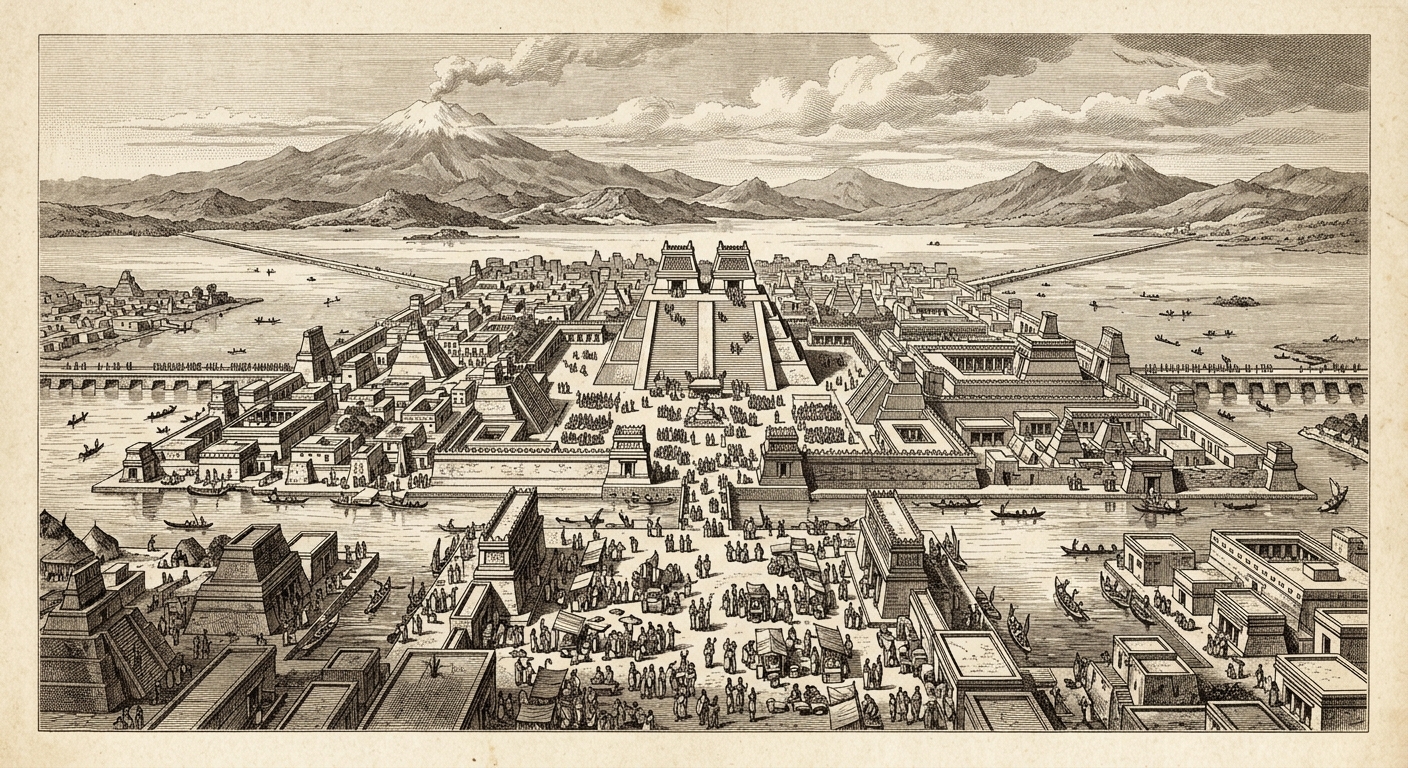 Aztec Empire Timeline — The Aztec Empire was one of the most powerful civilizations in the pre-Columbian Americas, ruling central Mexico from their island capital Tenochtitlan until the Spanish conquest in 1521. Open →
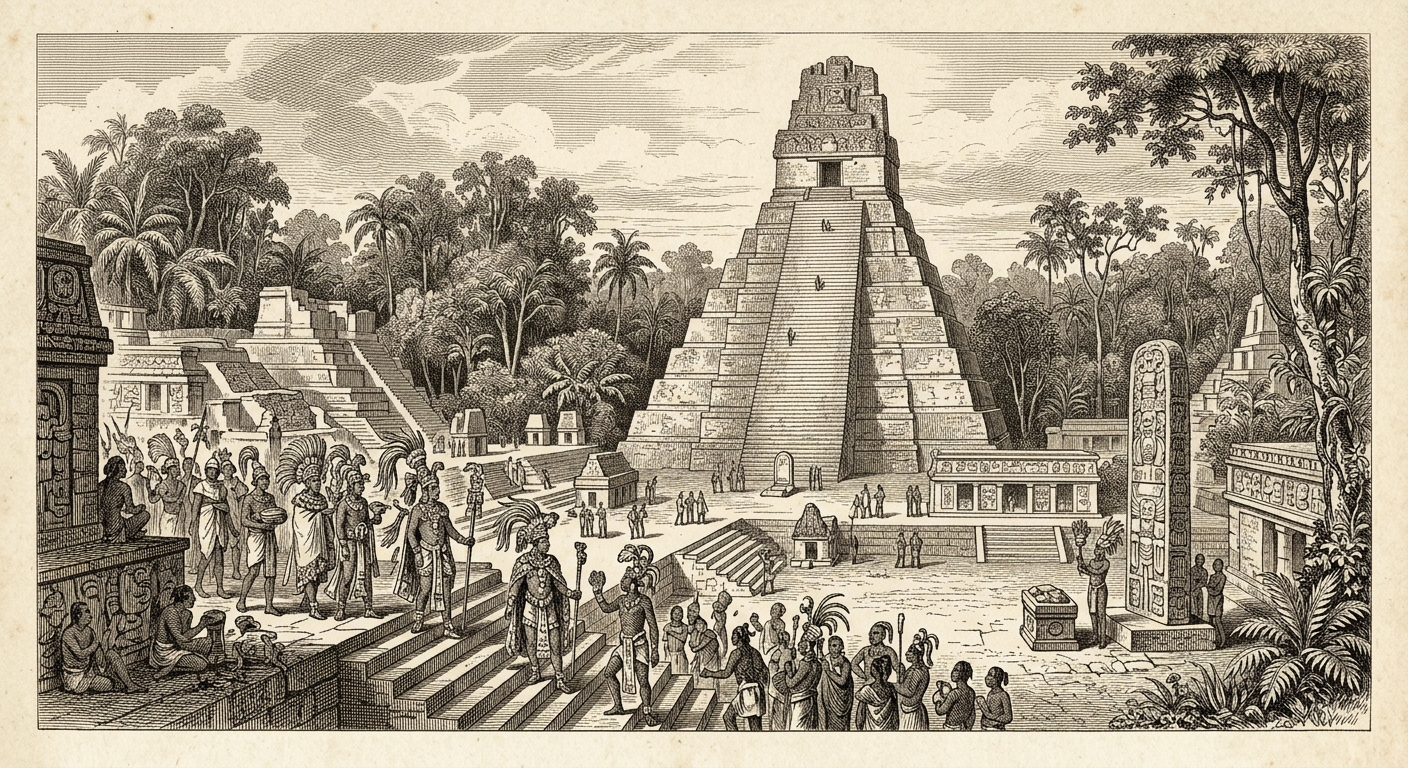 Maya Civilization Timeline — The Maya civilization was one of the most sophisticated in the ancient Americas, known for pyramid cities, a complex writing system, advanced mathematics, and an extraordinarily accurate calendar. Open →
How to print
Choose Download PDF for a ready-to-print timeline that fits US Letter paper (8.5 × 11"). The blank fill-in version keeps the dates and gives students empty lines to write each event — great for review and quizzes.
Frequently asked questions
Who were the Inca?
The Inca were the ruling people of the Tawantinsuyu — the Inca Empire — which at its height stretched 2,500 miles along the western coast of South America from modern Colombia to Chile. The empire was governed from the capital Cusco in present-day Peru and contained an estimated 10 to 12 million people. The Inca are remarkable for building a vast, sophisticated empire without writing, wheels, or iron tools.
When did the Inca Empire end?
The Inca Empire effectively ended in 1533 when Spanish forces under Francisco Pizarro executed the emperor Atahualpa and occupied Cusco. Inca resistance continued — a neo-Inca state held out in remote mountain territory until 1572 — but the empire as a political entity ended with the Spanish conquest. Crucially, European diseases had already killed millions of Inca people before Pizarro even arrived, including the emperor Huayna Capac in 1527.
What paper size should I print this on?
The timeline is sized for standard US Letter paper (8.5 × 11 in.). The Download PDF button gives you a print-ready file that fits the page automatically.