 Printable Scholar
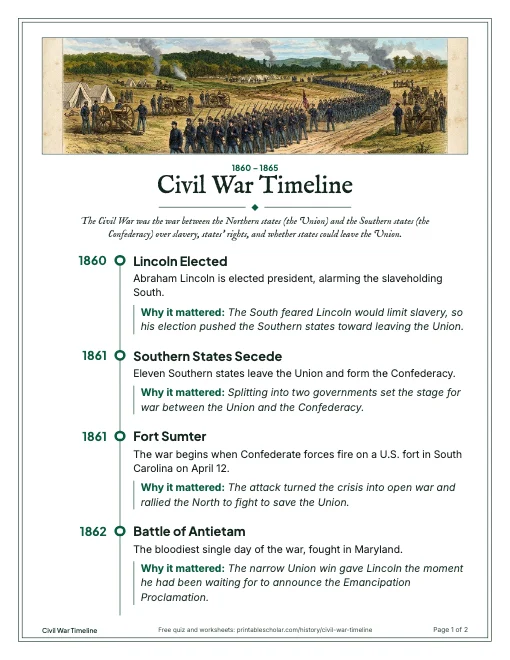
Civil War Timeline
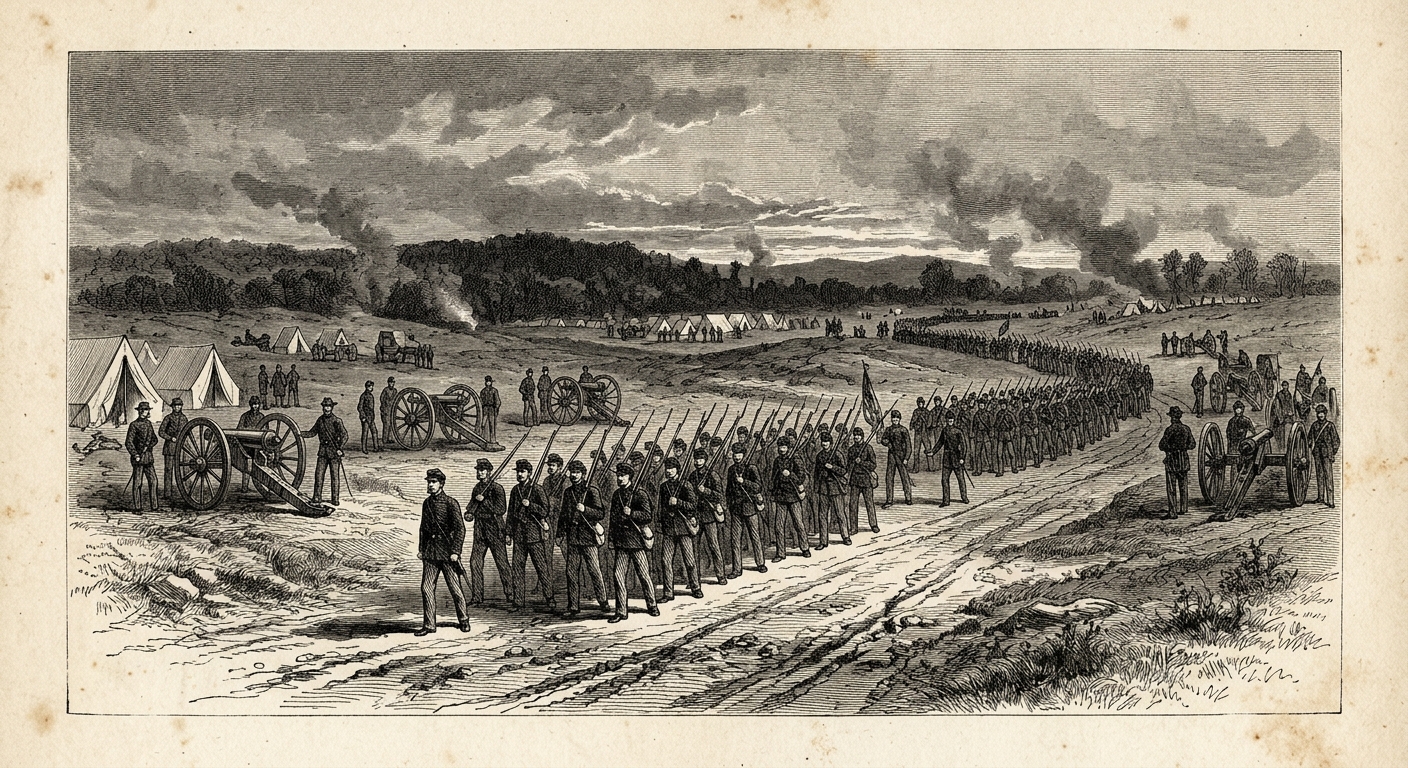
The Civil War was the war between the Northern states (the Union) and the Southern states (the Confederacy) over slavery, states’ rights, and whether states could leave the Union.
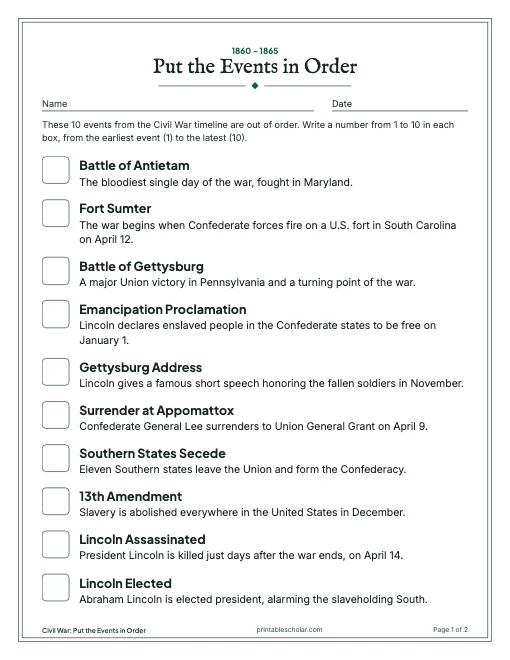
Put the Events in Order
The events shuffled, to number from first to last. With answer key.
Download PDF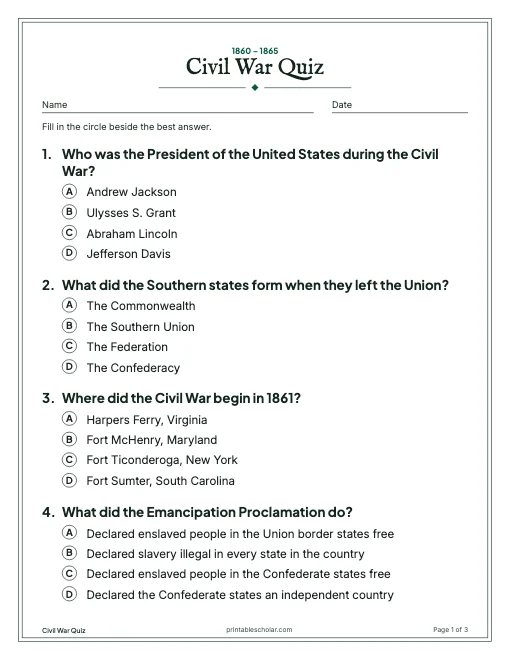
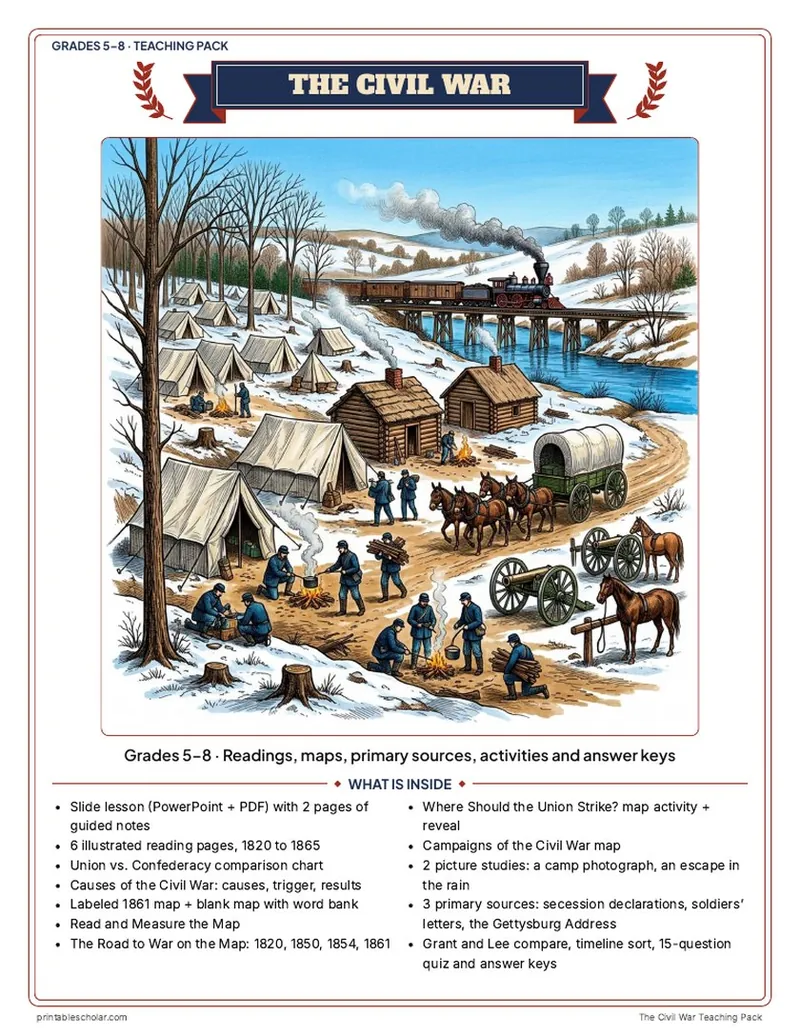
Civil War Teaching Pack
A two-week unit with lesson slides, readings, maps and answer keys.
The Civil War was the deadliest war in American history, and it split the country in two. For years the North and South had grown apart over deep disagreements — including slavery, states’ rights, and their very different economies and ways of life. When Abraham Lincoln was elected in 1860, eleven Southern states left the Union and formed the Confederacy, and the two sides went to war. Read the events in order and you can see how a divided nation fought for four long years and was finally put back together.
- 1860
Lincoln Elected
Abraham Lincoln is elected president, alarming the slaveholding South.
Why it mattered: The South feared Lincoln would limit slavery, so his election pushed the Southern states toward leaving the Union.
- 1861
Southern States Secede
Eleven Southern states leave the Union and form the Confederacy.
Why it mattered: Splitting into two governments set the stage for war between the Union and the Confederacy.
- 1861
Fort Sumter
The war begins when Confederate forces fire on a U.S. fort in South Carolina on April 12.
Why it mattered: The attack turned the crisis into open war and rallied the North to fight to save the Union.
- 1862
Battle of Antietam
The bloodiest single day of the war, fought in Maryland.
Why it mattered: The narrow Union win gave Lincoln the moment he had been waiting for to announce the Emancipation Proclamation.
- 1863
Emancipation Proclamation
Lincoln declares enslaved people in the Confederate states to be free on January 1.
Why it mattered: It changed the war into a fight to end slavery and allowed Black soldiers to join the Union army.
- 1863
Battle of Gettysburg
A major Union victory in Pennsylvania and a turning point of the war.
Why it mattered: It stopped the South’s invasion of the North and shifted the momentum of the war to the Union.
- 1863
Gettysburg Address
Lincoln gives a famous short speech honoring the fallen soldiers in November.
Why it mattered: In just a few sentences, Lincoln reminded the country the war was about freedom and keeping the nation whole.
- 1865
Surrender at Appomattox
Confederate General Lee surrenders to Union General Grant on April 9.
Why it mattered: Lee’s surrender effectively ended the fighting and the Confederacy.
- 1865
Lincoln Assassinated
President Lincoln is killed just days after the war ends, on April 14.
Why it mattered: The nation lost its leader right as the hard work of rebuilding the South was beginning.
- 1865
13th Amendment
Slavery is abolished everywhere in the United States in December.
Why it mattered: It made the war’s biggest change permanent, ending slavery across the whole country.
Civil War Quiz
Check what you learned — read on screen, or download the Quiz with Answer Key above for a worksheet version.
Who was the President of the United States during the Civil War?
- A) Andrew Jackson
- B) Ulysses S. Grant
- C) Abraham Lincoln
- D) Jefferson Davis
What did the Southern states form when they left the Union?
- A) The Commonwealth
- B) The Southern Union
- C) The Federation
- D) The Confederacy
Where did the Civil War begin in 1861?
- A) Harpers Ferry, Virginia
- B) Fort McHenry, Maryland
- C) Fort Ticonderoga, New York
- D) Fort Sumter, South Carolina
What did the Emancipation Proclamation do?
- A) Declared enslaved people in the Union border states free
- B) Declared slavery illegal in every state in the country
- C) Declared enslaved people in the Confederate states free
- D) Declared the Confederate states an independent country
Which 1863 battle was a turning point of the war?
- A) Antietam
- B) Gettysburg
- C) Fredericksburg
- D) Bull Run
Who surrendered at Appomattox in 1865?
- A) Confederate General Lee
- B) Union General Grant
- C) Union General Sherman
- D) Confederate General Jackson
What happened to President Lincoln in April 1865?
- A) He was impeached
- B) He was assassinated
- C) He was taken prisoner
- D) He was voted out
What did the 13th Amendment do?
- A) Abolished slavery everywhere in the United States
- B) Abolished slavery only in the former Confederate states
- C) Made formerly enslaved people citizens of the United States
- D) Gave Black men the right to vote in the United States
Show answer key
1. C · 2. D · 3. D · 4. C · 5. B · 6. A · 7. B · 8. A
See it on the map
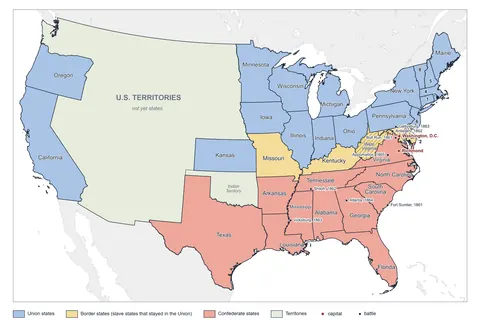 Pair this timeline with our printable The Civil War map — real historical geography, drawn in an antique style. Open the map →
Related timelines
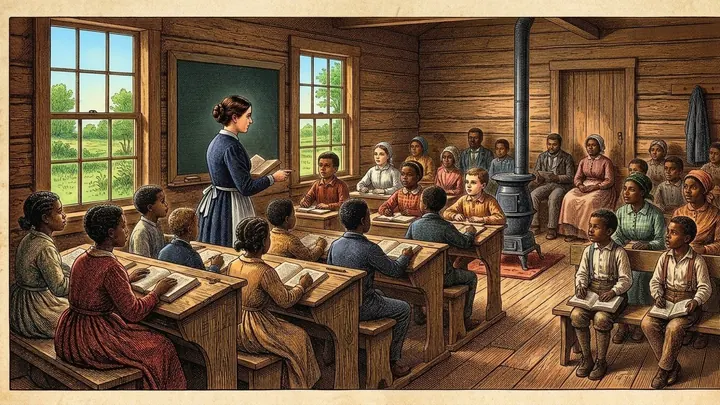 Reconstruction Era Timeline — Reconstruction was the period after the Civil War when the federal government worked to reunite the nation and define the rights of formerly enslaved Black Americans. Open →
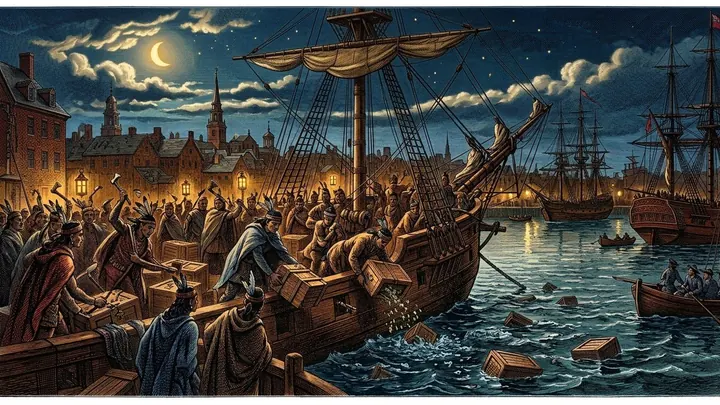 American Revolution Timeline — The American Revolution was the war in which the thirteen colonies broke away from Great Britain and became the United States. Open →
For younger students
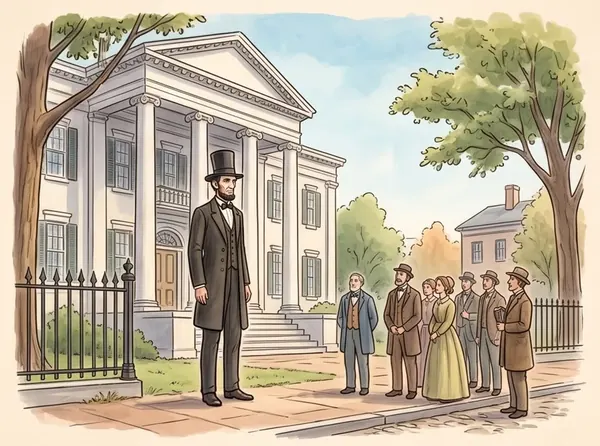 Abraham Lincoln Timeline for Kids — 7 short events with a picture for each, written for grades 2–4. Open →
How to print
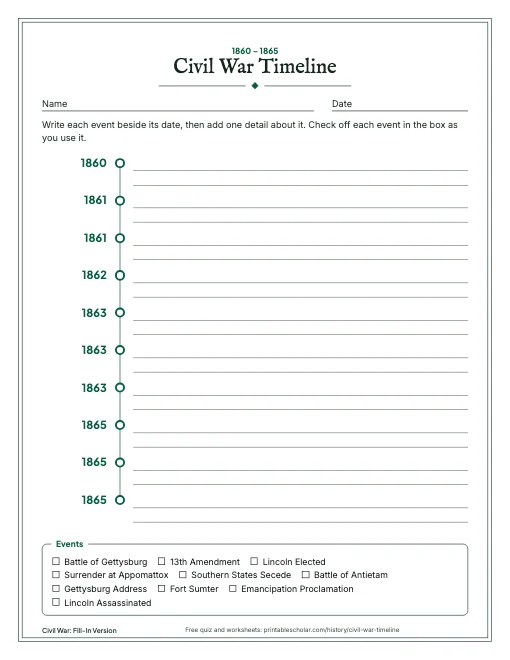
Every sheet above is a ready-to-print PDF sized for US Letter paper (8.5 × 11"). The fill-in version keeps the dates and gives students lines to write each event, with the events listed at the bottom to place — good for review. The ordering activity and the quiz each end with an answer key.
Frequently asked questions
When was the Civil War?
The Civil War was fought from 1861 to 1865, beginning with the attack on Fort Sumter and ending with the Confederate surrender at Appomattox.
What was the Civil War about?
The main causes were slavery and disagreements over whether individual states could leave the Union. The Union fought to keep the country together and, increasingly, to end slavery.
What paper size should I print this on?
The timeline is sized for standard US Letter paper (8.5 × 11"). Use “Download PDF” for a print-ready file that fits the page automatically.