American Revolution Timeline
The American Revolution was the war in which the thirteen colonies broke away from Great Britain and became the United States.
The American Revolution didn’t happen overnight. It grew, step by step, out of a single question: could Britain tax and govern the colonies without giving them a voice? Each event on this timeline pushed the colonies a little further from Britain — from angry protests over taxes, to the first shots at Lexington, to a formal Declaration of Independence, and finally to victory at Yorktown. Read the events in order and you can watch a tax dispute turn into a war for a new nation.
- 1765
Stamp Act
Britain taxes the colonies on printed paper, sparking the cry “no taxation without representation.”
Why it mattered: The first time the colonies organized together against a British tax — planting the idea that they shared a common cause.
- 1770
Boston Massacre
British soldiers fire on a crowd in Boston, killing five colonists.
Why it mattered: Colonial leaders used the deaths as powerful propaganda to turn public opinion against Britain.
- 1773
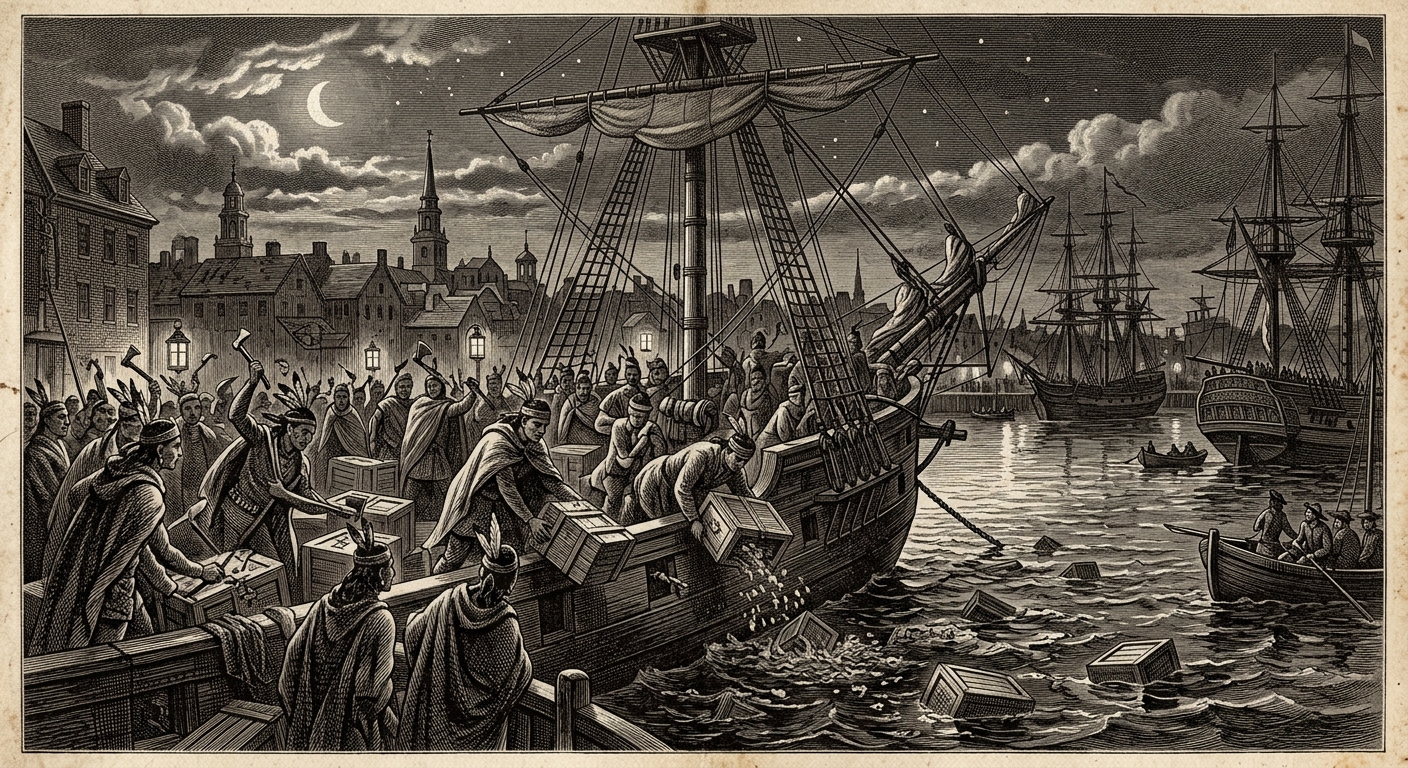
Boston Tea Party
Colonists dump British tea into Boston Harbor to protest the tea tax.
Why it mattered: Britain struck back with the harsh “Intolerable Acts,” which pushed the colonies to unite in the First Continental Congress.
- 1775
Lexington and Concord
The first shots of the war are fired in Massachusetts — “the shot heard round the world.”
Why it mattered: Once shots were fired, the argument became a war — there was no turning back.
- 1776
Declaration of Independence
The colonies declare themselves free from Britain on July 4.
Why it mattered: It turned a rebellion into a fight for a new nation, and named the ideas — liberty and equality — the country would be built on.
- 1776
Washington Crosses the Delaware
A surprise Christmas-night attack wins the Battle of Trenton.
Why it mattered: The surprise victory revived a failing army and kept the Revolution alive through a desperate winter.
- 1777
Battle of Saratoga
An American victory that convinces France to join the war.
Why it mattered: It brought France in as an ally, adding the money, troops, and navy the colonists badly needed.
- 1778
Valley Forge
Washington’s army survives a brutal winter and trains into a stronger force.
Why it mattered: The army that marched out in spring was better trained and tougher — changing how the war was fought.
- 1781
Battle of Yorktown
The British army surrenders, effectively ending the fighting.
Why it mattered: With their army trapped and surrendered, the British lost the will to keep fighting.
- 1783
Treaty of Paris
Britain officially recognizes the United States as an independent nation.
Why it mattered: Britain’s signature made independence official and set the borders of the new country.
American Revolution Quiz
Check what you learned — read on screen, or use the Printable quiz button above for a worksheet version with an answer key.
What did colonists mean by “no taxation without representation”?
- A) Taxes should always be lower
- B) They should not be taxed by a government they had no vote in
- C) Only farmers should pay taxes
- D) Britain should tax France instead
What did colonists do at the Boston Tea Party in 1773?
- A) Refused to drink any tea
- B) Threw British tea into Boston Harbor to protest a tax
- C) Held a tea party for the king
- D) Burned down a tea shop
Where were the first shots of the Revolution fired?
- A) New York City
- B) Philadelphia
- C) Lexington and Concord, Massachusetts
- D) Yorktown, Virginia
On what date was the Declaration of Independence adopted?
- A) July 4, 1776
- B) December 25, 1776
- C) March 5, 1770
- D) September 3, 1783
Which American victory helped convince France to join the war?
- A) The Boston Massacre
- B) Valley Forge
- C) The Battle of Saratoga
- D) The Stamp Act
Why was the winter at Valley Forge important?
- A) The war ended there
- B) Washington’s army trained and grew stronger
- C) France surrendered
- D) It was where the tea was dumped
What happened at the Battle of Yorktown in 1781?
- A) The war began
- B) The British army surrendered, ending most of the fighting
- C) The Declaration was signed
- D) Boston was captured
What did the Treaty of Paris of 1783 do?
- A) Started the Revolution
- B) Taxed the colonies again
- C) Recognized the United States as an independent nation
- D) Gave Canada to France
Show answer key
1. B · 2. B · 3. C · 4. A · 5. C · 6. B · 7. B · 8. C
See it on the map
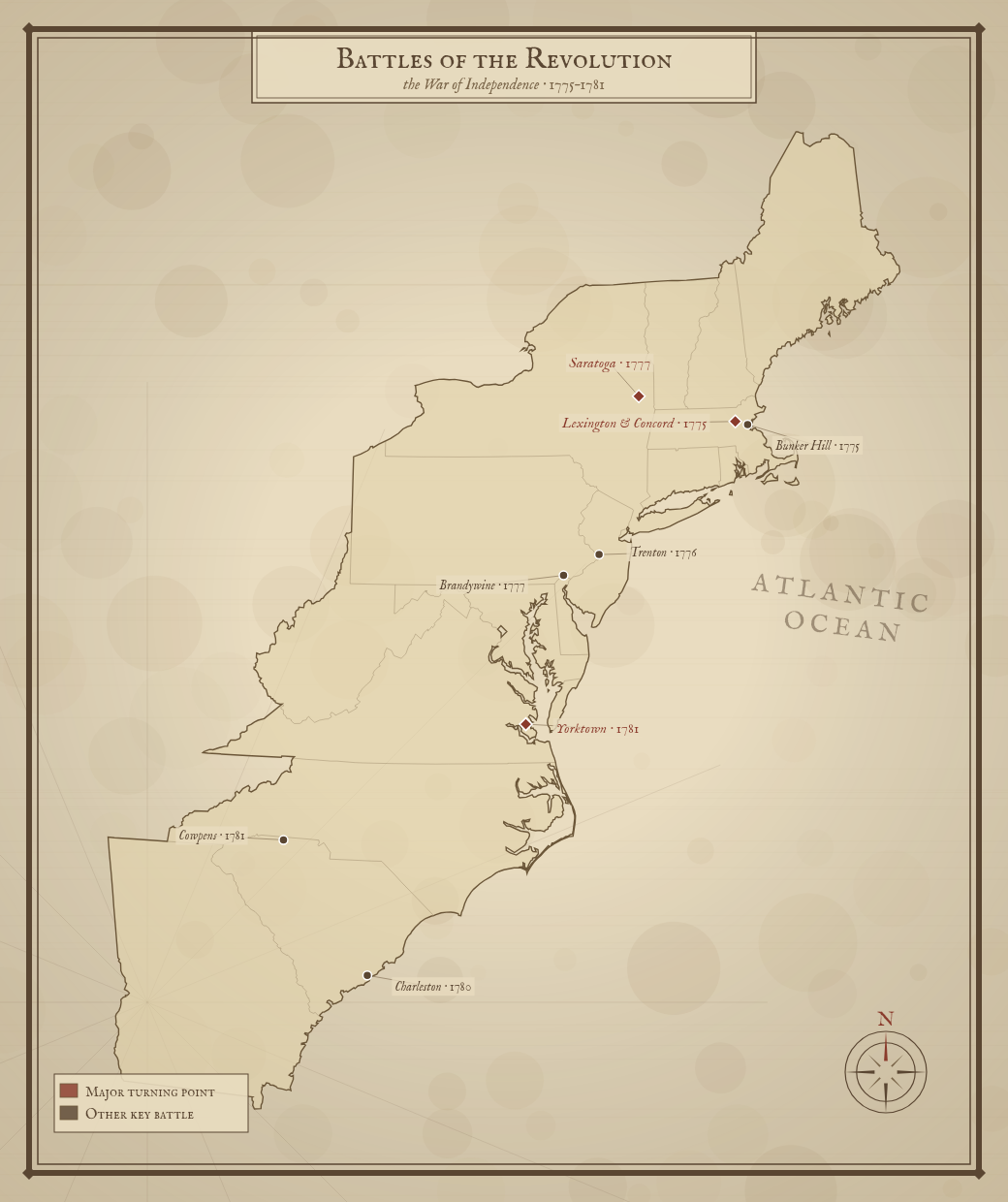 Pair this timeline with our printable Revolutionary War Battles map — real historical geography, drawn in an antique style. Open the map →
Related timelines
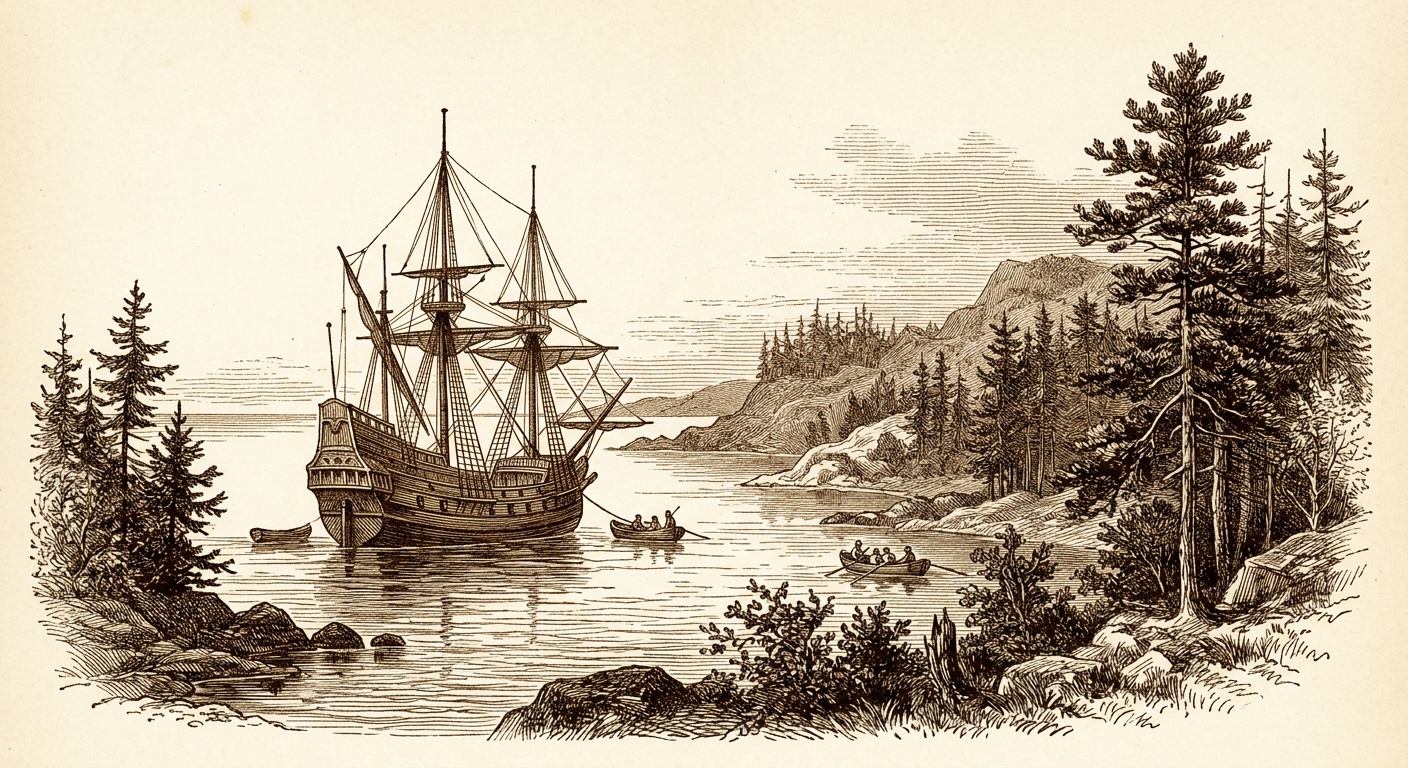 Colonial America Timeline — Colonial America is the period when European settlers built the thirteen colonies that would later become the United States. Open →
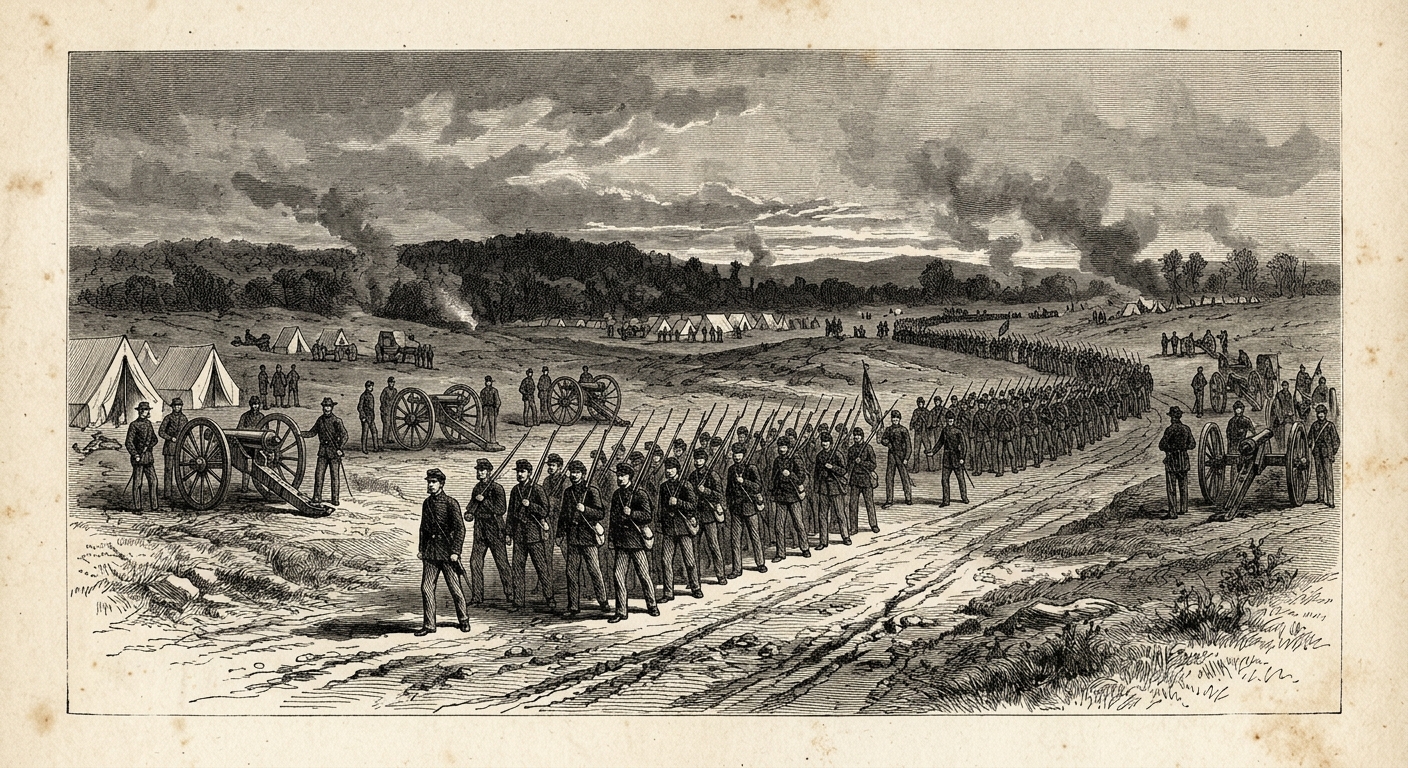 Civil War Timeline — The Civil War was the war between the Northern states (the Union) and the Southern states (the Confederacy) over slavery, states’ rights, and whether states could leave the Union. Open →
How to print
Choose Download PDF for a ready-to-print timeline that fits US Letter paper (8.5 × 11"). The blank fill-in version keeps the dates and gives students empty lines to write each event — great for review and quizzes.
Frequently asked questions
When did the American Revolution start and end?
The fighting began in 1775 at Lexington and Concord and ended in 1783 with the Treaty of Paris, though tensions built for years before with taxes like the Stamp Act.
Why did the American Revolution happen?
The colonists were angry about being taxed by Britain without having representation in the British Parliament, and about laws they felt were unfair.
What paper size should I print this on?
The timeline is sized for standard US Letter paper (8.5 × 11"). Use “Download PDF” for a print-ready file that fits the page automatically.