 Printable Scholar
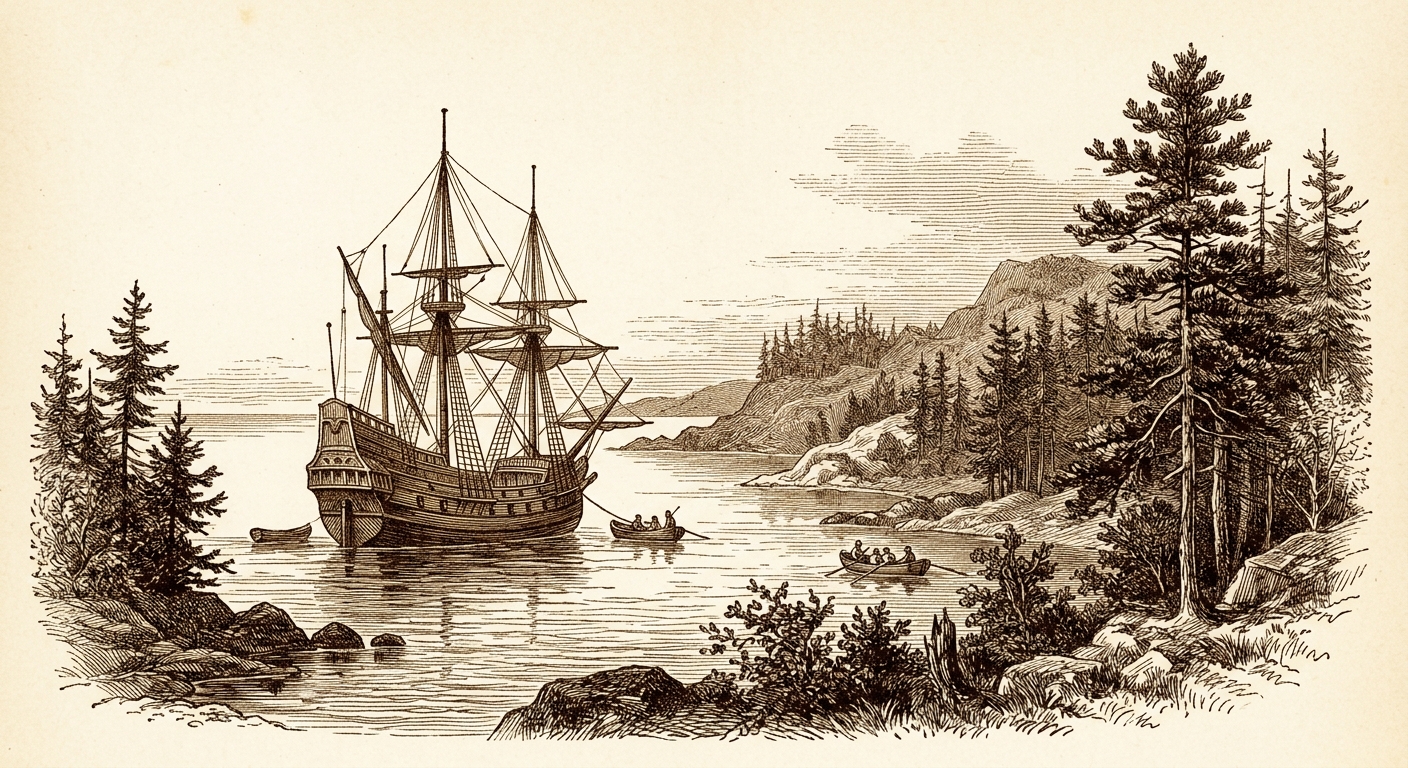
Colonial America Timeline
Colonial America is the period when European settlers built the thirteen colonies that would later become the United States.
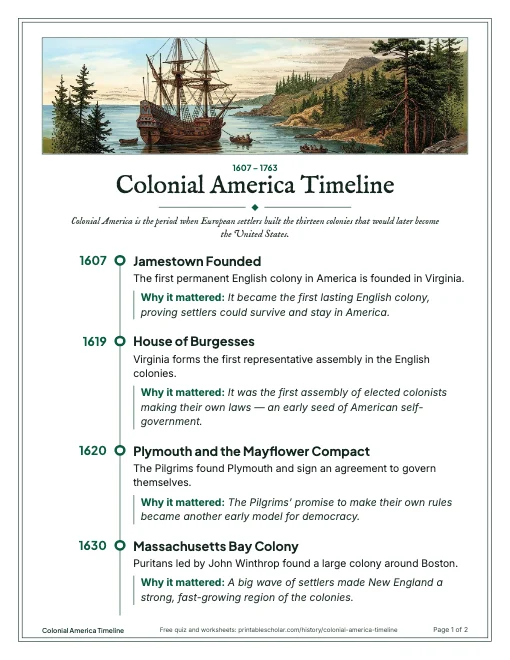
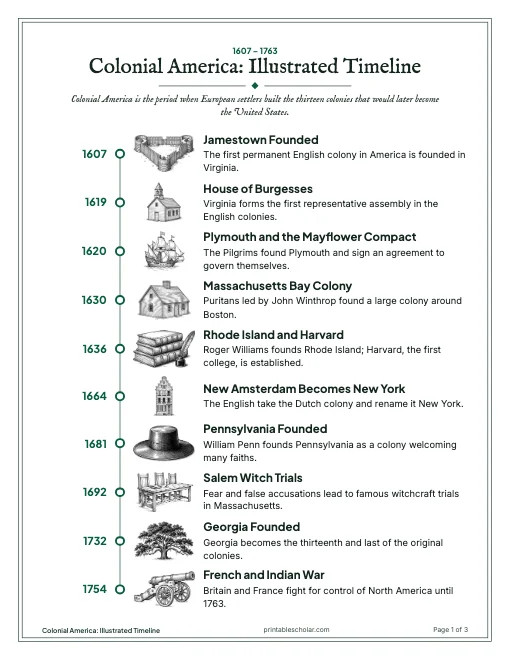
Illustrated Timeline
A picture for every event, and picture cards to cut out and put in order. With answer key.
Download PDF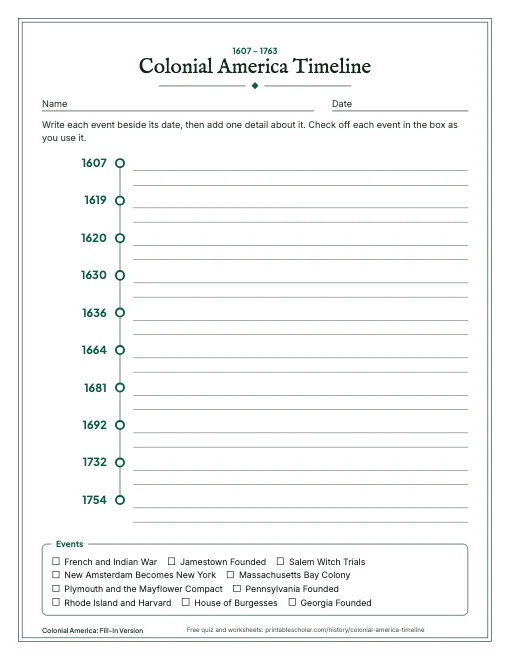
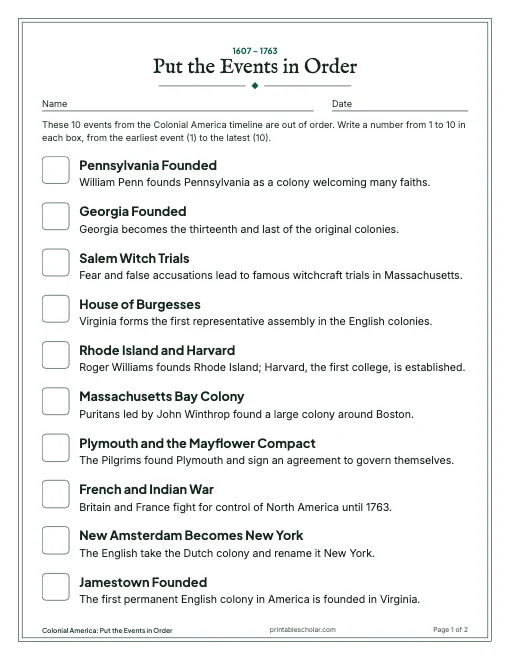
Put the Events in Order
The events shuffled, to number from first to last. With answer key.
Download PDF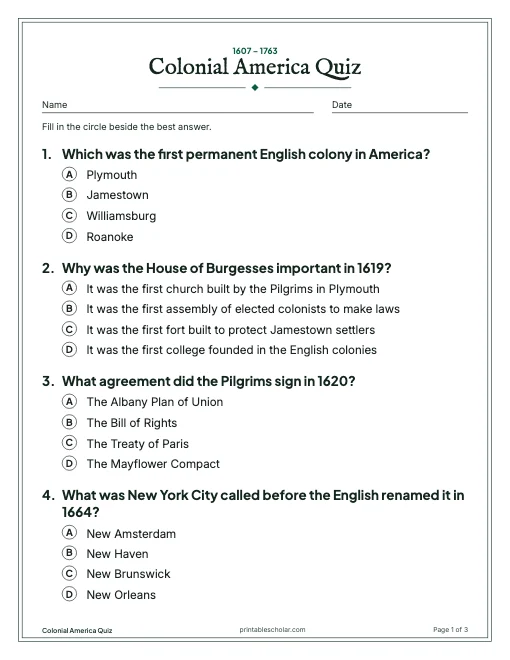
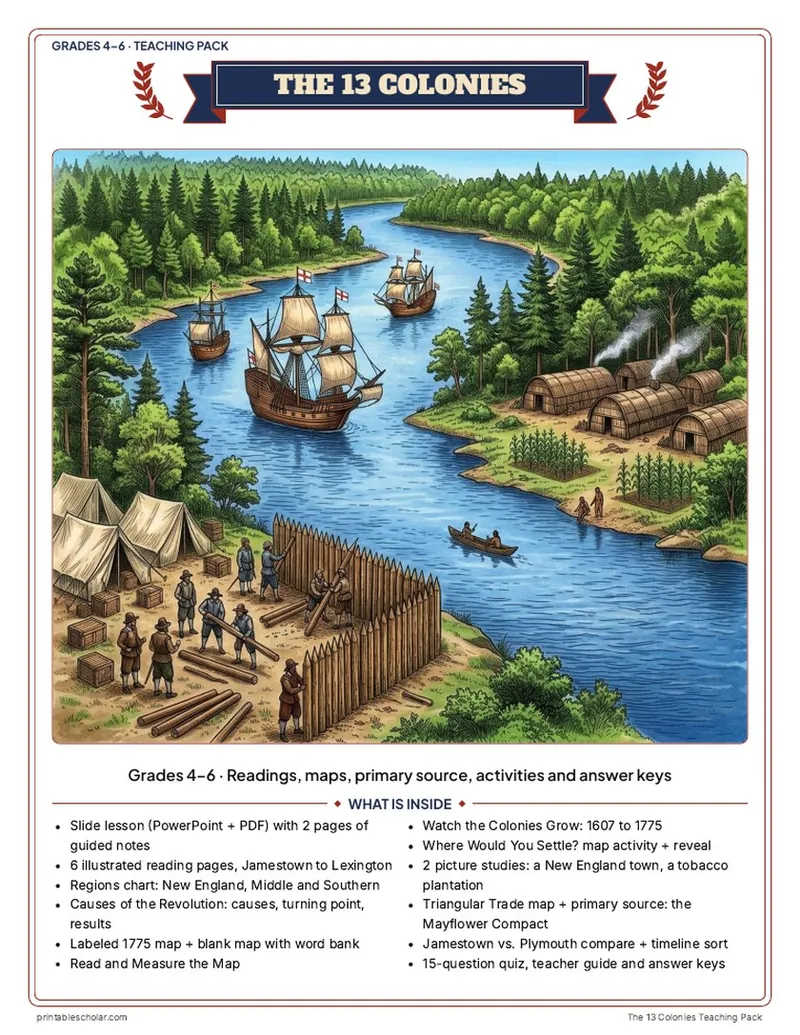
13 Colonies Teaching Pack
A two-week unit with lesson slides, readings, maps and answer keys.
Long before there was a United States, Europeans crossed the ocean and built the thirteen colonies along the Atlantic coast. Over about 150 years, small, struggling settlements grew into busy colonies with their own towns, farms, schools, and ways of governing themselves. This timeline follows that growth from the first colony at Jamestown to the eve of the Revolution — the slow build-up of the places, people, and ideas that would one day become America.
- 1607
Jamestown Founded
The first permanent English colony in America is founded in Virginia.
Why it mattered: It became the first lasting English colony, proving settlers could survive and stay in America.
- 1619
House of Burgesses
Virginia forms the first representative assembly in the English colonies.
Why it mattered: It was the first assembly of elected colonists making their own laws — an early seed of American self-government.
- 1620
Plymouth and the Mayflower Compact
The Pilgrims found Plymouth and sign an agreement to govern themselves.
Why it mattered: The Pilgrims’ promise to make their own rules became another early model for democracy.
- 1630
Massachusetts Bay Colony
Puritans led by John Winthrop found a large colony around Boston.
Why it mattered: A big wave of settlers made New England a strong, fast-growing region of the colonies.
- 1636
Rhode Island and Harvard
Roger Williams founds Rhode Island; Harvard, the first college, is established.
Why it mattered: Rhode Island welcomed people of different beliefs, and Harvard began educating colonial leaders.
- 1664
New Amsterdam Becomes New York
The English take the Dutch colony and rename it New York.
Why it mattered: Taking the busy Dutch port linked England’s colonies in one stretch down the whole coast.
- 1681
Pennsylvania Founded
William Penn founds Pennsylvania as a colony welcoming many faiths.
Why it mattered: Penn’s colony became a model of religious tolerance that drew settlers from across Europe.
- 1692
Salem Witch Trials
Fear and false accusations lead to famous witchcraft trials in Massachusetts.
Why it mattered: The trials showed how fear and false accusations could spin dangerously out of control.
- 1732
Georgia Founded
Georgia becomes the thirteenth and last of the original colonies.
Why it mattered: With Georgia, all thirteen colonies that would one day unite as the United States now existed.
- 1754
French and Indian War
Britain and France fight for control of North America until 1763.
Why it mattered: Britain’s costly victory led it to tax the colonies — sparking the anger that grew into the Revolution.
Colonial America Quiz
Check what you learned — read on screen, or download the Quiz with Answer Key above for a worksheet version.
Which was the first permanent English colony in America?
- A) Plymouth
- B) Jamestown
- C) Williamsburg
- D) Roanoke
Why was the House of Burgesses important in 1619?
- A) It was the first church built by the Pilgrims in Plymouth
- B) It was the first assembly of elected colonists to make laws
- C) It was the first fort built to protect Jamestown settlers
- D) It was the first college founded in the English colonies
What agreement did the Pilgrims sign in 1620?
- A) The Albany Plan of Union
- B) The Bill of Rights
- C) The Treaty of Paris
- D) The Mayflower Compact
What was New York City called before the English renamed it in 1664?
- A) New Amsterdam
- B) New Haven
- C) New Brunswick
- D) New Orleans
Who founded Pennsylvania?
- A) Roger Williams
- B) John Winthrop
- C) James Oglethorpe
- D) William Penn
What were the Salem witch trials of 1692?
- A) Trials where fear and false accusations led to executions
- B) Trials where colonists were charged with refusing to pay taxes
- C) Trials where Puritan leaders were charged with treason
- D) Trials where British soldiers were charged with killing colonists
Which colony, founded in 1732, was the last of the thirteen?
- A) Delaware
- B) Virginia
- C) Georgia
- D) Maryland
What did the French and Indian War lead to?
- A) A lasting alliance between Britain and France
- B) New French colonies along the Atlantic coast
- C) New British taxes that angered the colonies
- D) French control of land east of the Mississippi
Show answer key
1. B · 2. B · 3. D · 4. A · 5. D · 6. A · 7. C · 8. C
See it on the map
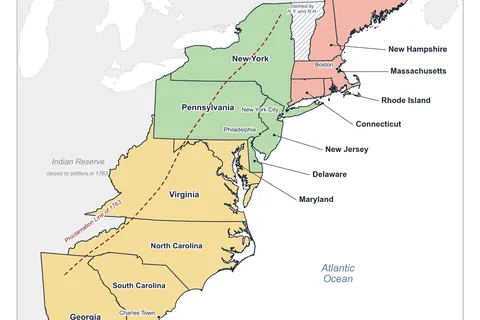 Pair this timeline with our printable The Thirteen Colonies map — real historical geography, drawn in an antique style. Open the map →
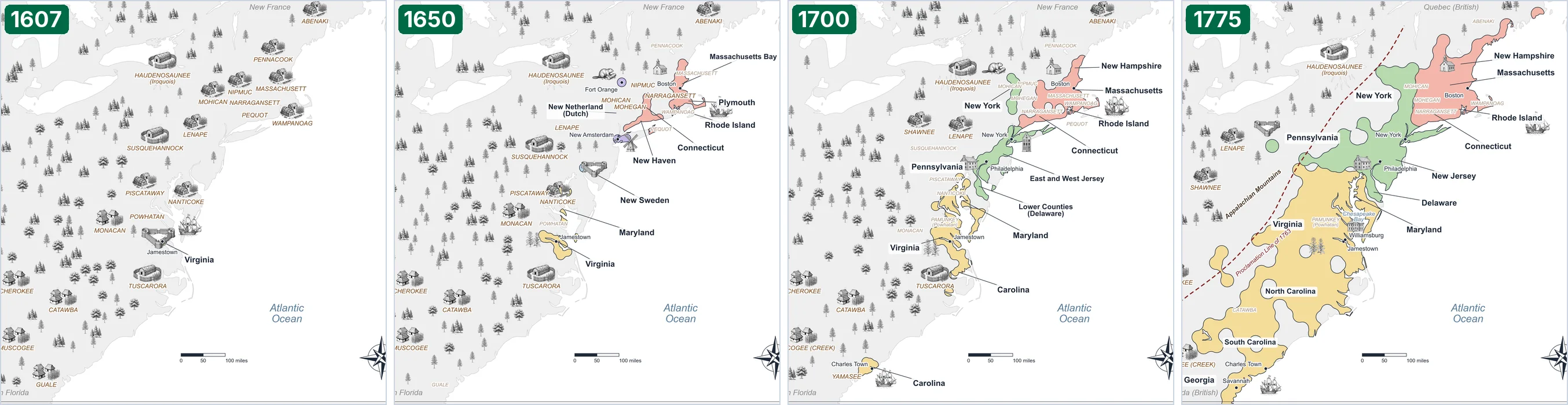 Watch the colonies grow: four maps from 1607 to 1775, with the Native nations where they lived. Free to print. Open the maps →
Related timelines
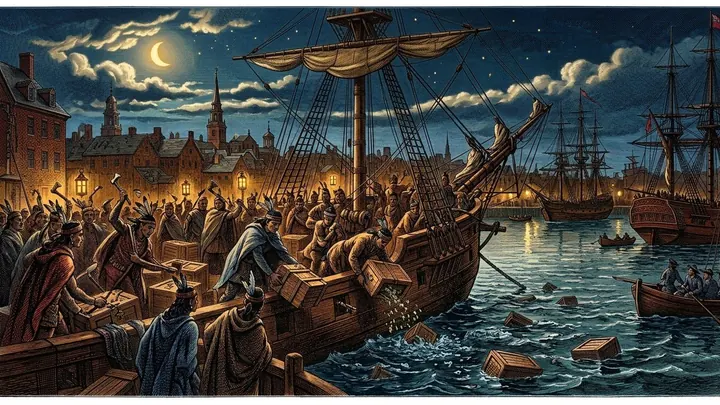 American Revolution Timeline — The American Revolution was the war in which the thirteen colonies broke away from Great Britain and became the United States. Open →
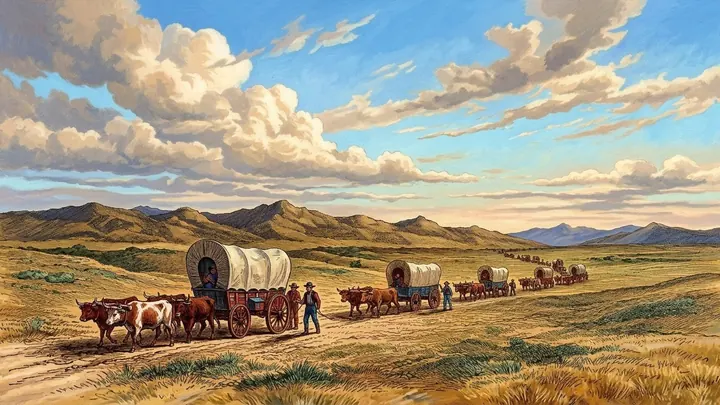 Westward Expansion Timeline — Westward expansion is the period when the United States grew across the continent, as settlers, trails, and railroads pushed toward the Pacific. Open →
For younger students
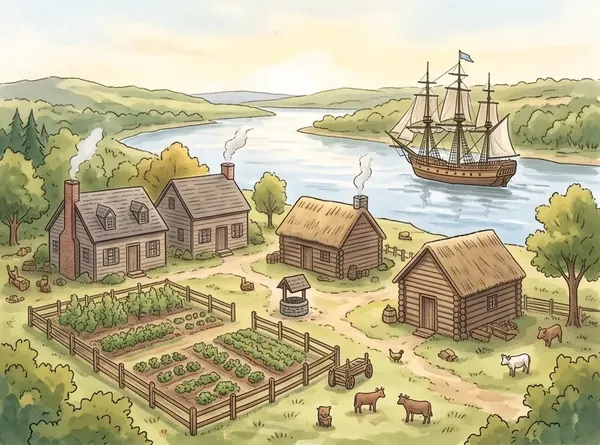 Colonial America Timeline for Kids — 7 short events with a picture for each, written for grades 2–4. Open →
 The First Thanksgiving Timeline for Kids — 7 short events with a picture for each, written for grades 2–4. Open →
How to print
Every sheet above is a ready-to-print PDF sized for US Letter paper (8.5 × 11"). The fill-in version keeps the dates and gives students lines to write each event, with the events listed at the bottom to place — good for review. The ordering activity and the quiz each end with an answer key. The illustrated timeline gives every event a picture, then has picture cards to cut out and put in order, with their own answer key.
Frequently asked questions
What were the thirteen colonies?
They were the thirteen British colonies along the Atlantic coast — including Virginia, Massachusetts, Pennsylvania, and Georgia — that later united to become the first United States.
Which was the first and last colony?
Virginia (Jamestown, 1607) was the first permanent English colony, and Georgia (1732) was the last of the thirteen to be founded.
What paper size should I print this on?
The timeline is sized for standard US Letter paper (8.5 × 11"). Use “Download PDF” for a print-ready file that fits the page automatically.