Westward Expansion Timeline
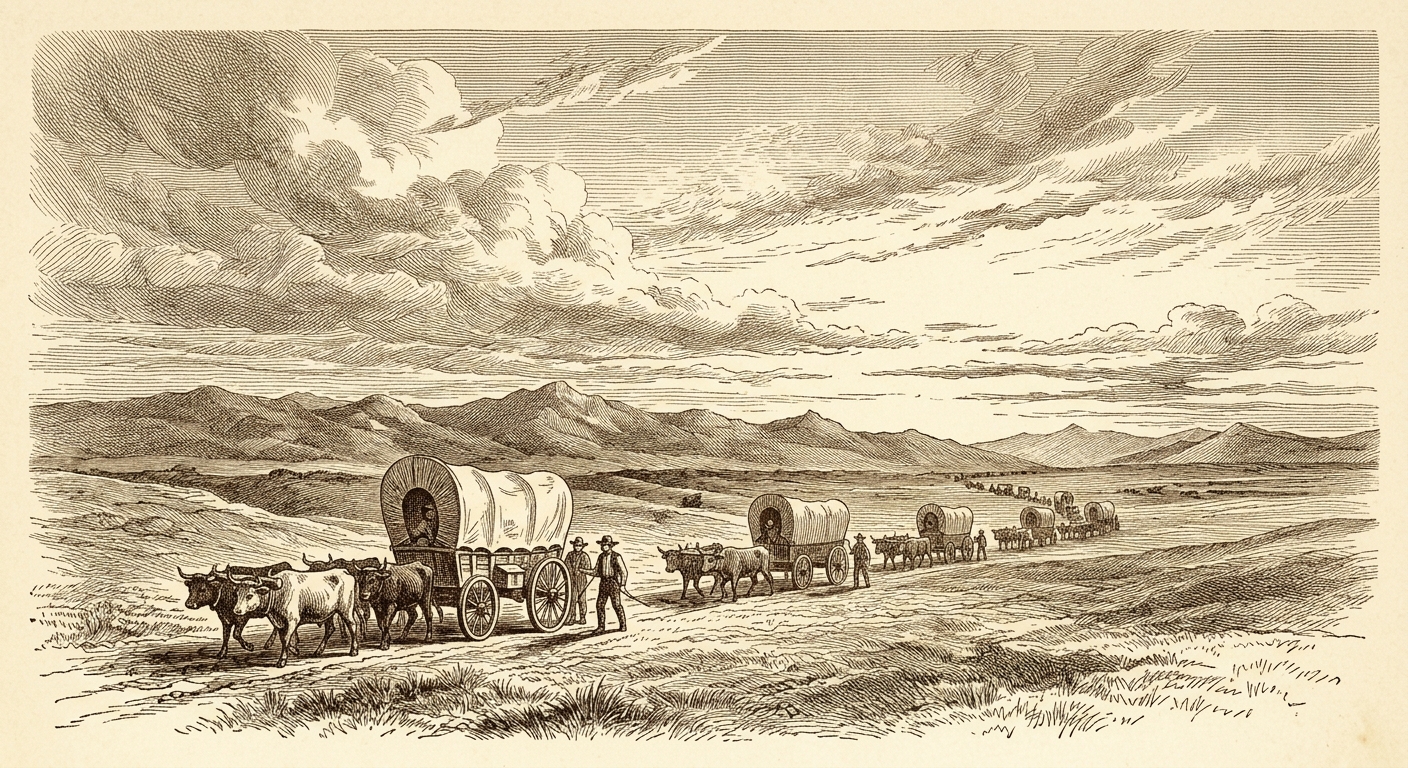
Westward expansion is the period when the United States grew across the continent, as settlers, trails, and railroads pushed toward the Pacific.
In the 1800s the United States grew from a country hugging the Atlantic coast into a nation stretching all the way to the Pacific. Land deals, explorers, wagon trains, gold, and railroads all pulled Americans west. This timeline follows that push across the continent — and it’s worth remembering that the same growth also pushed many Native American nations off lands they had lived on for generations.
- 1803
Louisiana Purchase
The U.S. buys a vast area of land from France, doubling the size of the country.
Why it mattered: The huge land deal doubled the country and set the stage for the push westward.
- 1804
Lewis and Clark Expedition
Lewis and Clark set out to explore and map the new western lands.
Why it mattered: Their maps and reports showed Americans what the western lands held and how to reach them.
- 1825
Erie Canal Opens
A canal links the East Coast to the Great Lakes, speeding travel west.
Why it mattered: It made travel and trade toward the West faster and cheaper, speeding up settlement.
- 1836
Texas Independence
Texas wins its independence from Mexico and later joins the United States.
Why it mattered: Texas broke from Mexico and later joined the U.S., expanding the country to the southwest.
- 1843
The Oregon Trail
Thousands of settlers begin the long wagon journey west along the trail.
Why it mattered: The wave of wagons proved whole families could make the long overland journey west.
- 1848
Gold Discovered in California
Gold is found at Sutter’s Mill, drawing fortune-seekers west.
Why it mattered: The discovery set off a rush that brought people west by the hundreds of thousands.
- 1849
California Gold Rush
The “Forty-Niners” rush to California hoping to strike it rich.
Why it mattered: California grew so fast from the rush that it soon became a state.
- 1862
Homestead Act
The government offers settlers free western land if they farm it.
Why it mattered: Offering free land drew waves of farmers to settle the Great Plains.
- 1869
Transcontinental Railroad
The railroad is completed, connecting the country from coast to coast.
Why it mattered: The railroad linked East and West, turning the journey into days instead of months.
- 1890
The Frontier Closes
The Census reports that the western frontier line has essentially disappeared.
Why it mattered: It marked the end of the open frontier — the West had been settled from coast to coast.
Westward Expansion Quiz
Check what you learned — read on screen, or use the Printable quiz button above for a worksheet version with an answer key.
What did the Louisiana Purchase do in 1803?
- A) Ended a war
- B) Doubled the size of the United States
- C) Built the Erie Canal
- D) Freed Texas
Who explored the new western lands starting in 1804?
- A) Christopher Columbus
- B) The Pilgrims
- C) Lewis and Clark
- D) George Washington
What was the Oregon Trail?
- A) A railroad line
- B) A gold mine
- C) A river
- D) A long wagon route settlers followed west
What set off the California Gold Rush?
- A) A new railroad
- B) Gold discovered at Sutter’s Mill
- C) The Homestead Act
- D) The Erie Canal
What were the gold seekers of 1849 called?
- A) Pilgrims
- B) Forty-Niners
- C) Redcoats
- D) Homesteaders
What did the Homestead Act offer settlers in 1862?
- A) Free gold
- B) Free ships
- C) Free western land if they farmed it
- D) Free railroad tickets
What did the Transcontinental Railroad do in 1869?
- A) Connected the country from coast to coast
- B) Ended slavery
- C) Bought Louisiana
- D) Started the Gold Rush
What did the Census announce in 1890?
- A) A new colony had formed
- B) The frontier line was essentially gone
- C) Gold had run out
- D) The war had ended
Show answer key
1. B · 2. C · 3. D · 4. B · 5. B · 6. C · 7. A · 8. B
See it on the map
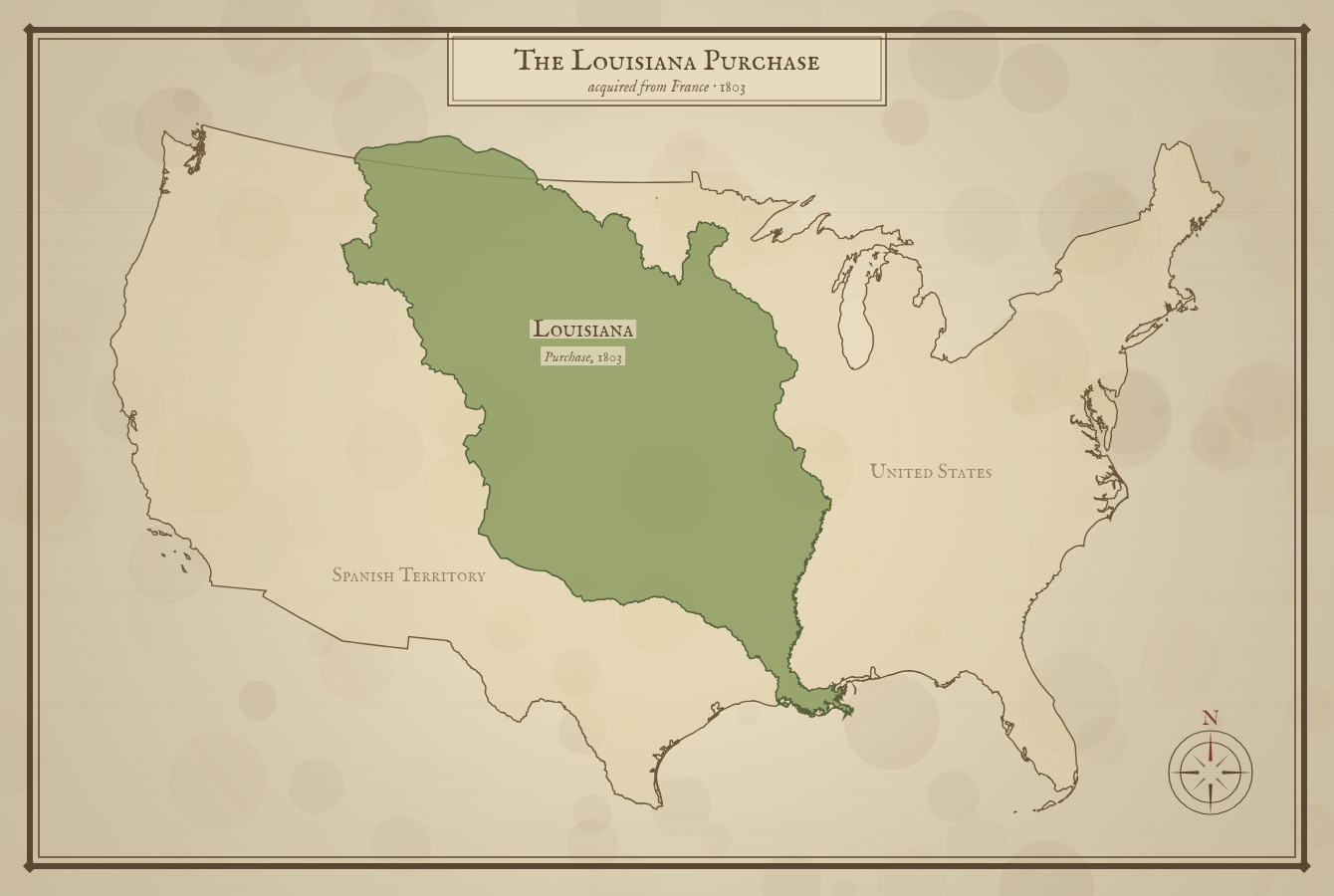 Pair this timeline with our printable The Louisiana Purchase map — real historical geography, drawn in an antique style. Open the map →
Related timelines
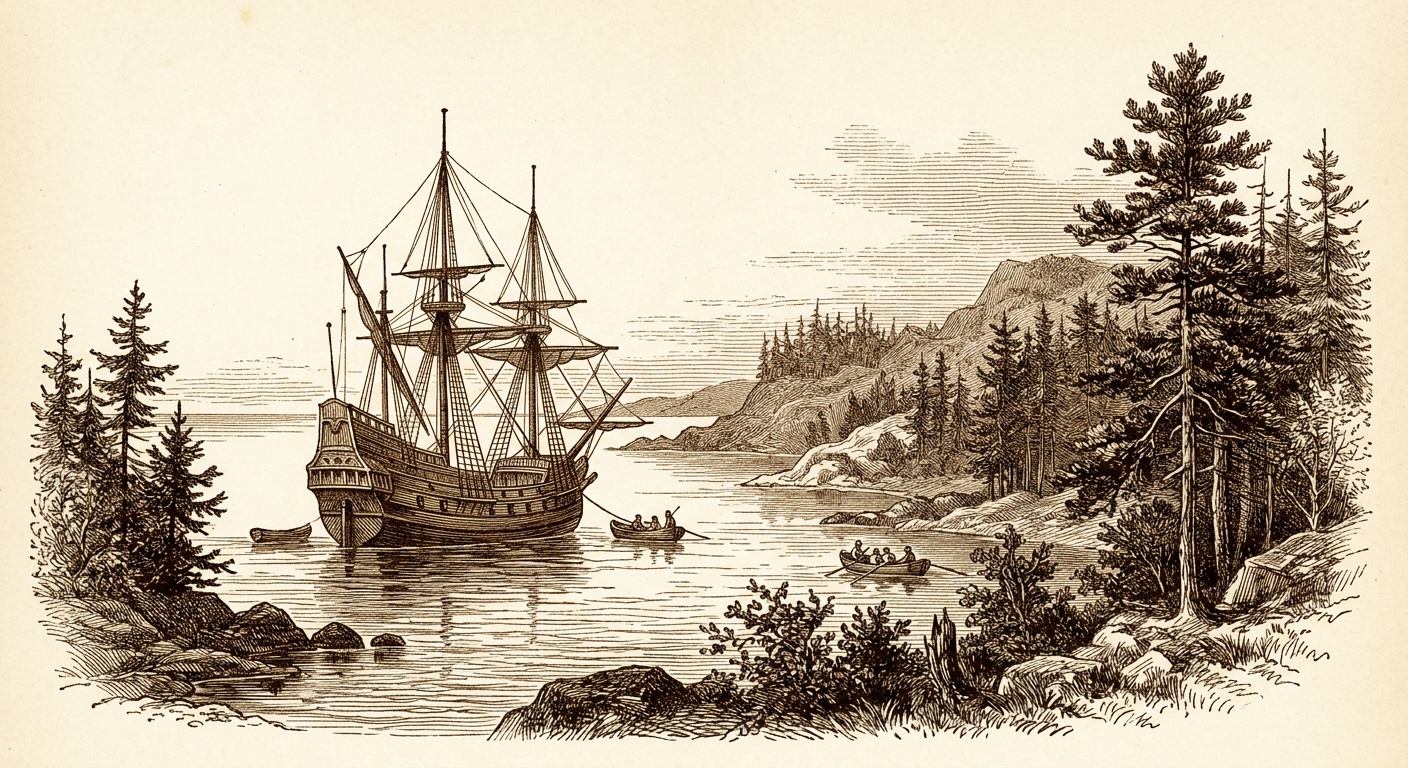 Colonial America Timeline — Colonial America is the period when European settlers built the thirteen colonies that would later become the United States. Open →
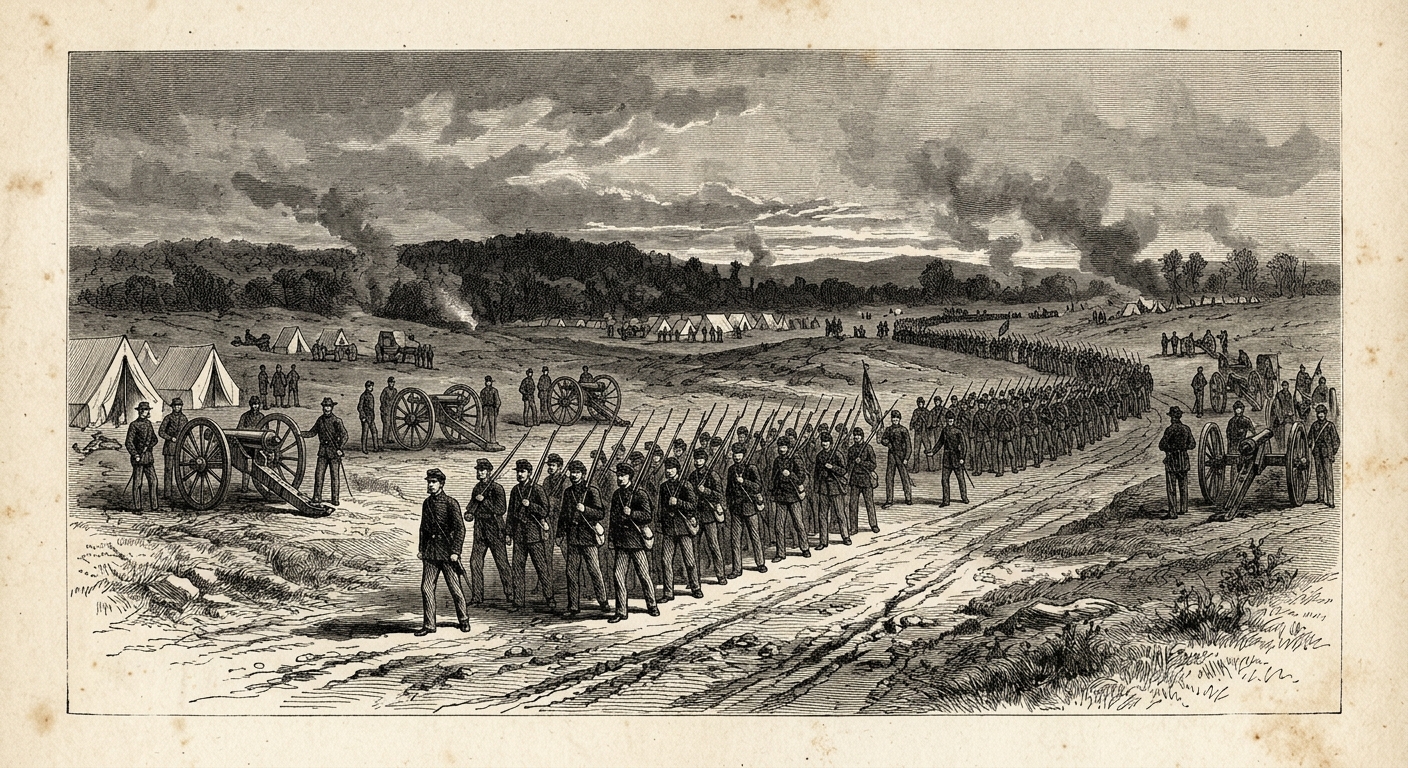 Civil War Timeline — The Civil War was the war between the Northern states (the Union) and the Southern states (the Confederacy) over slavery, states’ rights, and whether states could leave the Union. Open →
How to print
Choose Download PDF for a ready-to-print timeline that fits US Letter paper (8.5 × 11"). The blank fill-in version keeps the dates and gives students empty lines to write each event — great for review and quizzes.
Frequently asked questions
What was westward expansion?
It was the growth of the United States across North America in the 1800s, as settlers, trails, and railroads moved the population and the country's borders toward the Pacific Ocean.
What was the Oregon Trail?
The Oregon Trail was a roughly 2,000-mile wagon route that thousands of settlers followed from Missouri to the Oregon Country in the mid-1800s.
What paper size should I print this on?
The timeline is sized for standard US Letter paper (8.5 × 11"). Use “Download PDF” for a print-ready file that fits the page automatically.