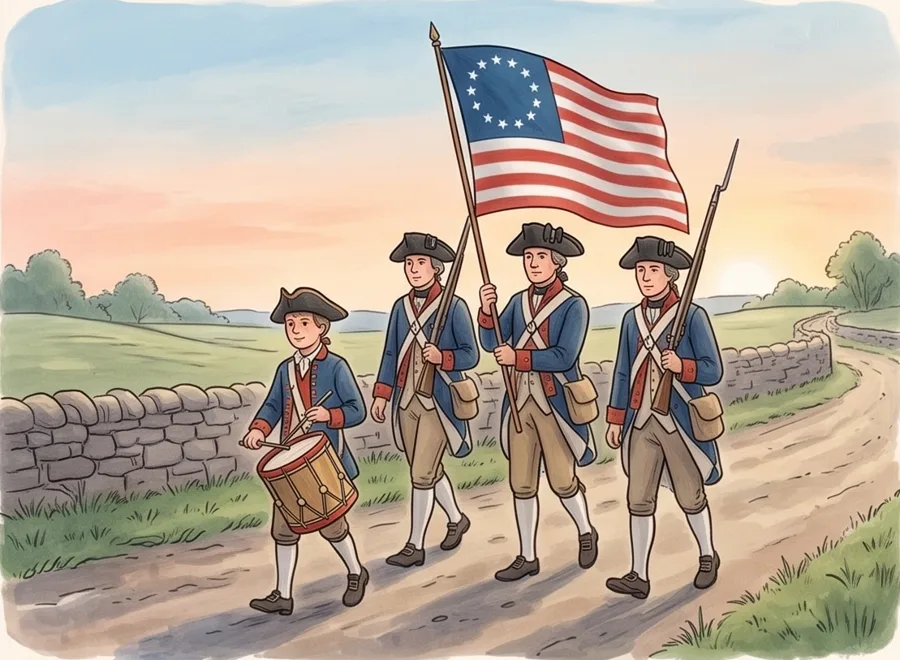
American Revolution Timeline for Kids
The thirteen colonies were ruled by the king of Great Britain. Many colonists thought his rules were not fair. They fought a war to become their own country. This timeline shows how the United States began.
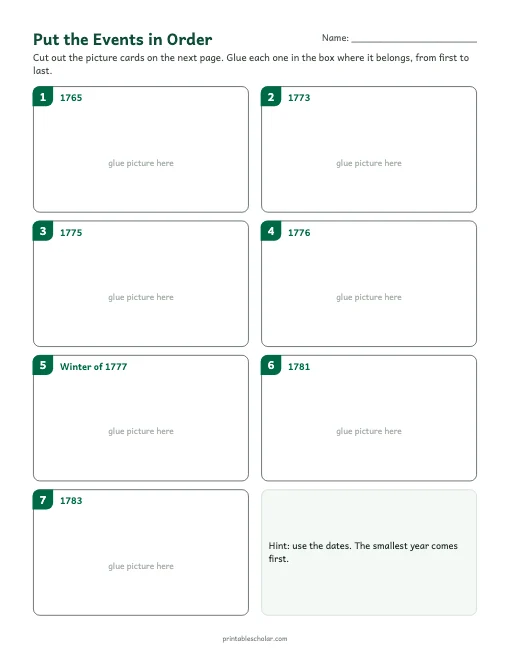
Cut and Order Activity
Cut out the seven picture cards and glue them in order on the timeline.
Download PDF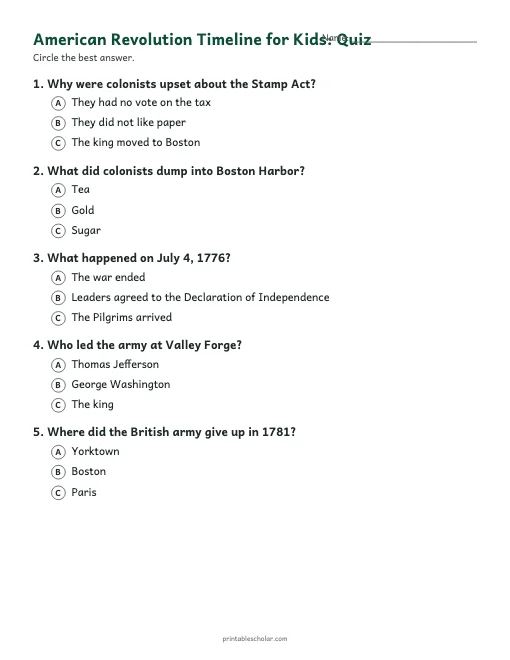
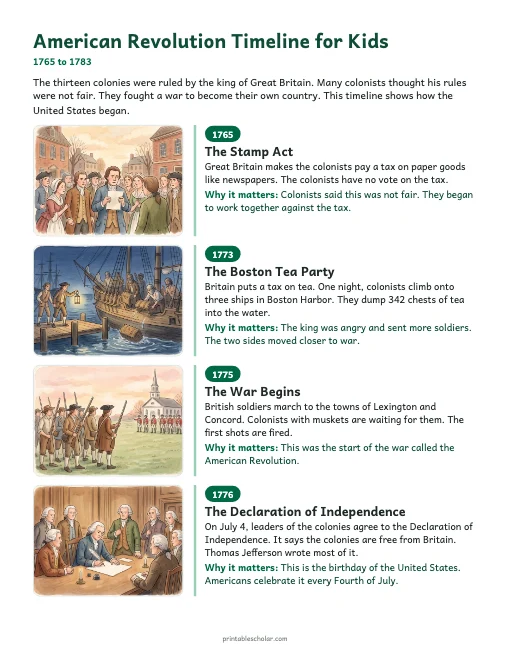
The timeline
 1765
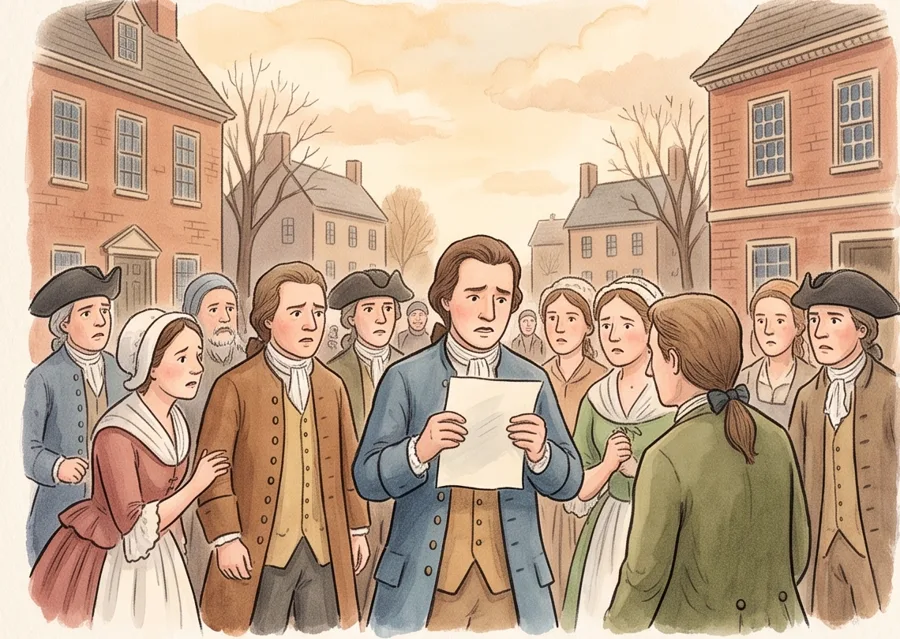
1765The Stamp Act
Great Britain makes the colonists pay a tax on paper goods like newspapers. The colonists have no vote on the tax.
Why it matters: Colonists said this was not fair. They began to work together against the tax.
 1773
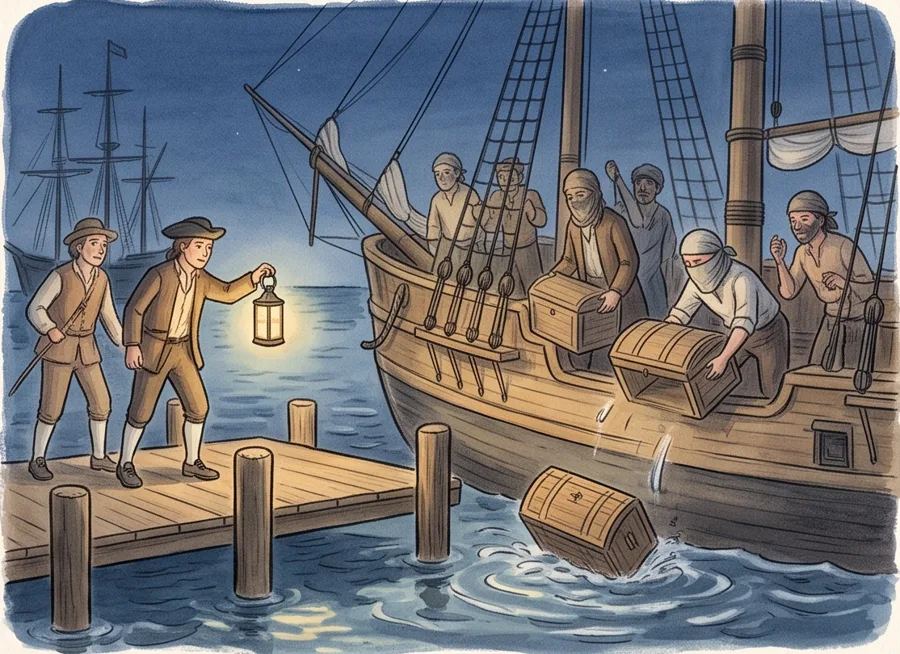
1773The Boston Tea Party
Britain puts a tax on tea. One night, colonists climb onto three ships in Boston Harbor. They dump 342 chests of tea into the water.
Why it matters: The king was angry and sent more soldiers. The two sides moved closer to war.
 1775
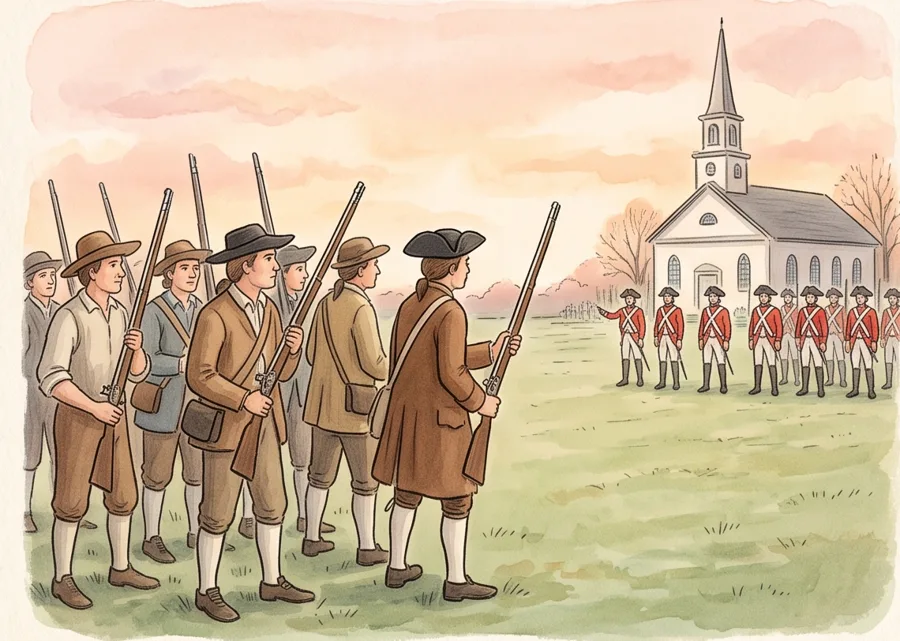
1775The War Begins
British soldiers march to the towns of Lexington and Concord. Colonists with muskets are waiting for them. The first shots are fired.
Why it matters: This was the start of the war called the American Revolution.
 1776
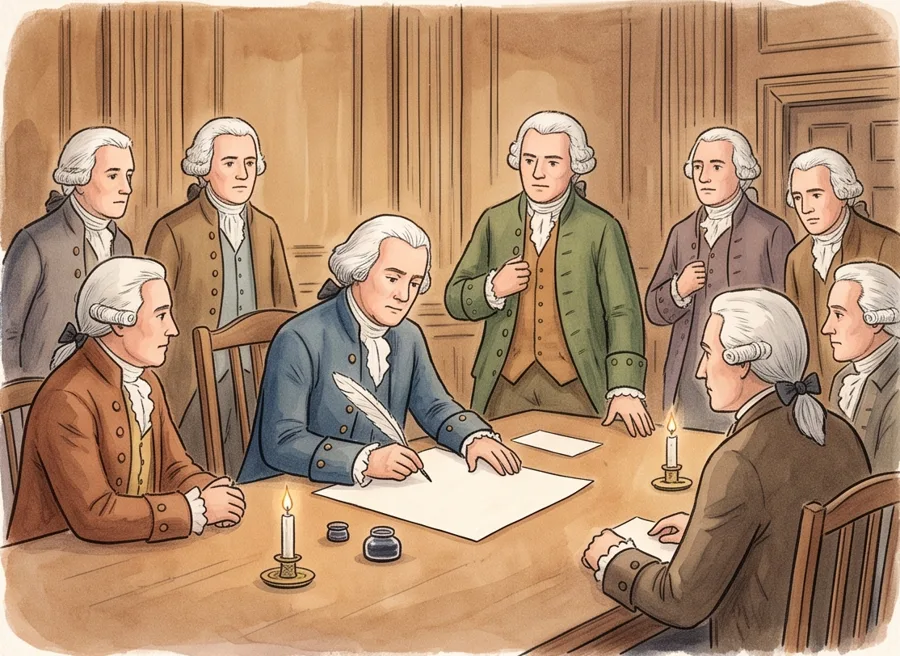
1776The Declaration of Independence
On July 4, leaders of the colonies agree to the Declaration of Independence. It says the colonies are free from Britain. Thomas Jefferson wrote most of it.
Why it matters: This is the birthday of the United States. Americans celebrate it every Fourth of July.
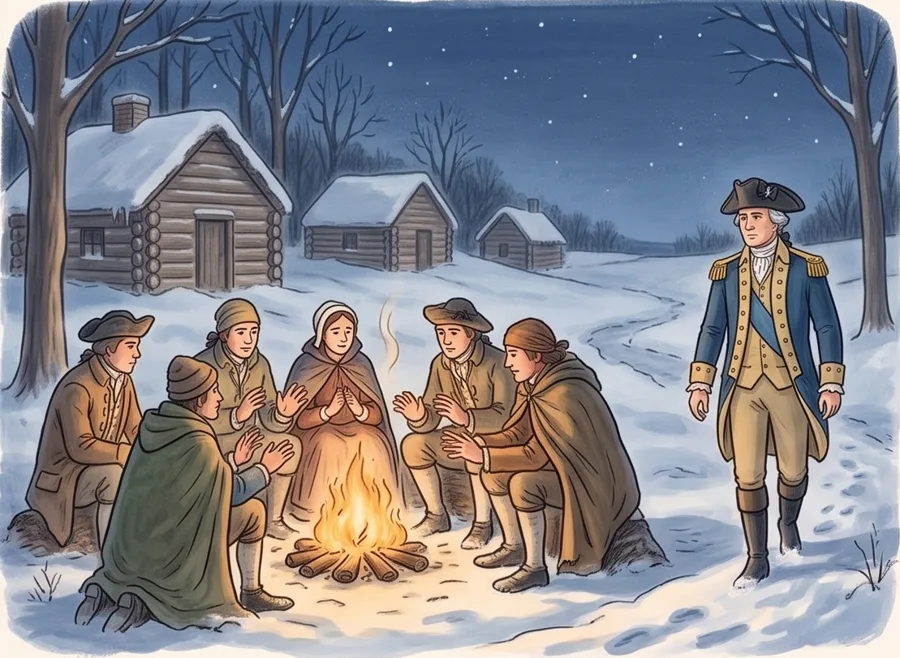 Winter of 1777
Valley Forge
George Washington's army camps at Valley Forge for the winter. The soldiers are cold and hungry, but they keep training.
Why it matters: The army came out stronger and ready to keep fighting.
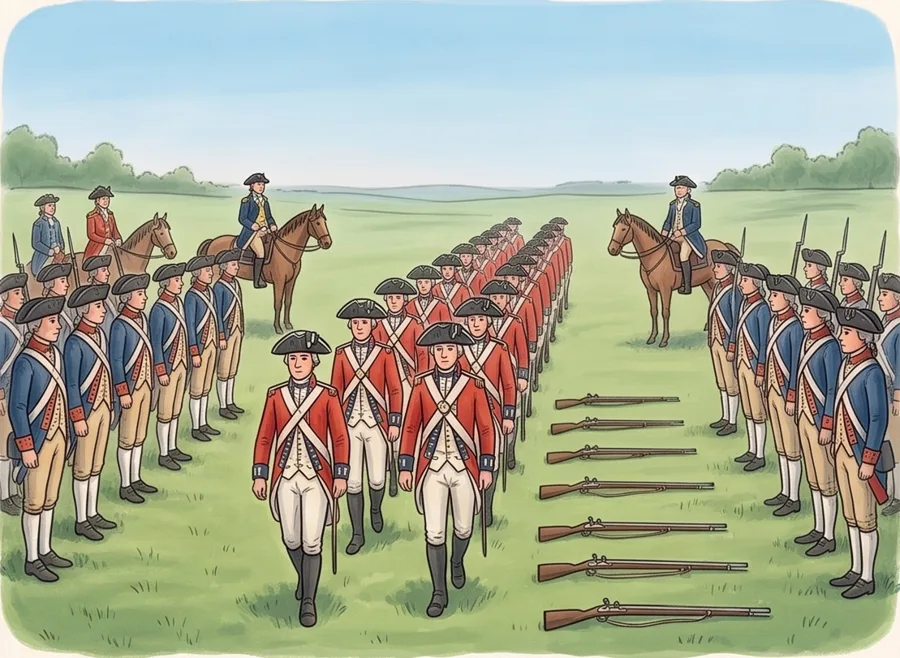 1781
1781Victory at Yorktown
American and French soldiers trap a British army at Yorktown, Virginia. The British army gives up.
Why it matters: It was the last big battle of the war. The Americans had won.
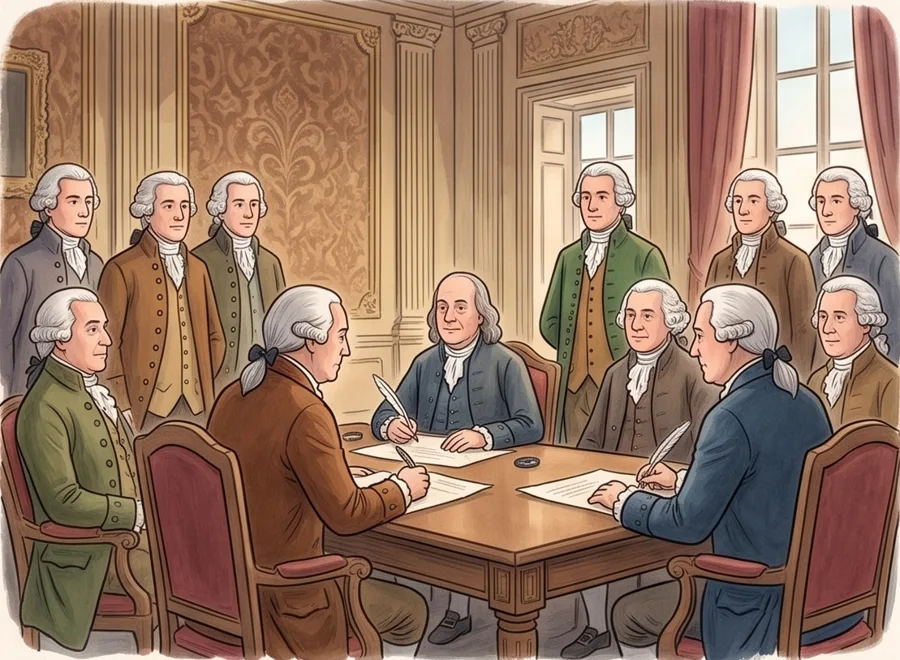 1783
1783Peace
Britain and the United States sign a peace agreement in Paris. Britain agrees that the United States is a free country.
Why it matters: The war was over. Now Americans had to build a new government.
Words to know
- tax: money that people must pay to the government
- colonist: a person who lives in a colony
- independence: being free to rule yourself
- army: a large group of soldiers
Quiz
- Why were colonists upset about the Stamp Act?
A. They had no vote on the tax B. They did not like paper C. The king moved to Boston - What did colonists dump into Boston Harbor?
A. Tea B. Gold C. Sugar - What happened on July 4, 1776?
A. The war ended B. Leaders agreed to the Declaration of Independence C. The Pilgrims arrived - Who led the army at Valley Forge?
A. Thomas Jefferson B. George Washington C. The king - Where did the British army give up in 1781?
A. Yorktown B. Boston C. Paris
Show answers
1. A (They had no vote on the tax) 2. A (Tea) 3. B (Leaders agreed to the Declaration of Independence) 4. B (George Washington) 5. A (Yorktown)
The pictures are illustrations made for this timeline. They show what these people and places may have looked like.