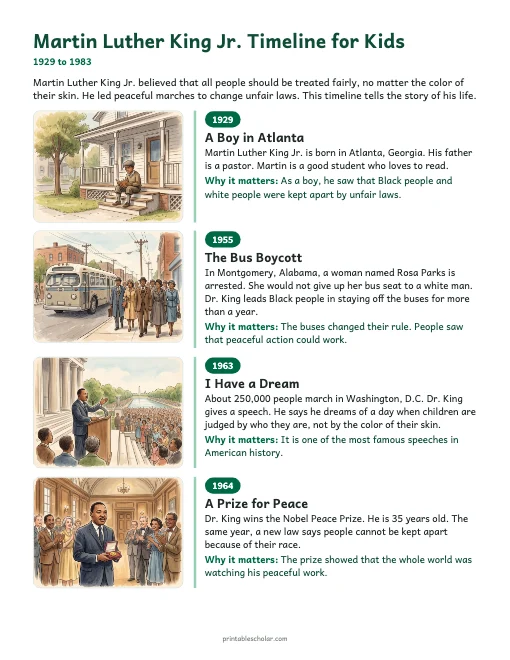
Martin Luther King Jr. Timeline for Kids
Martin Luther King Jr. believed that all people should be treated fairly, no matter the color of their skin. He led peaceful marches to change unfair laws. This timeline tells the story of his life.
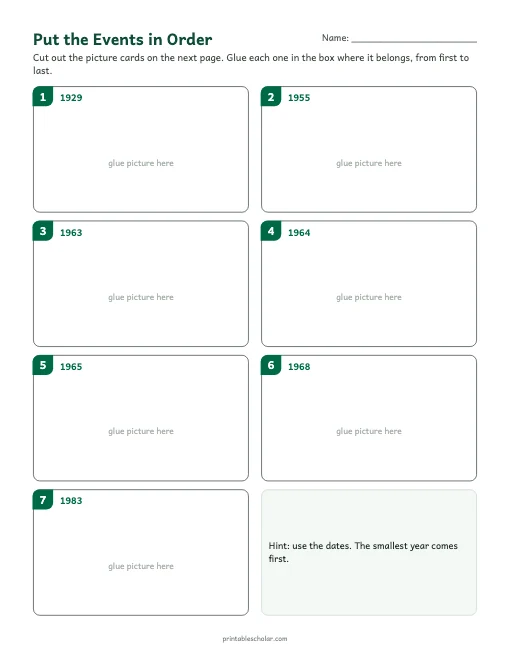
Cut and Order Activity
Cut out the seven picture cards and glue them in order on the timeline.
Download PDF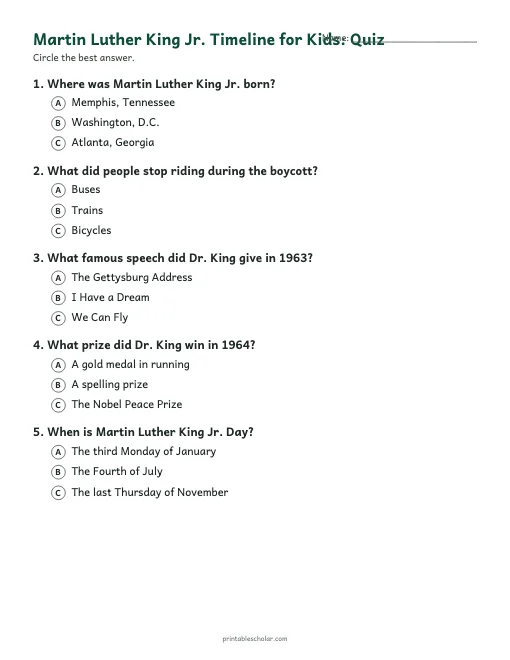
The timeline
 1929
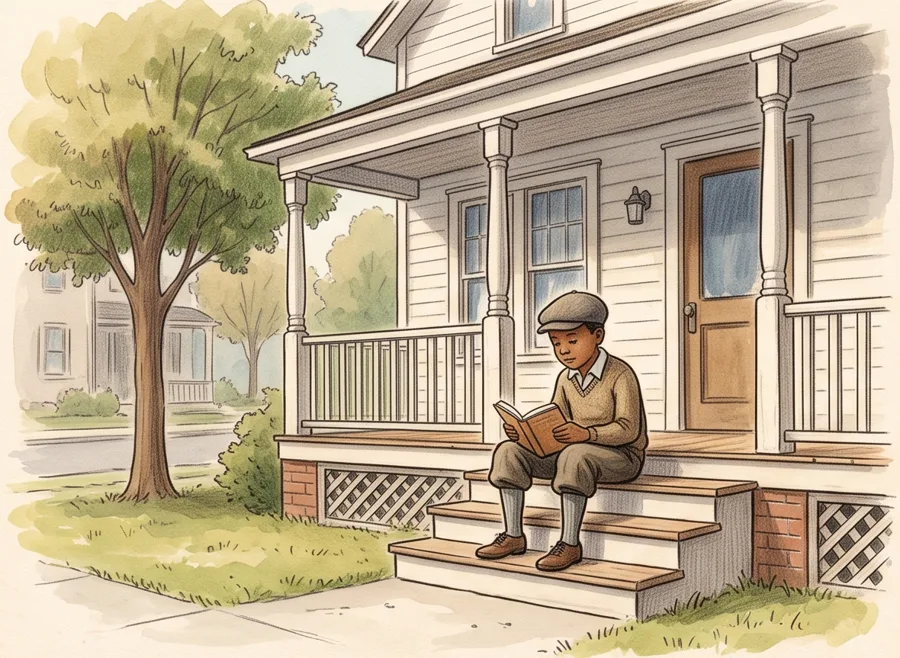
1929A Boy in Atlanta
Martin Luther King Jr. is born in Atlanta, Georgia. His father is a pastor. Martin is a good student who loves to read.
Why it matters: As a boy, he saw that Black people and white people were kept apart by unfair laws.
 1955
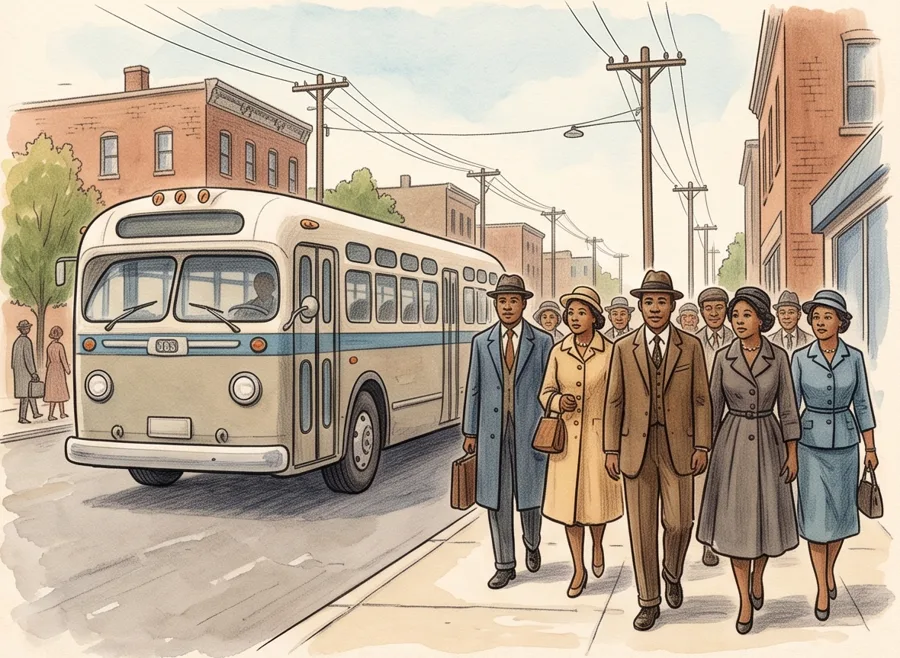
1955The Bus Boycott
In Montgomery, Alabama, a woman named Rosa Parks is arrested. She would not give up her bus seat to a white man. Dr. King leads Black people in staying off the buses for more than a year.
Why it matters: The buses changed their rule. People saw that peaceful action could work.
 1963
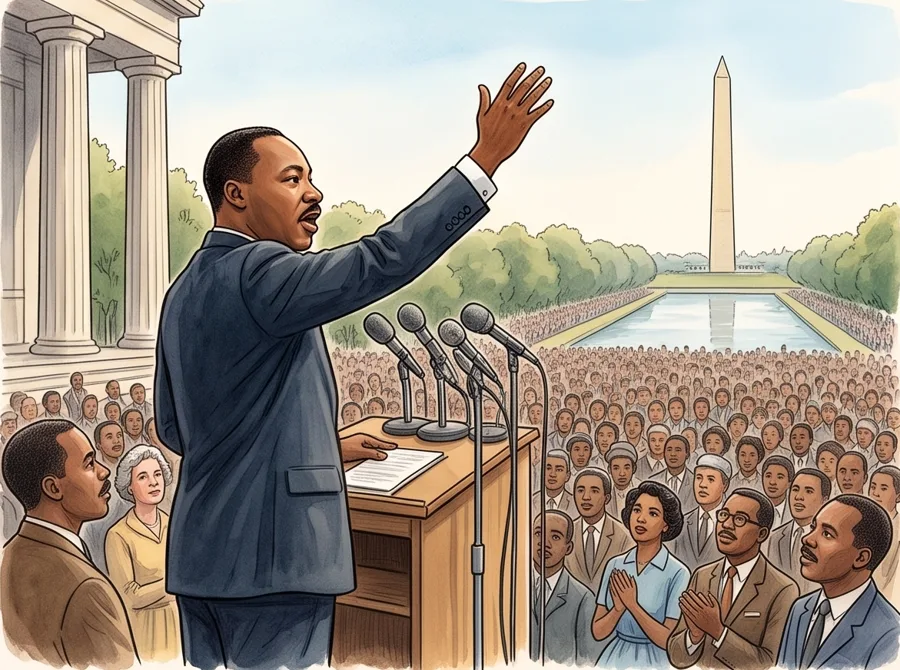
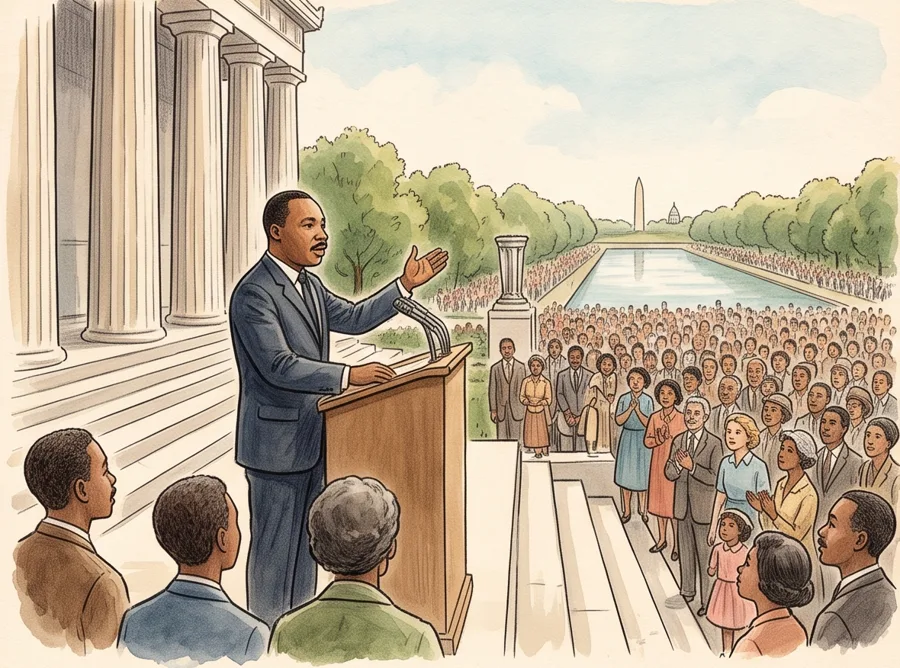
1963I Have a Dream
About 250,000 people march in Washington, D.C. Dr. King gives a speech. He says he dreams of a day when children are judged by who they are, not by the color of their skin.
Why it matters: It is one of the most famous speeches in American history.
 1964
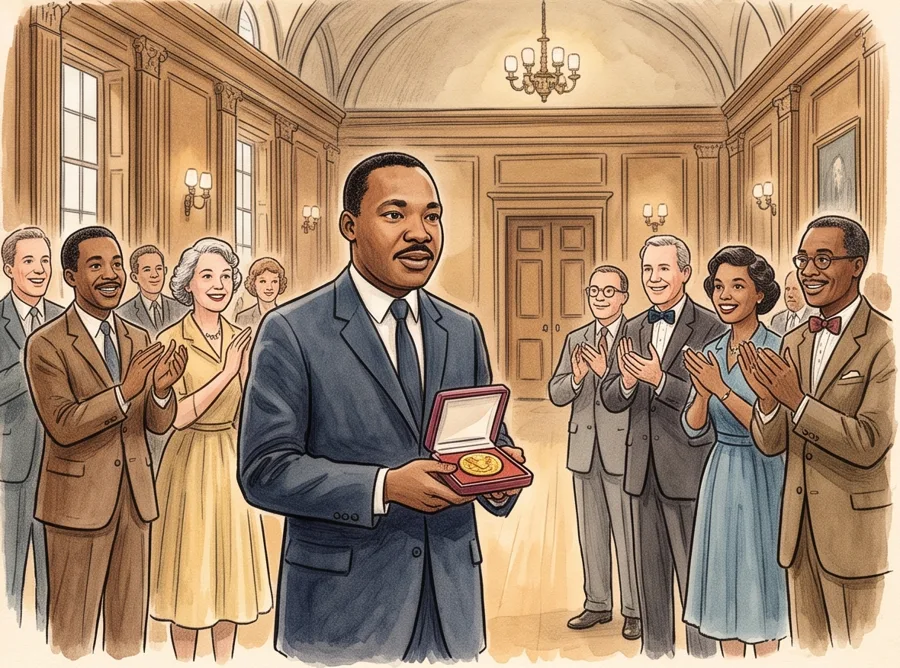
1964A Prize for Peace
Dr. King wins the Nobel Peace Prize. He is 35 years old. The same year, a new law says people cannot be kept apart because of their race.
Why it matters: The prize showed that the whole world was watching his peaceful work.
 1965
1965The March for Voting
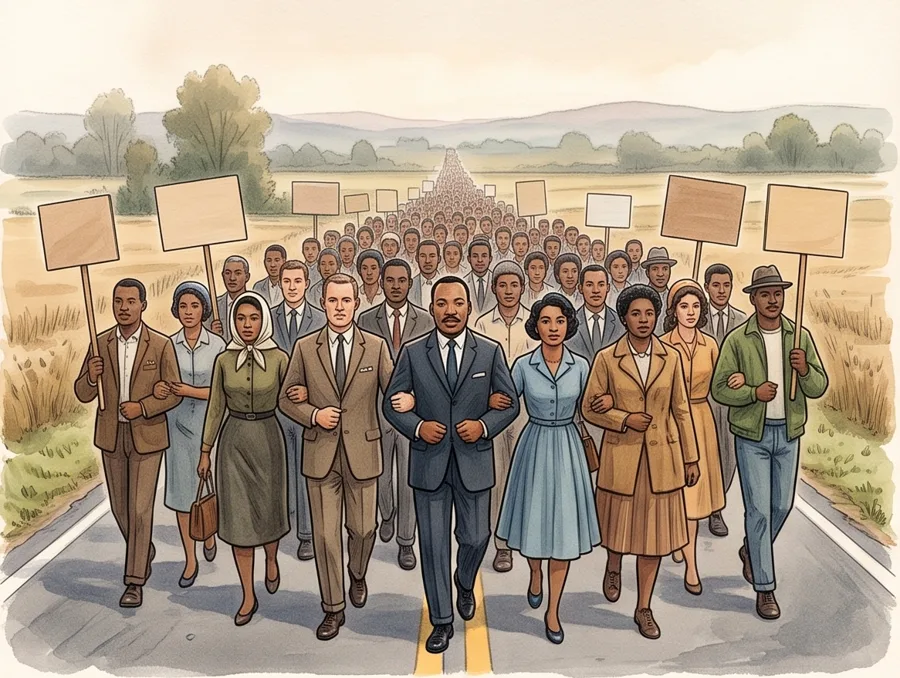
Dr. King leads thousands of people on a walk of 54 miles in Alabama. They walk from Selma to Montgomery. They want Black people to be able to vote.
Why it matters: Later that year, a new law protected the right to vote.
 1968
1968A Sad Day
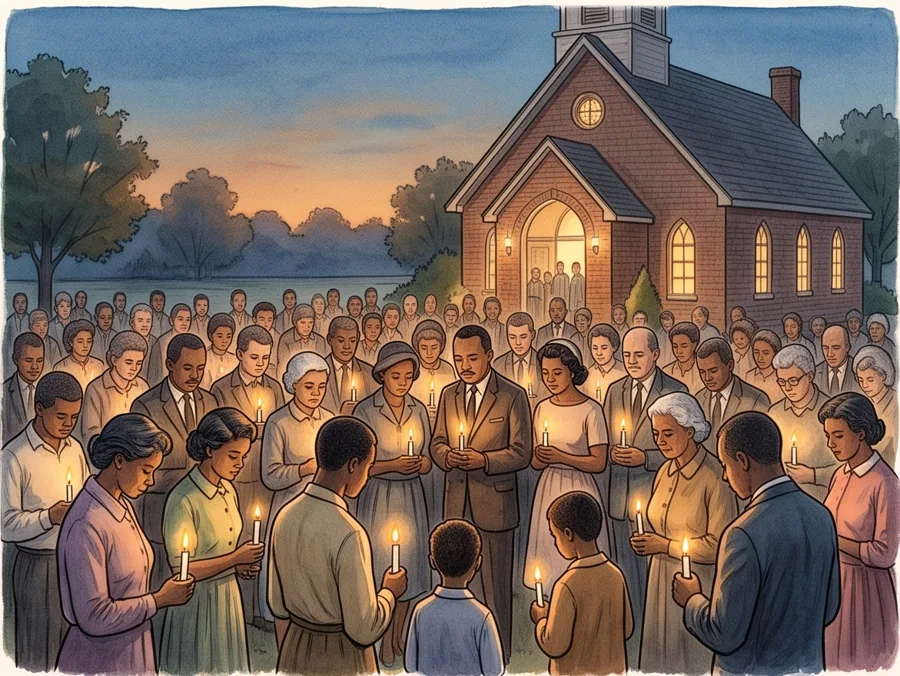
Dr. King is shot and killed in Memphis, Tennessee. He is 39 years old. People all over the world are sad.
Why it matters: People kept working for the fair treatment he had asked for.
 1983
1983A Day to Remember Him
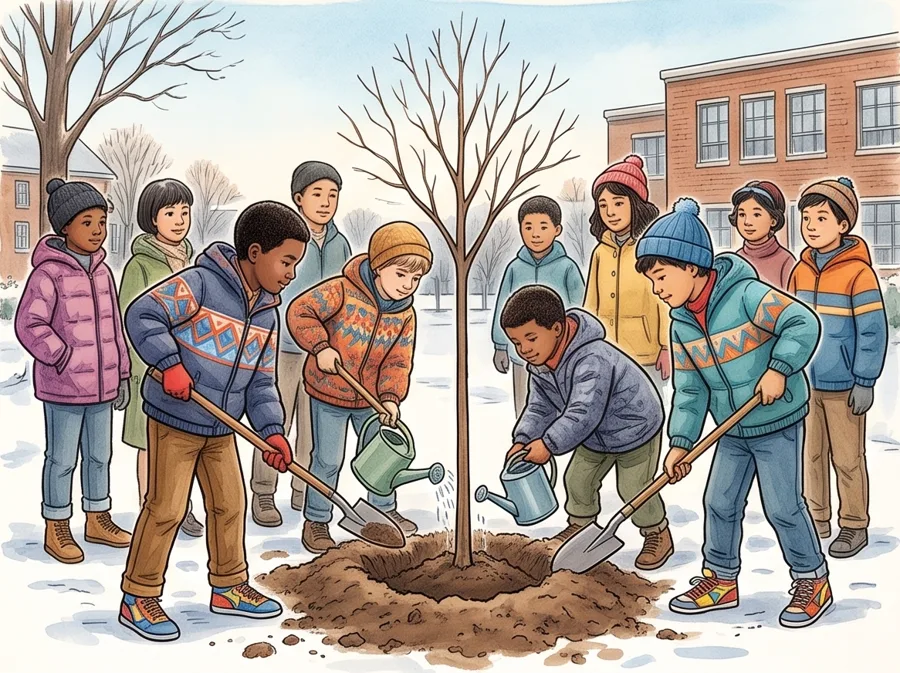
The United States makes a new holiday called Martin Luther King Jr. Day. It is on the third Monday of January.
Why it matters: Each year, people remember Dr. King and do kind things for others.
Words to know
- pastor: the leader of a church
- boycott: when people stop using something to show that it is unfair
- march: to walk together to show what you believe
- law: a rule that everyone in a country must follow
Quiz
- Where was Martin Luther King Jr. born?
A. Memphis, Tennessee B. Washington, D.C. C. Atlanta, Georgia - What did people stop riding during the boycott?
A. Buses B. Trains C. Bicycles - What famous speech did Dr. King give in 1963?
A. The Gettysburg Address B. I Have a Dream C. We Can Fly - What prize did Dr. King win in 1964?
A. A gold medal in running B. A spelling prize C. The Nobel Peace Prize - When is Martin Luther King Jr. Day?
A. The third Monday of January B. The Fourth of July C. The last Thursday of November
Show answers
1. C (Atlanta, Georgia) 2. A (Buses) 3. B (I Have a Dream) 4. C (The Nobel Peace Prize) 5. A (The third Monday of January)
The pictures are illustrations made for this timeline. They show what these people and places may have looked like.