Social Stories for Kids, Drawn Like Picture Books
A social story tells a child, in calm and simple words, what happens in a situation and what they can do. These 12 printable stories cover school routines and big feelings, for children of about 4 to 8.
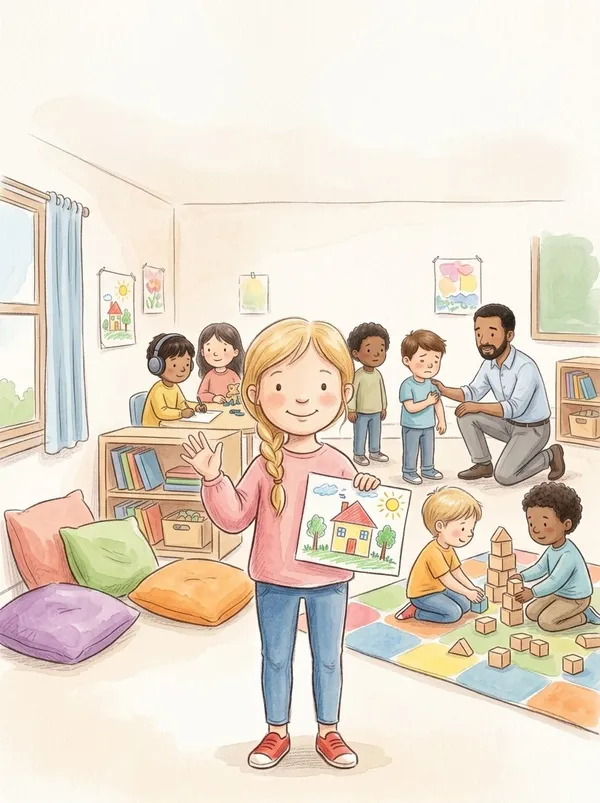
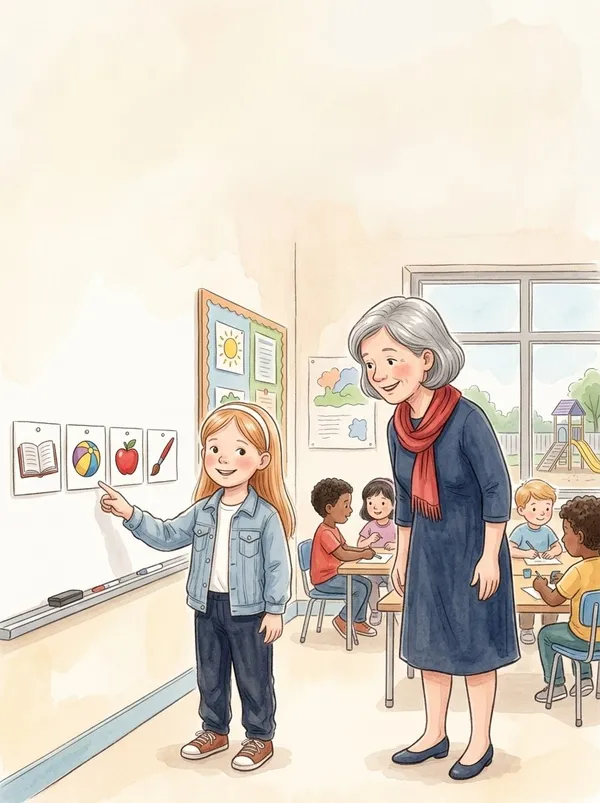
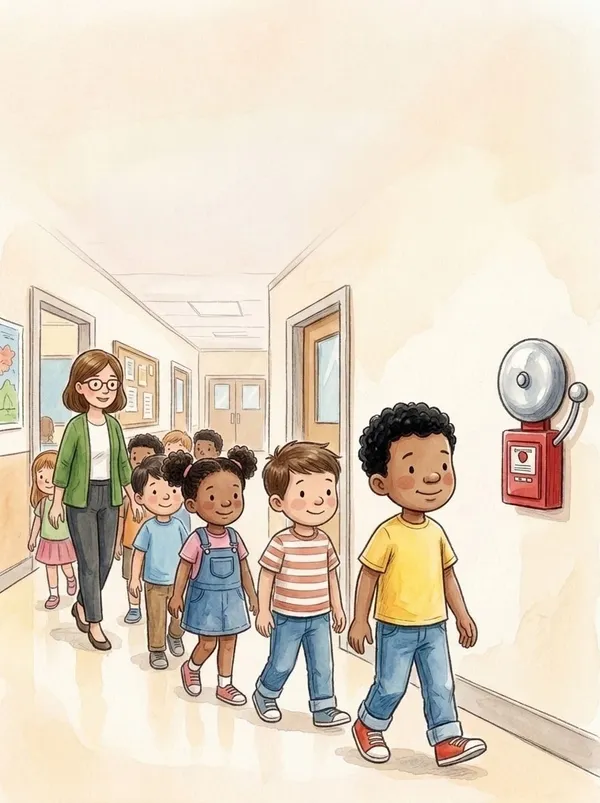
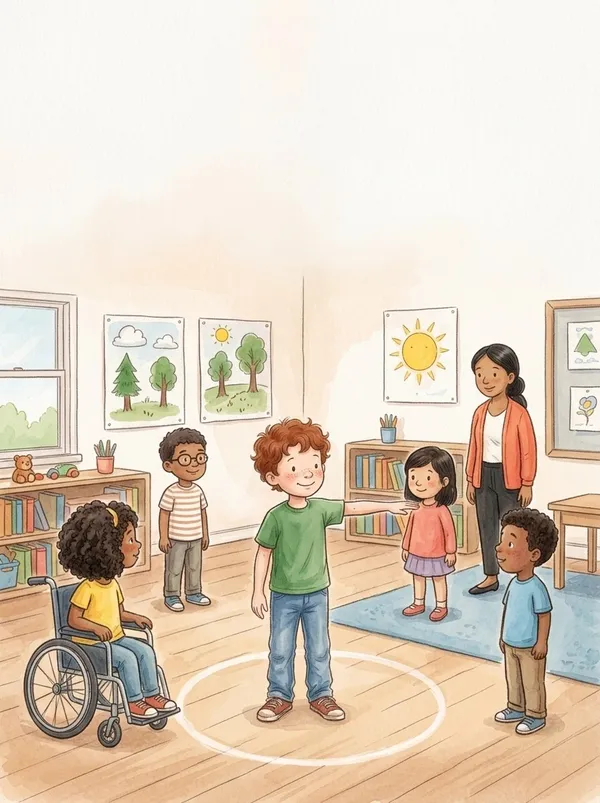
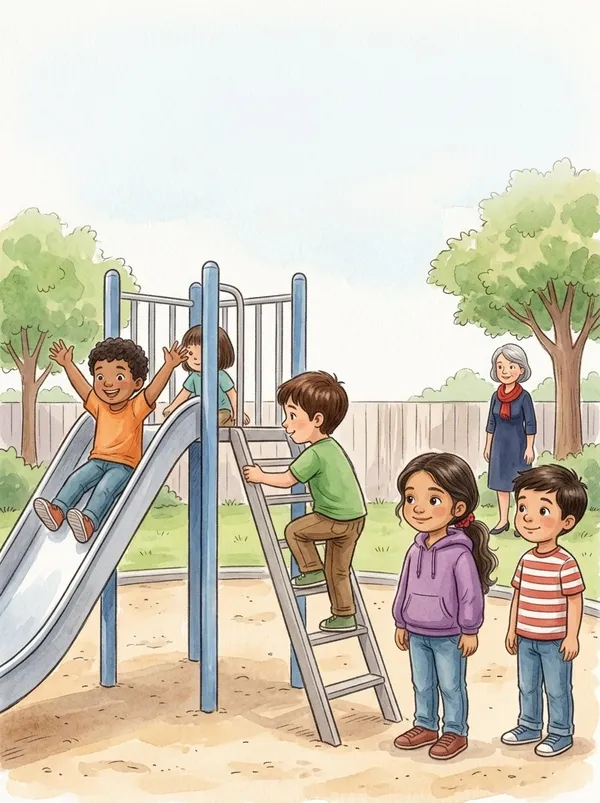
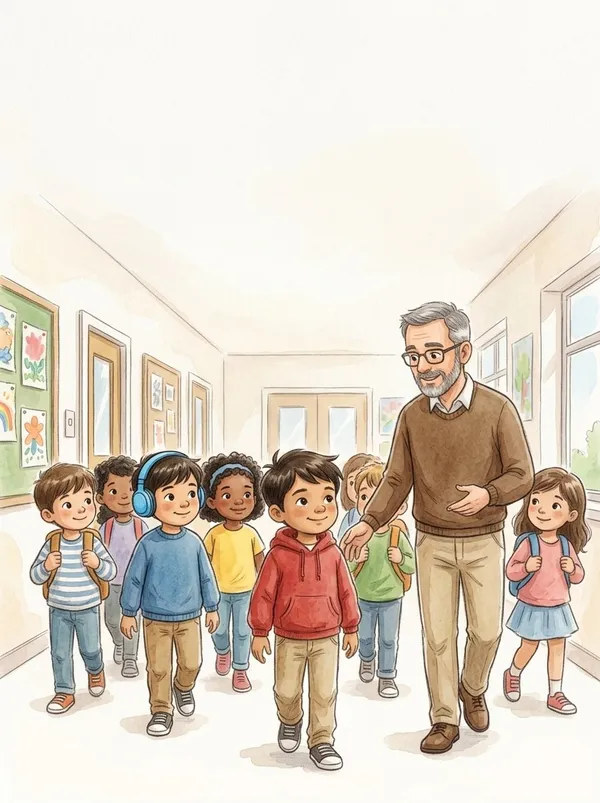
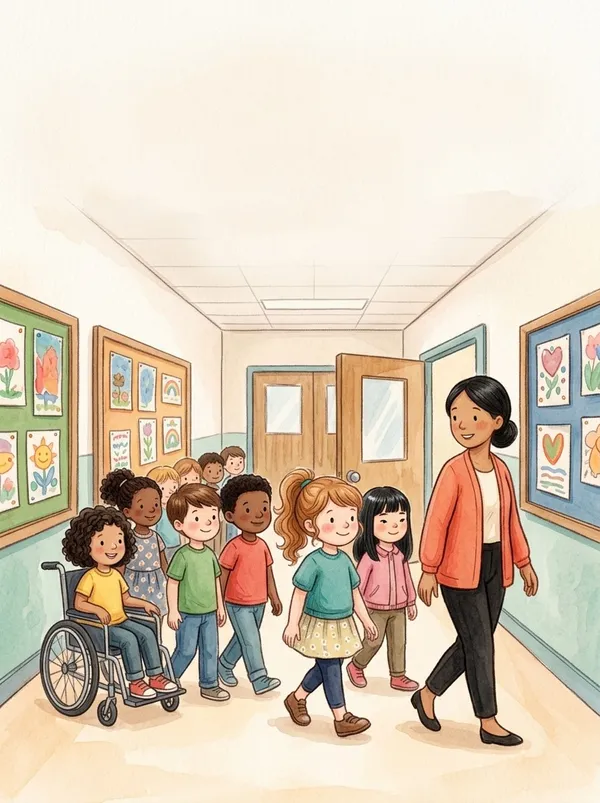
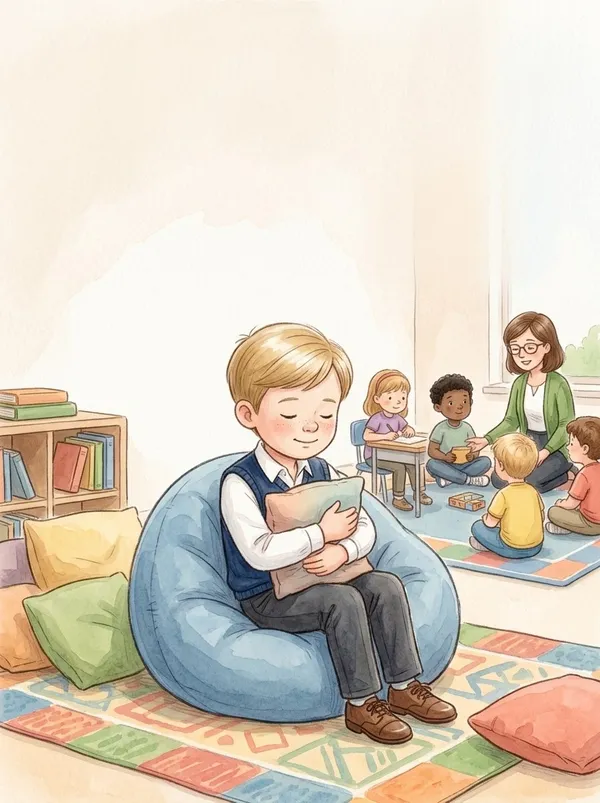
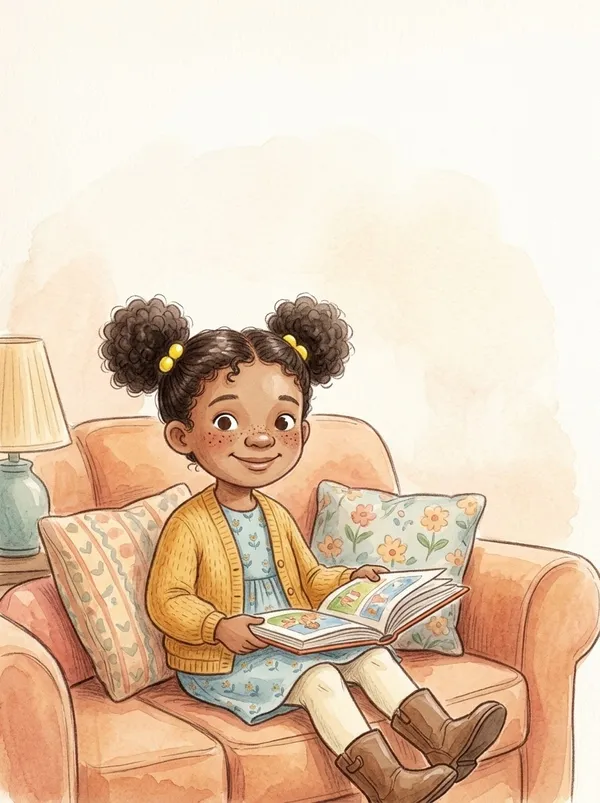
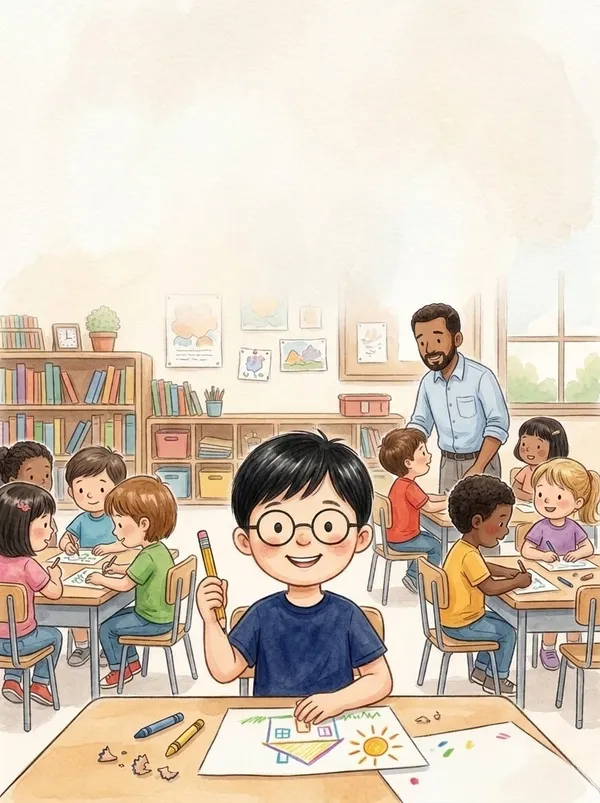
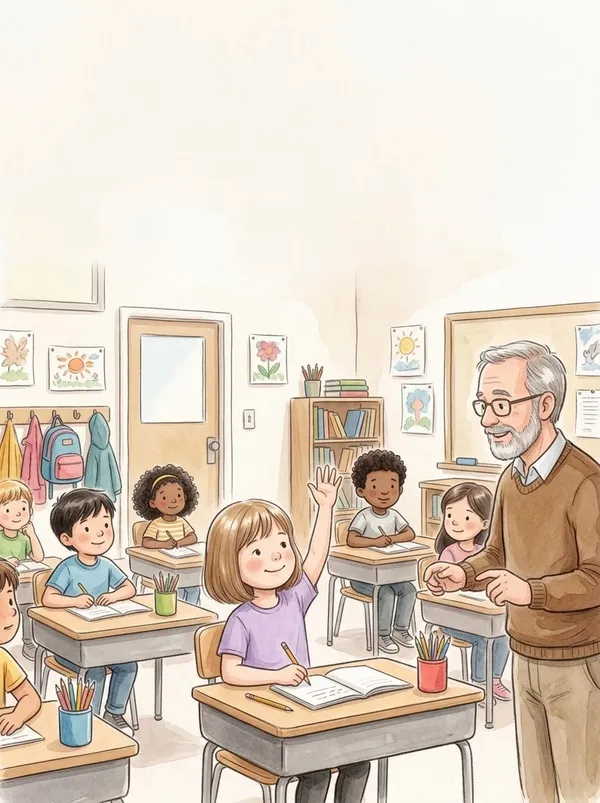
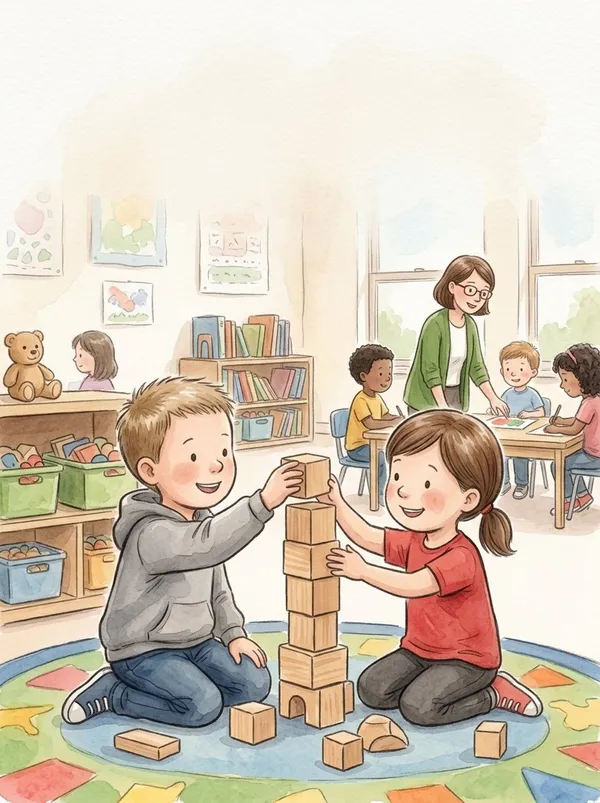
Every story is illustrated with one child from start to finish, in the real place: the hallway, the carpet, the playground. Read any story on screen; two are free to print.
All 12 social stories
Tap a story to read every page. Fire Drill and Staying With My Class are free to download.
School Routines and Safety
Big Feelings and Flexible Thinking
Printable social story packs
Each story comes three ways, ready to print. Tap a cover to look inside.
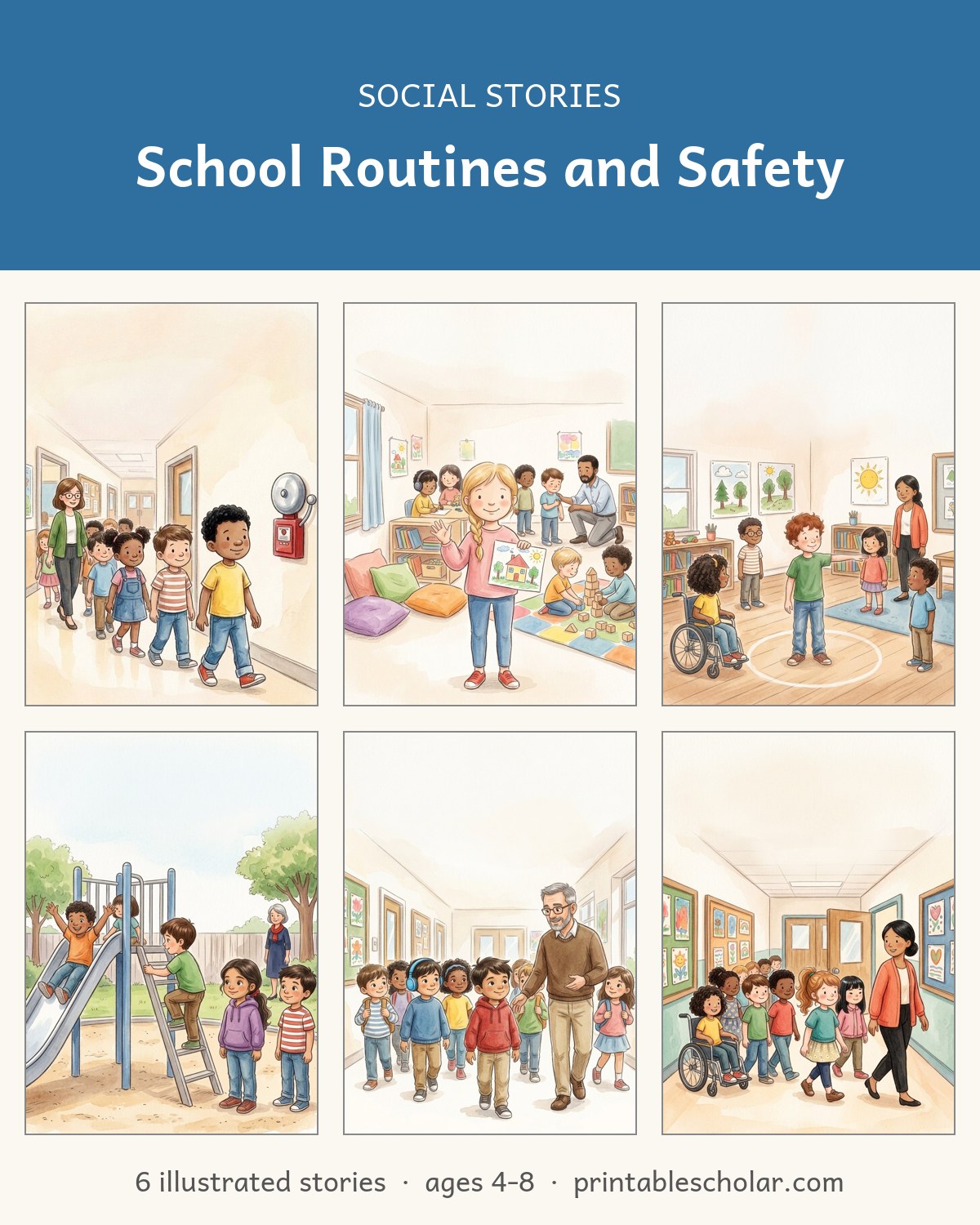 6 stories
School Routines and Safety
Fire drills, safe hands, personal space, waiting, staying with the class and walking in a line.
Get the 6 stories for $7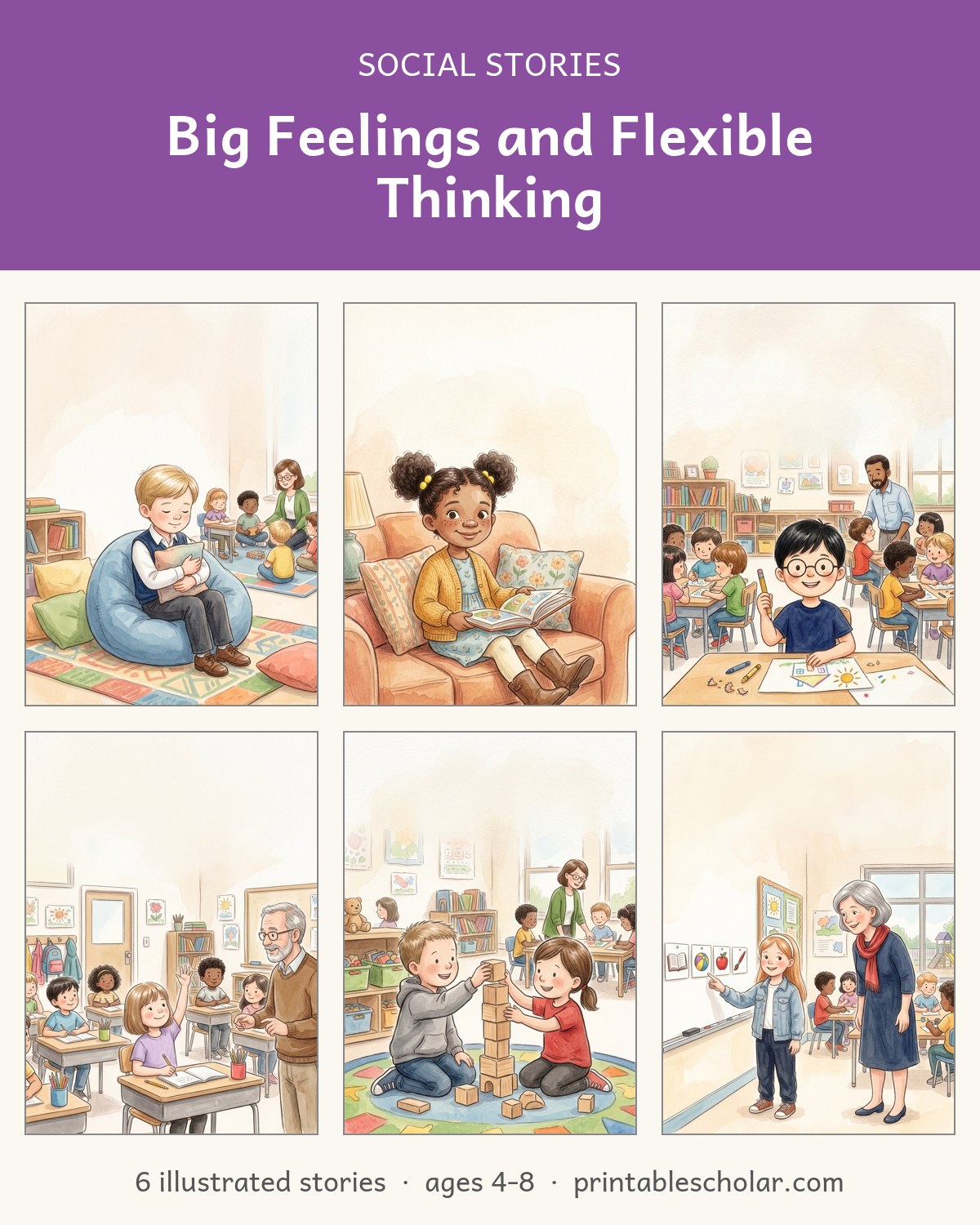 6 stories
Big Feelings and Flexible Thinking
Feeling upset, hearing no, making mistakes, asking for help, sharing and changes of plan.
Get the 6 stories for $7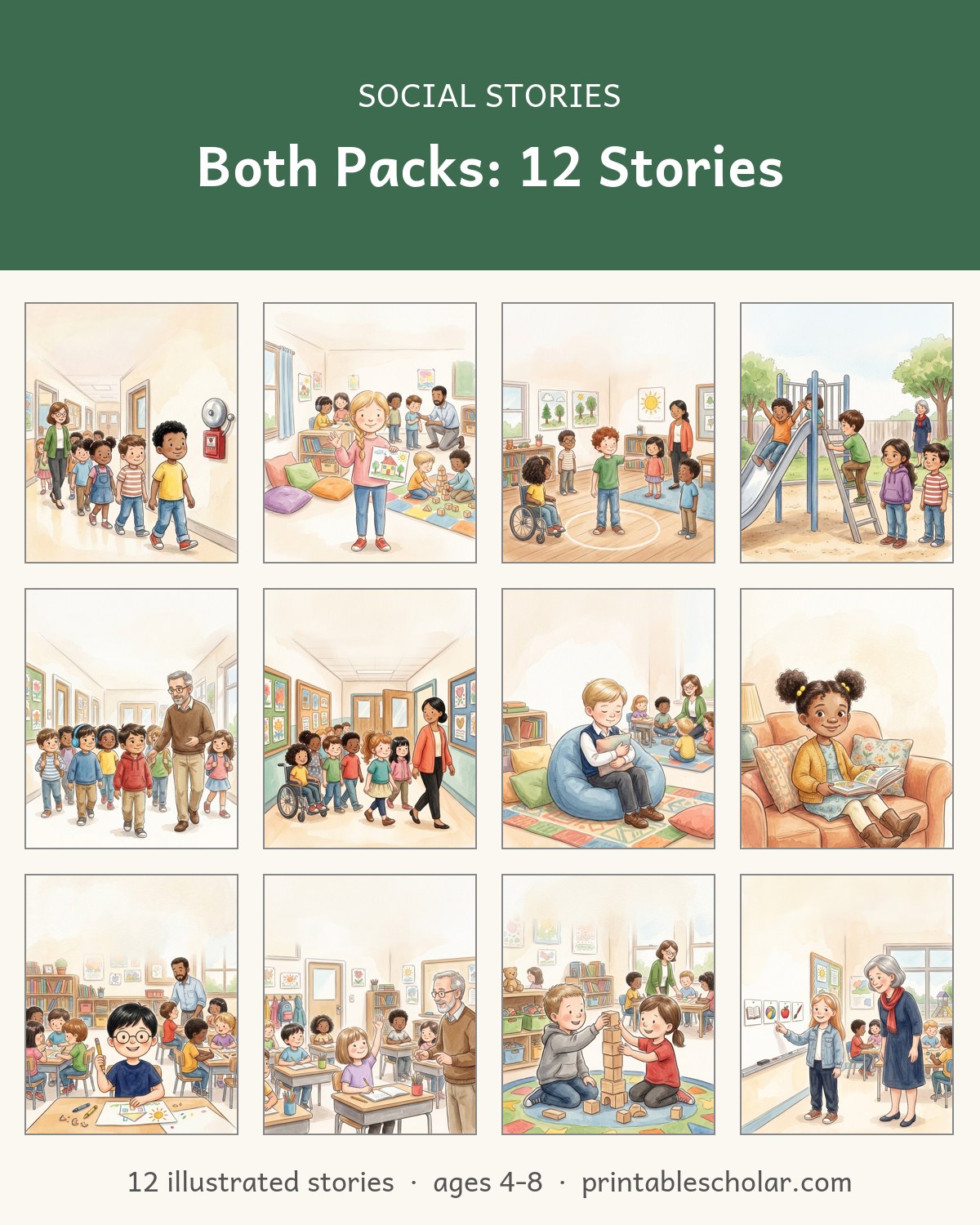 Best value
Both Packs: All 12 Stories
Every story in both packs, in every format.
Get all 12 for $12Full-page booksBig pictures for reading together or showing on a screen. US Letter and A4.
Half-page bookletsPrint, cut down the middle and staple. Half the paper, ink and laminating.
One-page summaryThe whole story on one sheet, for a desk, a binder, a visual schedule or home.
What is a social story?
A social story is a short story that explains one everyday situation from the child's point of view: what happens, why, how people might feel and what the child can do. Carol Gray first described social stories in 1991 for autistic children. Today special education teachers, speech therapists and parents use them with many young children, before a fire drill, a change of plan or a hard moment with friends.
A good social story is written in the first person, in short literal sentences. It mostly describes rather than gives orders, names feelings calmly ("That is okay"), gives the child something they can do, and never promises what the world might not keep. Pictures carry as much of the meaning as the words, which is why each of these stories shows the same child, in a real place, on every page.
How to use these stories
Read a story on a calm day, well before the situation, and again just before it happens. Many children like the same story daily for a week or two. Keep the one-page summary where the child can see it, and point back to the page that shows what to do.
Frequently Asked Questions
What is a social story?
A social story is a short, simple story that tells a child what happens in an everyday situation, why it happens and what they can do. It is written in the first person ("I"), in calm, literal language, with a picture on every page. Carol Gray first described them in 1991 for autistic children, and teachers, speech therapists and parents now use them with many young children.
Who are these social stories for?
Children of about 4 to 8: preschool, kindergarten and grades 1 and 2, including autistic children and children in special education or speech therapy. They also suit any child who feels better knowing what to expect.
How do I use a social story?
Read it on a calm day, before the situation comes up, and again just before it happens. Many children like the same story every day for a week or two. Let the child turn the pages, point at the pictures and talk about what they would do.
Are the social stories free?
Two stories, When We Have a Fire Drill and Staying With My Class, are free to download in every format. Every story can be read on its page. The printable books for the other ten come in two packs of six for $7 each, or all twelve for $12.
What makes these different from clip-art social stories?
Each story is drawn like a picture book, with the same child on every page and the real place shown: the hallway in a fire drill, the reading carpet, the playground. The wording follows social story practice: it describes more than it directs, names feelings calmly and never promises what the world might not keep.
 Printable Scholar