World War II Timeline
World War II was the largest war in history, fought across Europe, Asia, and the Pacific. The United States entered the war in December 1941 after Japan attacked the US naval base at Pearl Harbor.
World War II began in 1939 when Nazi Germany, led by Adolf Hitler, invaded Poland. Within a year, Germany had conquered most of Western Europe. The United States stayed out of the fighting until December 7, 1941, when Japan launched a surprise attack on the US naval base at Pearl Harbor, Hawaii. That attack brought America into the war on both fronts. Over four long years, Allied forces pushed back Germany in Europe and Japan in the Pacific, until both enemies finally surrendered in 1945. World War II was the deadliest conflict in human history, with an estimated 70 to 85 million people killed.
- 1939
Germany Invades Poland
Adolf Hitler sends the German army into Poland on September 1, launching World War II in Europe.
Why it mattered: Britain and France immediately declared war on Germany, turning a European crisis into a world war.
- 1940
Fall of France
Germany sweeps through Western Europe and conquers France in just six weeks.
Why it mattered: With France fallen, Britain stood nearly alone against Nazi Germany, holding on through the Battle of Britain air campaign.
- 1941
Germany Invades the Soviet Union
Hitler breaks his alliance with Stalin and launches a massive invasion of the Soviet Union in June.
Why it mattered: Opening a second enormous front stretched Germany thin and set in motion the eventual Allied victory.
- 1941
Attack on Pearl Harbor
Japan launches a surprise air attack on the US naval base at Pearl Harbor, Hawaii, on December 7, killing more than 2,400 Americans.
Why it mattered: The attack brought the United States into the war on both fronts — against Japan in the Pacific and alongside Britain against Germany in Europe.
- 1942
Battle of Midway
The US Navy defeats Japan in a crucial Pacific battle in June, sinking four Japanese aircraft carriers.
Why it mattered: Midway stopped Japan's Pacific advance and shifted the momentum decisively to the United States.
- 1942–43
Battle of Stalingrad
Soviet forces encircle and destroy a massive German army during a brutal winter siege in southern Russia.
Why it mattered: Germany's catastrophic defeat began its long retreat on the Eastern Front — the turning point of the war in Europe.
- 1944
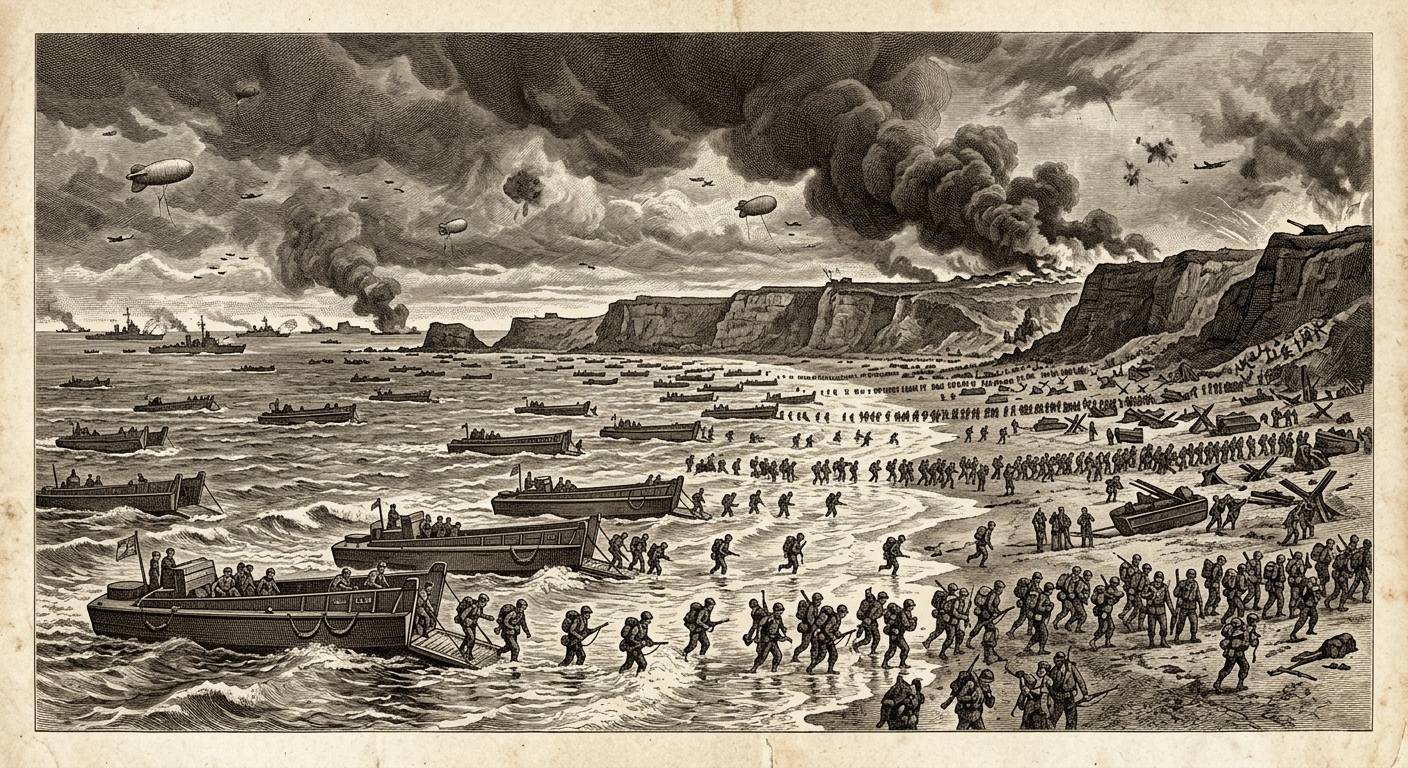
D-Day — Normandy Invasion
Allied forces storm the beaches of Normandy, France, on June 6 in the largest seaborne invasion in history.
Why it mattered: Opening a Western Front forced Germany to fight on two sides at once, accelerating the collapse of the Nazi regime.
- 1945
V-E Day — Germany Surrenders
Germany surrenders unconditionally on May 8, ending the war in Europe.
Why it mattered: With Hitler dead and Nazi Germany defeated, the war in Europe was over — V-E Day was celebrated across the Allied world.
- 1945
Atomic Bombs on Japan
The United States drops atomic bombs on the Japanese cities of Hiroshima on August 6 and Nagasaki on August 9.
Why it mattered: The unprecedented destruction — each bomb destroyed most of a city — convinced Japan's leaders to agree to surrender.
- 1945
V-J Day — Japan Surrenders
Japan formally surrenders on the deck of the USS Missouri on September 2, ending World War II.
Why it mattered: The most destructive war in human history was over; the Allied victory reshaped the world for generations to come.
World War II Quiz
Check what you learned — read on screen, or use the Printable quiz button above for a worksheet version with an answer key.
What event brought the United States into World War II?
- A) Germany's invasion of Poland
- B) The fall of France
- C) Japan's surprise attack on Pearl Harbor
- D) The Battle of Midway
Which country did Germany invade in 1939 to start World War II?
- A) France
- B) Britain
- C) Poland
- D) The Soviet Union
What was D-Day?
- A) Japan's attack on the US fleet
- B) Germany's invasion of the Soviet Union
- C) The Allied invasion of the beaches of Normandy, France
- D) The day Germany surrendered
What turned the tide in the Pacific in 1942?
- A) D-Day
- B) The Battle of Midway
- C) The Battle of Stalingrad
- D) V-J Day
What happened on V-E Day, May 8, 1945?
- A) Japan attacked Pearl Harbor
- B) D-Day began
- C) The atomic bombs were dropped
- D) Germany surrendered, ending the war in Europe
On which two Japanese cities did the US drop atomic bombs?
- A) Tokyo and Osaka
- B) Berlin and Munich
- C) Hiroshima and Nagasaki
- D) Kyoto and Yokohama
Why was the Battle of Stalingrad a turning point?
- A) It brought the US into the war
- B) It opened the Western Front in France
- C) Germany's defeat there began its long retreat on the Eastern Front
- D) It ended the war in the Pacific
When did World War II officially end?
- A) May 8, 1945
- B) June 6, 1944
- C) August 6, 1945
- D) September 2, 1945
Show answer key
1. C · 2. C · 3. C · 4. B · 5. D · 6. C · 7. C · 8. D
Related timelines
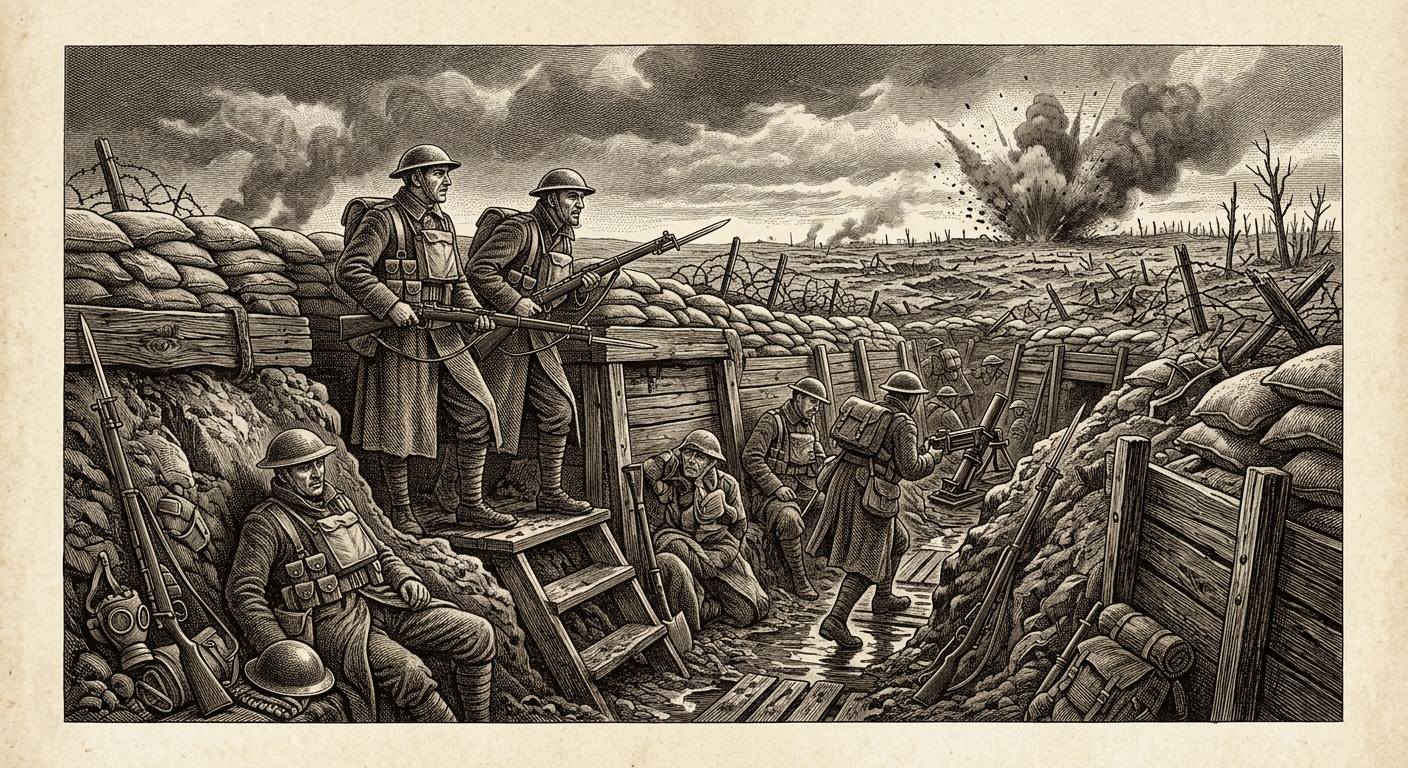 World War I Timeline — World War I was a global war fought mainly in Europe from 1914 to 1918. The United States stayed neutral for three years before entering on the Allied side in 1917. Open →
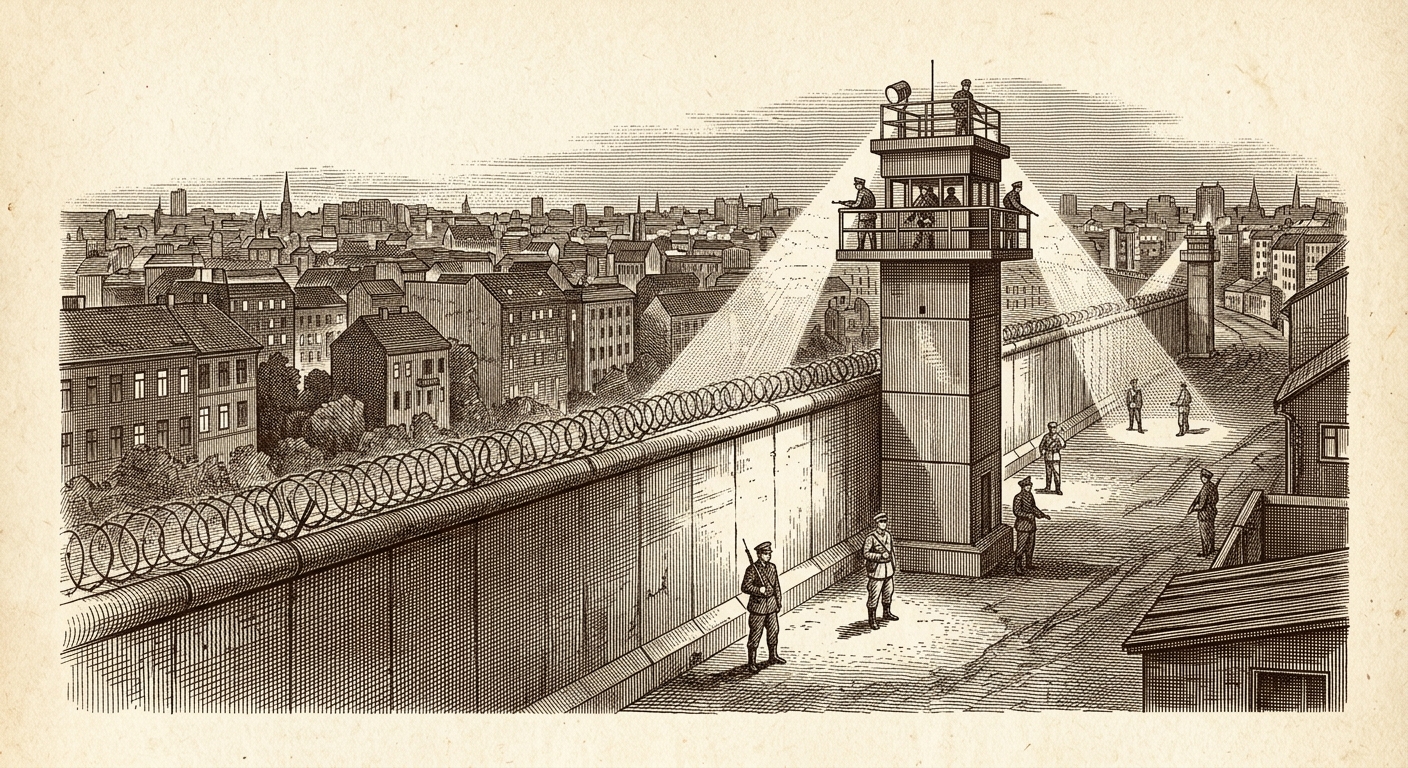 Cold War Timeline — The Cold War was a decades-long rivalry between the United States and the Soviet Union, fought through arms races, proxy wars, and the constant threat of nuclear destruction. Open →
How to print
Choose Download PDF for a ready-to-print timeline that fits US Letter paper (8.5 × 11"). The blank fill-in version keeps the dates and gives students empty lines to write each event — great for review and quizzes.
Frequently asked questions
When was World War II?
World War II lasted from September 1, 1939, when Germany invaded Poland, to September 2, 1945, when Japan formally surrendered. The United States entered the war on December 8, 1941, the day after Japan's attack on Pearl Harbor.
Why did the US enter World War II?
Japan's surprise attack on the US naval base at Pearl Harbor, Hawaii, on December 7, 1941, killed more than 2,400 Americans and destroyed much of the Pacific fleet. Congress declared war on Japan the next day, and Germany and Italy declared war on the United States days later, pulling America into both the Pacific and European fronts.
What paper size should I print this on?
The timeline is sized for standard US Letter paper (8.5 × 11 in.). The Download PDF button gives you a print-ready file that fits the page automatically.