Industrial Revolution Timeline
The Industrial Revolution transformed the world from a farming society to a factory society, beginning in Britain and spreading across Europe and America.
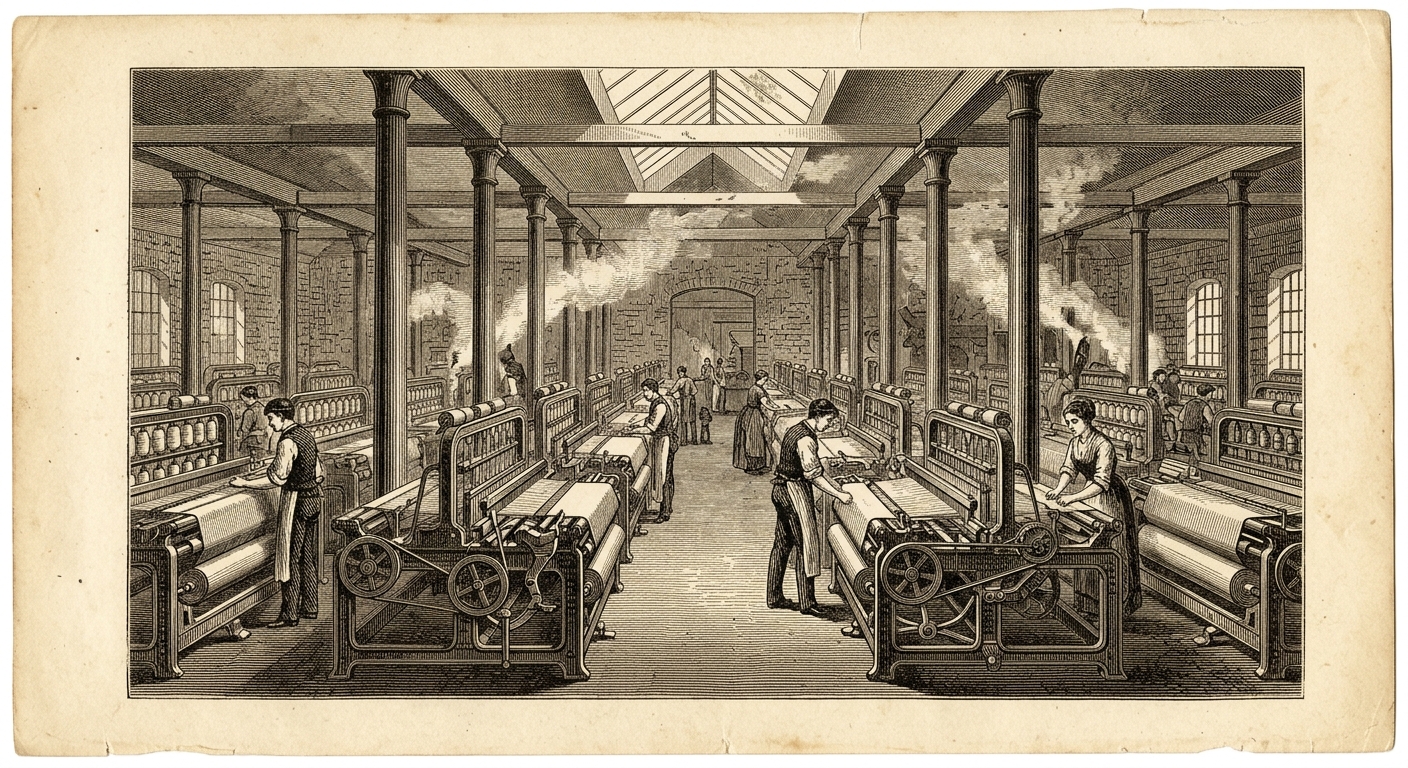
For most of human history, almost everything was made by hand — cloth was woven on small looms, iron was hammered by blacksmiths, and people and goods moved by horse and foot. Then, in the mid-1700s in Britain, a series of inventions began to change everything. New machines could spin and weave cloth faster than any human hand. Steam engines powered those machines — and eventually locomotives and ships. Factories brought workers together under one roof, and cities grew rapidly as people left farms for factory jobs. By the early 1800s, the Industrial Revolution had transformed not just how things were made, but how people lived, worked, and moved across the world.
- 1764
The Spinning Jenny
James Hargreaves invents a machine that can spin many threads at once, replacing slow hand-spinning.
Why it mattered: The Spinning Jenny was one of the first machines to replace human hand work with mechanical power — a crucial first step in the industrial transformation of manufacturing.
- 1769
Watt's Steam Engine
James Watt patents a greatly improved steam engine that is efficient enough to power factories and machinery.
Why it mattered: Watt's steam engine was the driving force of the Industrial Revolution — it freed factories from rivers and waterwheels and made large-scale mechanical production possible almost anywhere.
- 1769
Arkwright's Water Frame
Richard Arkwright patents the water frame, a powerful textile machine, and opens one of the world's first factories in Cromford, England.
Why it mattered: Arkwright's factory model — gathering workers and machines under one roof — became the blueprint for industrial production around the world.
- 1785
Power Loom
Edmund Cartwright invents the power loom, mechanizing the weaving of cloth.
Why it mattered: Weaving, once slow hand work, became fast and mechanical — dramatically lowering the cost of fabric and transforming the textile industry.
- 1804
First Steam Locomotive
Richard Trevithick builds and runs the world's first steam-powered locomotive on an iron track in Wales.
Why it mattered: Trevithick's locomotive proved that steam power could move heavy loads on land — setting the stage for the railway revolution that would follow.
- 1807
Steamboat
Robert Fulton's Clermont makes the first successful commercial steamboat voyage up the Hudson River in New York.
Why it mattered: Steam-powered boats transformed river and ocean travel, moving people and goods faster than ever before across North America and Europe.
- 1825
First Public Railway
The Stockton and Darlington Railway opens in England as the world's first steam-powered public passenger railway.
Why it mattered: Regular passenger rail service began here — within decades, railways would crisscross Britain, Europe, and North America, shrinking the world.
- 1830s
Factory Cities Grow
Millions of workers leave farming villages to take factory jobs; cities like Manchester, Birmingham, and Pittsburgh grow rapidly.
Why it mattered: The shift from rural to urban life transformed how people worked and lived — creating the modern industrial working class and setting the stage for labor reform movements.
- 1833
Factory Act
Britain passes a law limiting child labor in textile factories, banning children under nine from working in mills.
Why it mattered: The Factory Act was one of the first laws protecting industrial workers — the beginning of a slow movement toward labor rights and workplace safety regulations.
- 1840
The Railway Age
A national railway network links British cities, slashing travel times from days to hours and transforming the economy.
Why it mattered: The railway network unified the nation, allowed factory goods to reach any market quickly, and changed the rhythms of daily life — the world had never moved so fast.
Industrial Revolution Quiz
Check what you learned — read on screen, or use the Printable quiz button above for a worksheet version with an answer key.
What was the Spinning Jenny?
- A) A steam-powered boat
- B) A machine that could spin many threads at once, replacing hand spinning
- C) A type of factory building
- D) James Watt's improved steam engine
What made James Watt's steam engine so important?
- A) It was the first engine to use coal
- B) It powered the first locomotive
- C) It was efficient enough to power factories and machinery, freeing them from rivers and waterwheels
- D) It was the first engine small enough to fit inside a factory
What did Richard Arkwright's factory at Cromford establish?
- A) The world's first steam-powered ship
- B) The blueprint for industrial factories — gathering workers and machines under one roof
- C) The world's first public railway
- D) The first child labor protection law
What did Richard Trevithick build in 1804?
- A) The first steam-powered ship
- B) The world's first steam locomotive
- C) The first power loom
- D) The first public railway line
What was significant about the Stockton and Darlington Railway in 1825?
- A) It was the first to use steam power in a locomotive
- B) It was the world's first public steam passenger railway
- C) It connected Britain's entire national railway network
- D) It replaced the spinning jenny in textile factories
What effect did factories have on where people lived?
- A) People moved back to farms in large numbers
- B) Cities grew rapidly as millions of workers left farming for factory jobs
- C) Britain's cities stayed small and agriculture-based
- D) The Industrial Revolution spread population evenly across the countryside
What did Britain's Factory Act of 1833 do?
- A) Funded the building of the national railway
- B) Banned all steam-powered machinery in cities
- C) Limited child labor in textile factories, banning children under nine from mill work
- D) Required all factory workers to live near their workplace
What was the biggest effect of the railways by 1840?
- A) They replaced factories as the main form of industry
- B) They unified the national economy and cut travel times from days to hours
- C) They caused workers to leave cities and return to farming
- D) They were too expensive for most manufacturers to use
Show answer key
1. B · 2. C · 3. B · 4. B · 5. B · 6. B · 7. C · 8. B
See it on the map
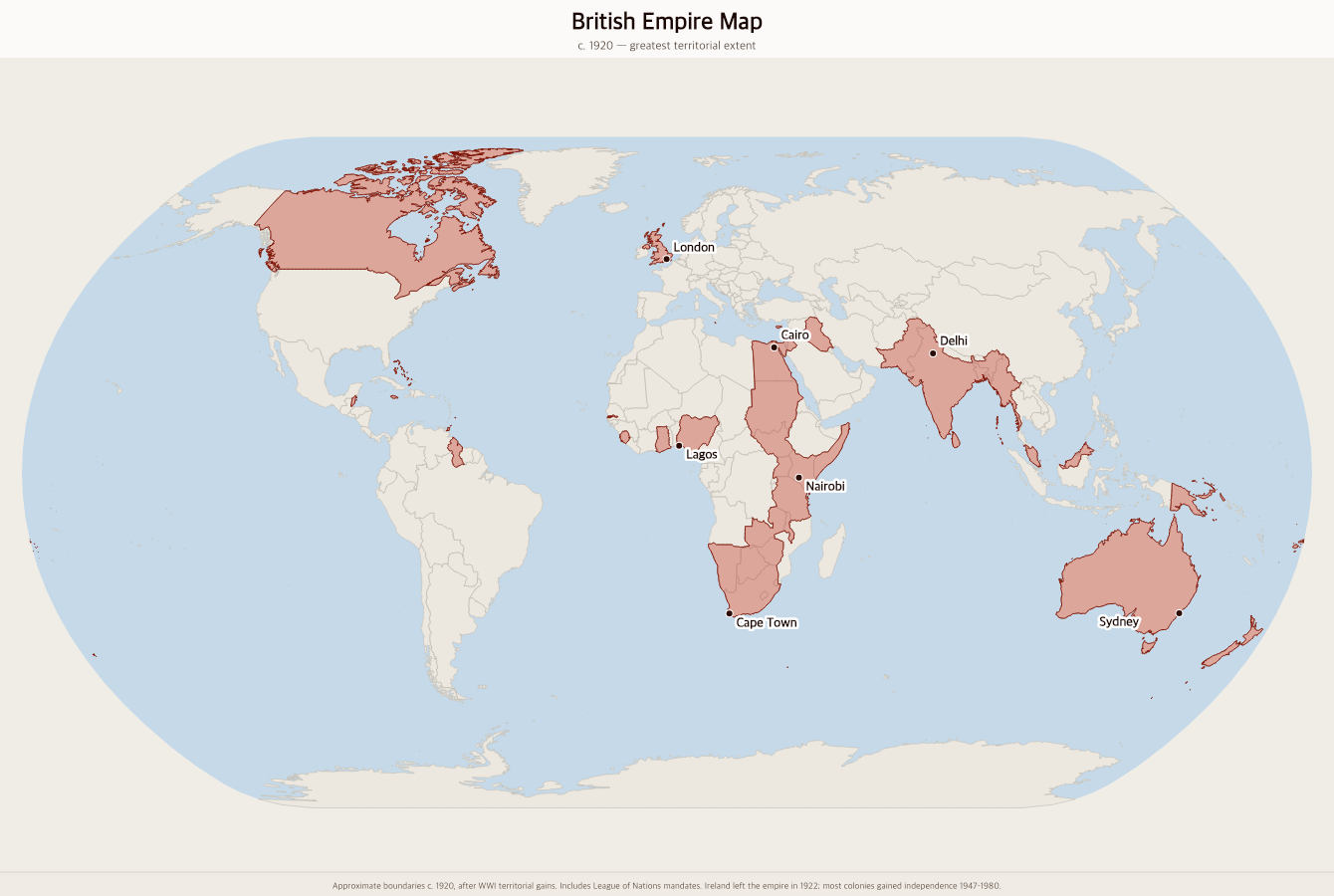 Pair this timeline with our printable The British Empire map — see the empire that spanned a quarter of the Earth's surface. Open the map →
Related timelines
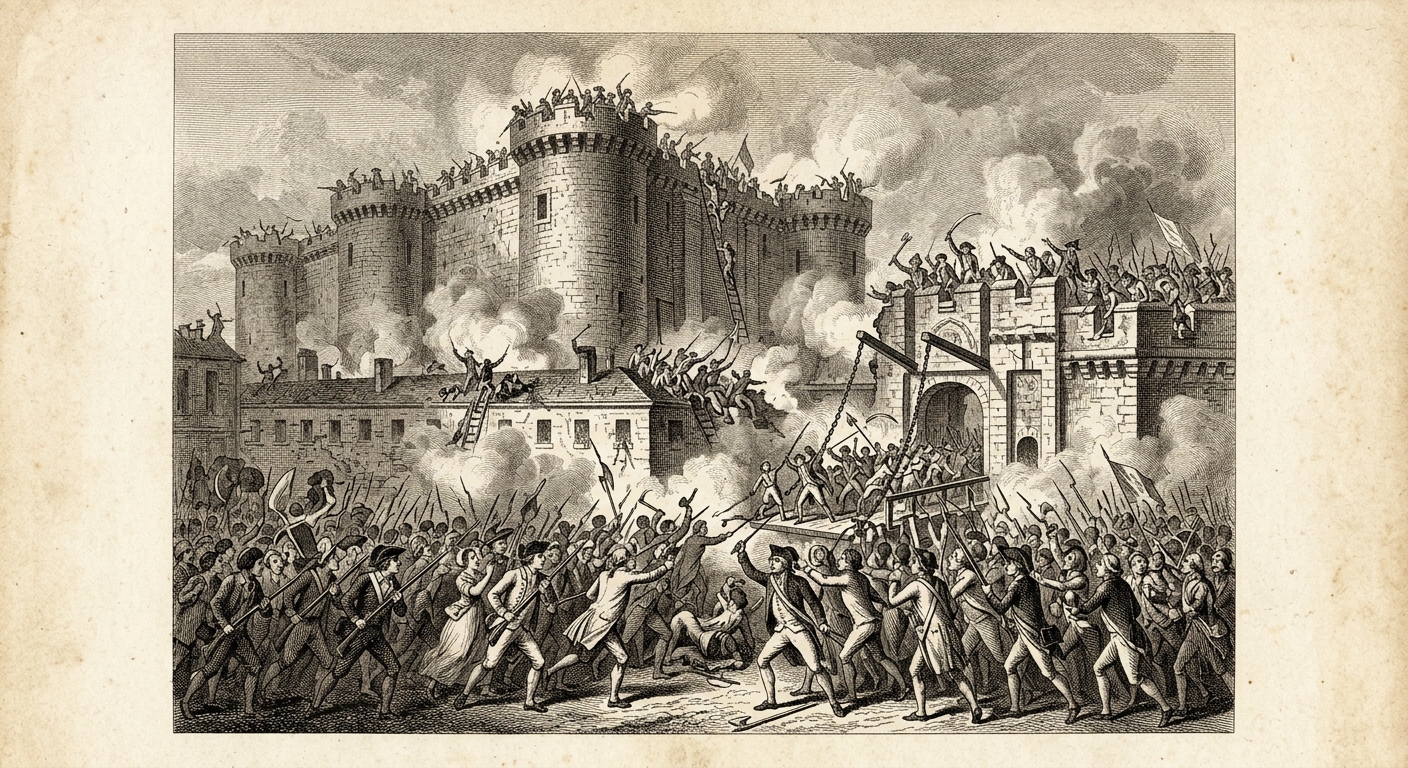 French Revolution Timeline — The French Revolution overthrew the monarchy and transformed France, spreading ideas of liberty and equality that changed politics across Europe and the world. Open →
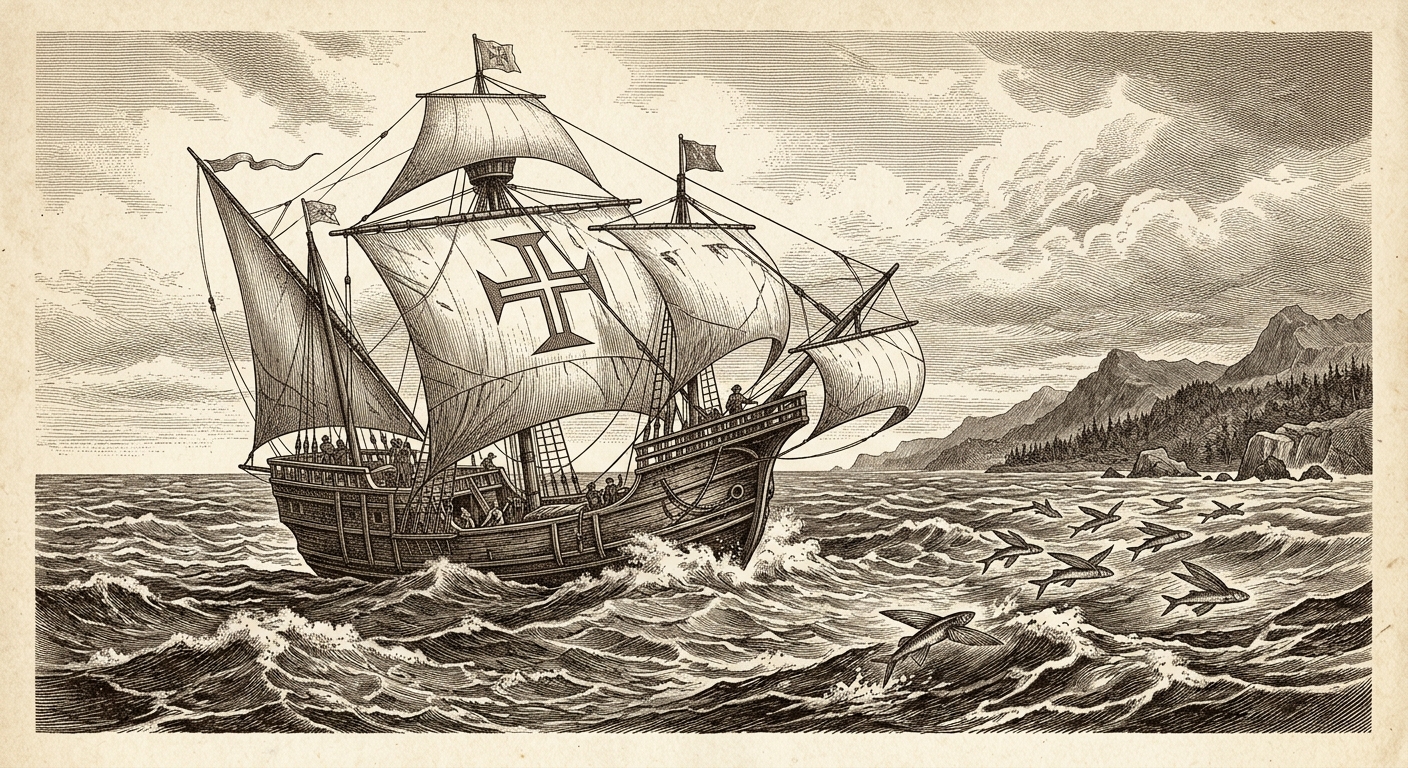 Age of Exploration Timeline — The Age of Exploration was the period when European sailors mapped the world, opening sea routes to Asia, reaching the Americas, and beginning a new era of global trade — and colonization. Open →
How to print
Choose Download PDF for a ready-to-print timeline that fits US Letter paper (8.5 × 11"). The blank fill-in version keeps the dates and gives students empty lines to write each event — great for review and quizzes.
Frequently asked questions
Where did the Industrial Revolution begin?
The Industrial Revolution began in Britain in the mid-1700s, where a combination of factors came together: plentiful coal and iron ore, a tradition of practical invention, growing colonial trade, and a large workforce available to work in factories. From Britain it spread to Western Europe and North America through the early 1800s.
How did the Industrial Revolution change daily life?
The Industrial Revolution fundamentally transformed how people lived: millions moved from farming in the countryside to factory work in crowded cities. Goods that once took skilled craftspeople days to make could be produced cheaply and quickly by machines. Railways and steamships shrank distances. The pace of life accelerated — and the modern urban, industrial world we still live in began to take shape.
What paper size should I print this on?
The timeline is sized for standard US Letter paper (8.5 × 11 in.). The Download PDF button gives you a print-ready file that fits the page automatically.