Age of Exploration Timeline
The Age of Exploration was the period when European sailors mapped the world, opening sea routes to Asia, reaching the Americas, and beginning a new era of global trade — and colonization.
For centuries, Europe's only way to reach the spices and silks of Asia was overland through the Middle East — expensive, slow, and controlled by Arab and Ottoman traders. In the early 1400s, Portuguese sailors began systematically exploring the African coast, looking for a sea route to Asia. Their success inspired Spain, and then England, France, and the Netherlands. Columbus's 1492 voyage revealed two continents nobody in Europe knew existed. Magellan's crew became the first to circle the entire globe. Within a century, European ships had mapped much of the world's coastlines — and European empires had begun to claim, conquer, and exploit vast territories, transforming the lives of hundreds of millions of people forever.
- 1418
Portugal Pioneers Exploration
Prince Henry the Navigator of Portugal establishes a school of navigation and funds expeditions down the African coast.
Why it mattered: Portugal pioneered ocean exploration, developing the ships, charts, and navigational tools that made long sea voyages possible — a decade-long investment that changed the world.
- 1488
Dias Rounds Africa
Portuguese explorer Bartolomeu Dias becomes the first European to sail around the southern tip of Africa.
Why it mattered: Rounding the Cape of Good Hope proved that Europe and Asia could be connected by sea — breaking the Arab monopoly on the spice trade and launching a new age of commerce.
- 1492
Columbus Reaches the Americas
Christopher Columbus, sailing for Spain, crosses the Atlantic and reaches islands in the Caribbean on October 12.
Why it mattered: Columbus's voyages opened permanent contact between Europe and the Americas — transforming both worlds and beginning two centuries of European colonization of the Western Hemisphere.
- 1498
Da Gama Reaches India
Portuguese navigator Vasco da Gama sails around Africa and reaches India, completing the first sea route from Europe to Asia.
Why it mattered: Da Gama's route made Portugal enormously wealthy and broke the overland trade monopoly, opening a new era of direct European commerce with Asia.
- 1507
America Named
German mapmaker Martin Waldseemuller publishes a map naming the new continents America, after Italian explorer Amerigo Vespucci.
Why it mattered: The name stuck — the continents that Columbus had called the Indies were now called America in print, fixing the word permanently in world geography.
- 1513
Balboa Sees the Pacific
Spanish explorer Vasco Nunez de Balboa crosses Panama and becomes the first European to see the Pacific Ocean from the Americas.
Why it mattered: Seeing the Pacific from the Americas suggested the true scale of the globe — between Europe and Asia lay two enormous continents and an ocean no European had yet crossed.
- 1519–22
Magellan Circumnavigates the Globe
Ferdinand Magellan's expedition sets sail to circle the world; Magellan is killed in the Philippines, but his crew completes the voyage.
Why it mattered: Circumnavigating the globe proved the Earth was round and demonstrated its true scale — one of the most transformative voyages in human history.
- 1521
Conquest of the Aztec Empire
Spanish conquistador Hernan Cortes conquers the Aztec Empire in Mexico, claiming it for Spain.
Why it mattered: Spain gained vast wealth, but millions of indigenous people died from war and European diseases — the conquest was the beginning of the end for pre-Columbian civilizations.
- 1532
Conquest of the Inca Empire
Francisco Pizarro conquers the Inca Empire in South America with a small force of Spanish soldiers.
Why it mattered: Spain now controlled most of Central and South America, extracting enormous wealth while devastating indigenous civilizations through war, disease, and forced labor.
- ~1600
A Connected World
European nations have established trade routes and colonies across Africa, Asia, and the Americas, linking the world economy for the first time.
Why it mattered: The Age of Exploration created the first truly global economy — but also brought colonization, disease that devastated indigenous peoples, and the Atlantic slave trade.
Age of Exploration Quiz
Check what you learned — read on screen, or use the Printable quiz button above for a worksheet version with an answer key.
Who pioneered ocean exploration in the early 1400s?
- A) Spain, through Columbus
- B) England, through John Cabot
- C) Portugal, through Prince Henry the Navigator
- D) Italy, through Amerigo Vespucci
What was the significance of Columbus's 1492 voyage?
- A) He was the first European to sail around Africa
- B) He opened permanent contact between Europe and the Americas
- C) He proved the Earth was round
- D) He established the first sea route to India
Why was Vasco da Gama's voyage to India in 1498 important?
- A) He discovered the Americas
- B) He opened a sea route from Europe to India, ending the Arab monopoly on the spice trade
- C) He was the first European to see the Pacific Ocean
- D) He circumnavigated the globe
What did Magellan's expedition prove?
- A) That the Americas were two separate continents
- B) That India could be reached by sailing around Africa
- C) That the Earth could be circumnavigated, showing its true size
- D) That the Aztec Empire could be conquered by Spain
How did the Americas get their name?
- A) Columbus named them after his home city of Genoa
- B) A mapmaker named them after Italian explorer Amerigo Vespucci
- C) The indigenous peoples gave them the name
- D) The Spanish crown named them after Ferdinand and Isabella
What happened when Spain conquered the Aztec Empire in 1521?
- A) The Aztecs joined the Spanish empire voluntarily
- B) Spain gained wealth but millions of indigenous people died from war and European diseases
- C) Spain and Portugal divided the Americas equally
- D) The conquest failed and Spain withdrew from the Americas
What was Balboa the first European to see in 1513?
- A) The coast of Africa beyond the Cape of Good Hope
- B) The Aztec capital city of Tenochtitlan
- C) The Pacific Ocean from the American continent
- D) The mouth of the Amazon River
What was the long-term global impact of the Age of Exploration?
- A) It proved the Earth was flat
- B) It created a global economy connected by trade routes, but also brought colonization, disease, and the slave trade
- C) It ended European interest in Asian trade routes
- D) It brought lasting peace between the European powers
Show answer key
1. C · 2. B · 3. B · 4. C · 5. B · 6. B · 7. C · 8. B
See it on the map
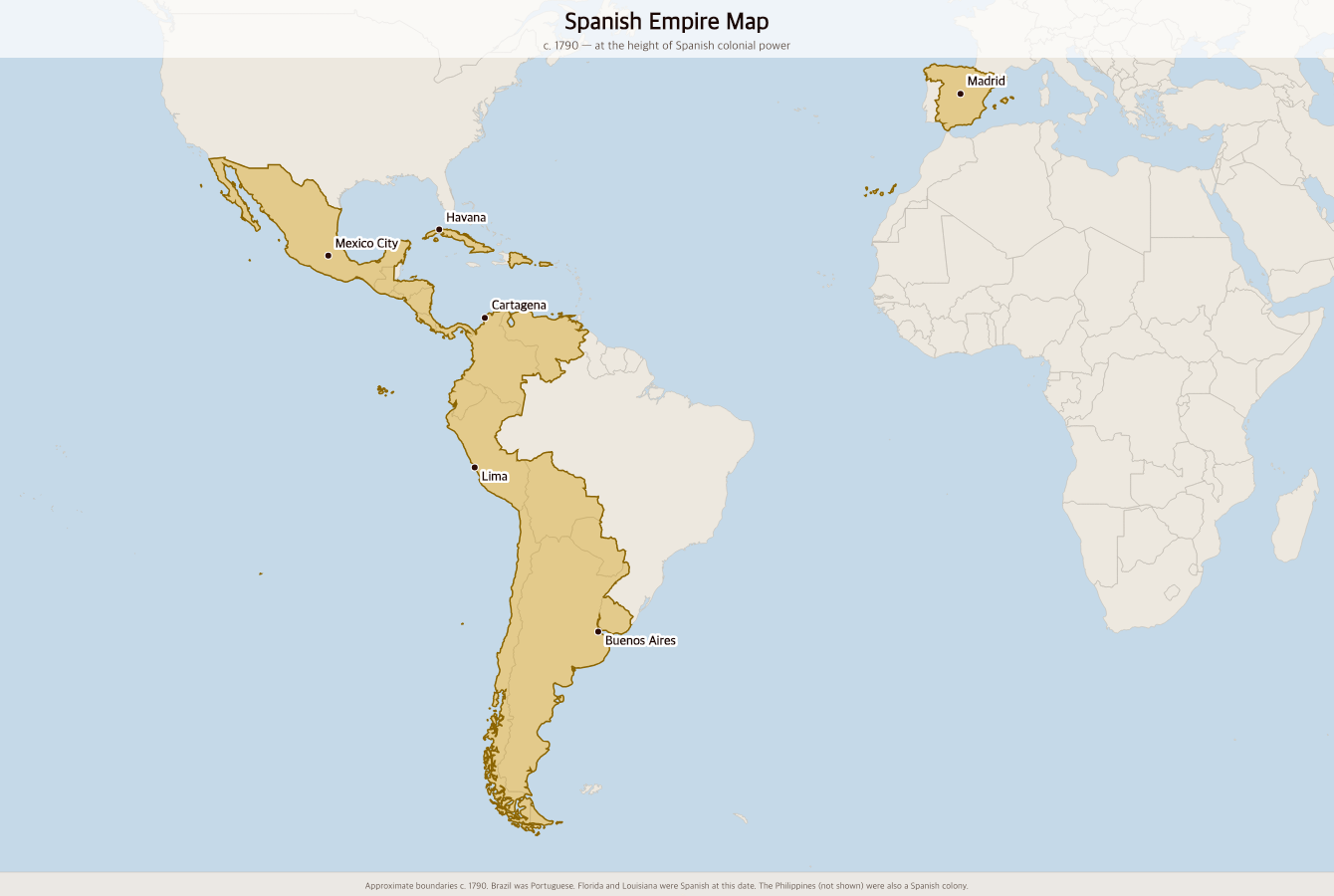 Pair this timeline with our printable The Spanish Empire map — see the vast colonial empire that Spain built across the Americas. Open the map →
Related timelines
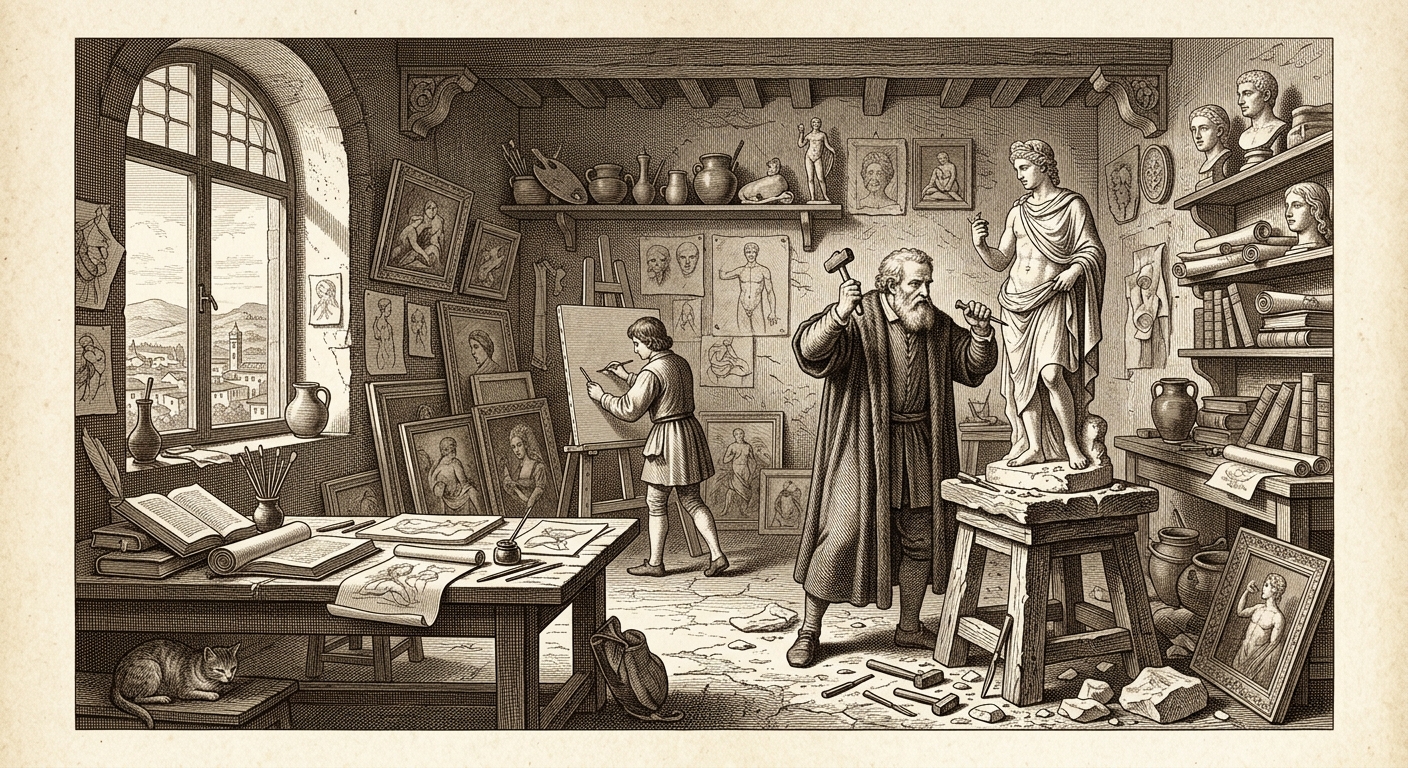 Renaissance Timeline — The Renaissance was a rebirth of art, learning, and science in Europe, beginning in Italy and spreading across the continent — bridging the Middle Ages and the modern world. Open →
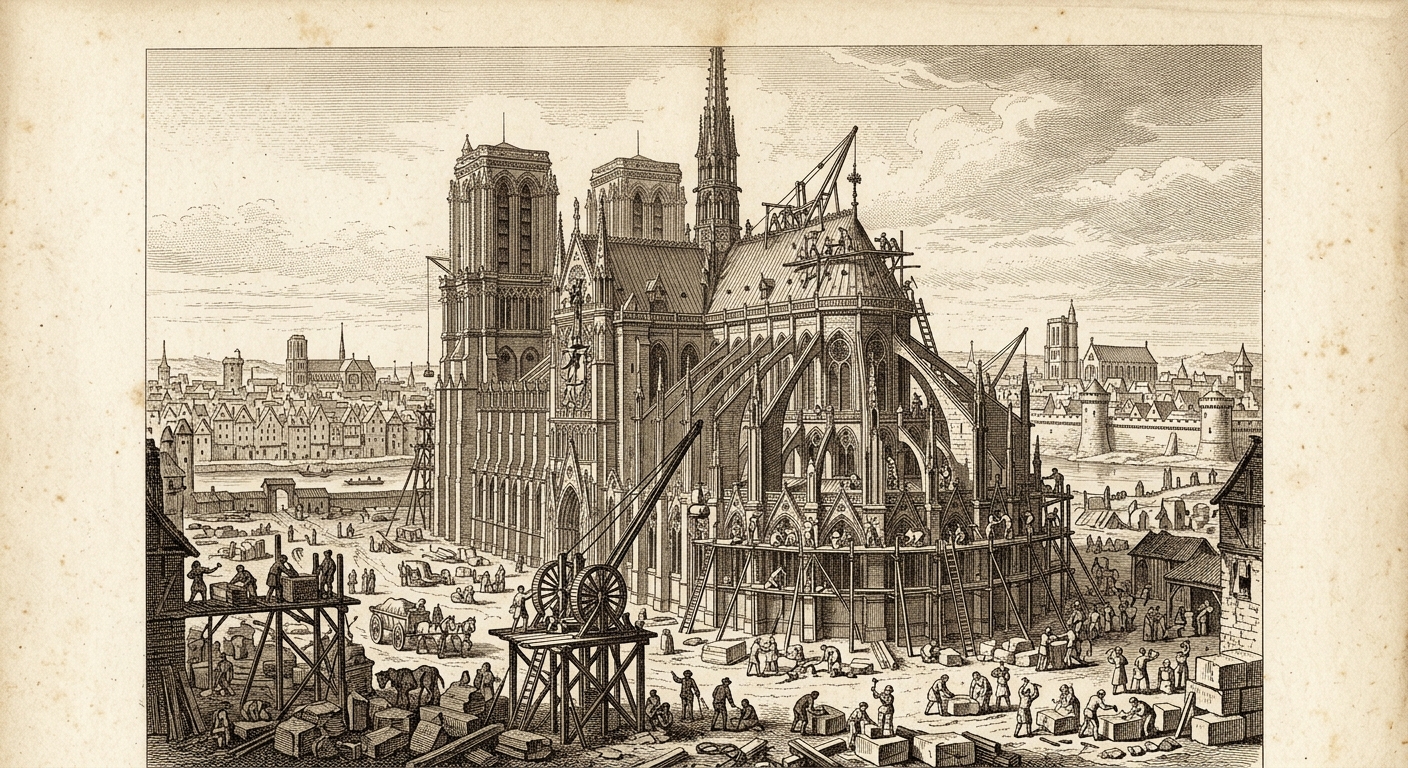 Middle Ages Timeline — The Middle Ages lasted roughly a thousand years after the fall of Rome, shaped by feudalism, the Catholic Church, crusades, and plagues — ending on the eve of the Renaissance. Open →
How to print
Choose Download PDF for a ready-to-print timeline that fits US Letter paper (8.5 × 11"). The blank fill-in version keeps the dates and gives students empty lines to write each event — great for review and quizzes.
Frequently asked questions
What was the Age of Exploration?
The Age of Exploration (roughly 1400 to 1600) was a period when European nations — especially Portugal and Spain, followed by England, France, and the Netherlands — sent ships to explore and map Africa, Asia, and the Americas. It was driven by the desire for new trade routes, wealth, and land, and it fundamentally changed the world by connecting civilizations that had previously been isolated from each other.
What was the impact of European exploration on indigenous peoples?
The impact on indigenous peoples was devastating. European diseases such as smallpox, to which indigenous people had no immunity, killed tens of millions — in some regions wiping out up to 90% of the population. Conquest and colonization brought forced labor, the destruction of cultures, and displacement from ancestral lands. The transatlantic slave trade, which grew directly from the colonial system, forcibly transported millions of Africans to the Americas.
What paper size should I print this on?
The timeline is sized for standard US Letter paper (8.5 × 11 in.). The Download PDF button gives you a print-ready file that fits the page automatically.