World War I Timeline
World War I was a global war fought mainly in Europe from 1914 to 1918. The United States stayed neutral for three years before entering on the Allied side in 1917.
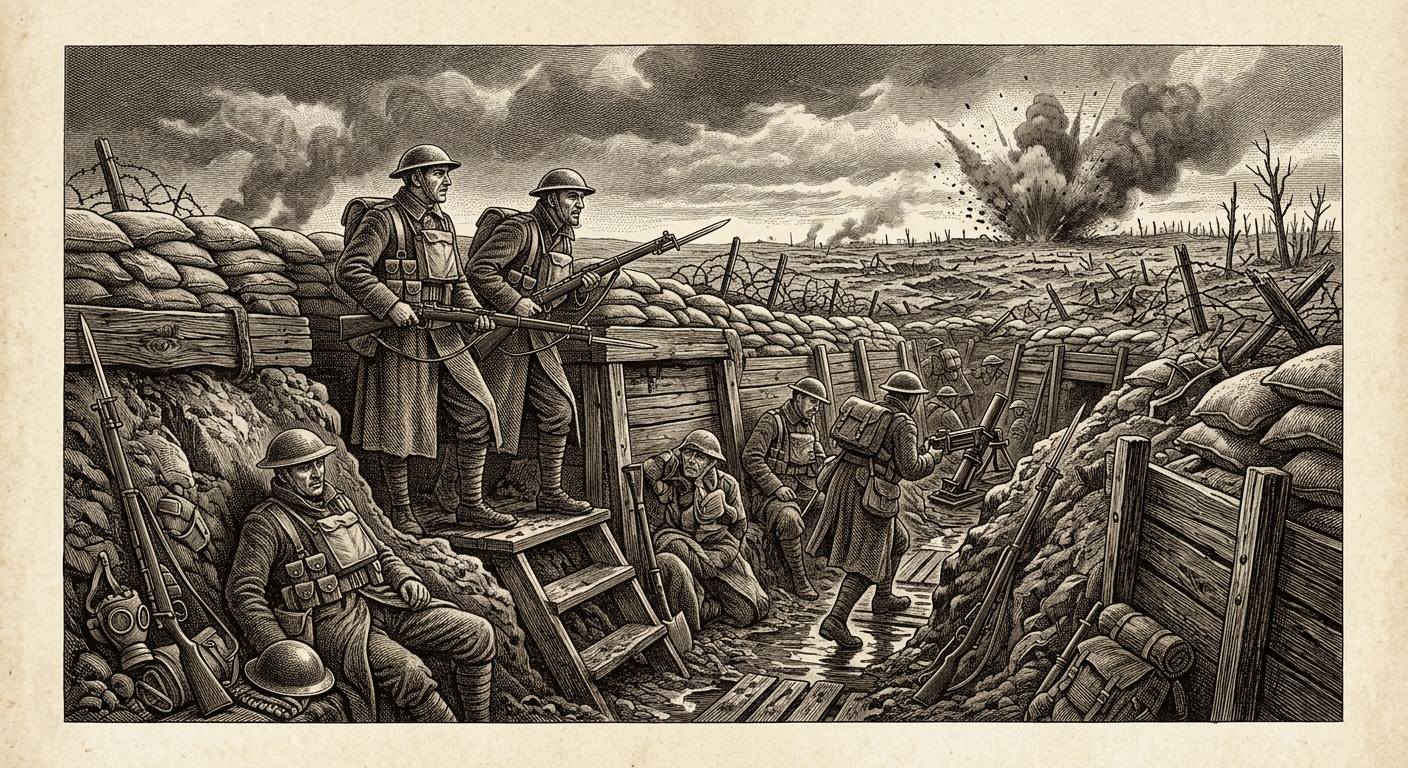
World War I began in the summer of 1914, when a single gunshot in Sarajevo set off a chain reaction across Europe. Within weeks, a web of alliances pulled most of the major powers into war. Armies dug hundreds of miles of trenches across France and Belgium and fought over the same muddy ground for years, sometimes advancing just a few yards at a cost of thousands of lives. The United States stayed neutral for three years, but when German submarines began attacking American ships and Germany secretly tried to enlist Mexico as an ally against the US, America joined the Allies in 1917. Fresh American troops helped break the stalemate, and an armistice ended the fighting on November 11, 1918.
- 1914
Assassination of Franz Ferdinand
Archduke Franz Ferdinand, heir to the Austro-Hungarian throne, is shot in Sarajevo on June 28, triggering a chain reaction through Europe's alliances.
Why it mattered: Within weeks the assassination pulled most of Europe's major powers into the deadliest war the world had yet seen.
- 1914
War Begins
Germany, Austria-Hungary, and their allies go to war against France, Britain, and Russia in August.
Why it mattered: Armies dug hundreds of miles of trenches across France and Belgium — the grinding trench warfare that would define the war had begun.
- 1915
Sinking of the Lusitania
A German submarine sinks the British ocean liner Lusitania in May, killing nearly 1,200 people including 128 Americans.
Why it mattered: American deaths turned US public opinion sharply against Germany and began pushing the country toward entering the war.
- 1916
Battle of the Somme
A massive Allied offensive on the Somme River in France lasts four months and produces more than a million casualties on both sides.
Why it mattered: The Somme — one of the bloodiest battles in history — showed the terrible human cost of trench warfare and shook public confidence in the war's leadership.
- 1916
Battle of Verdun
German and French forces fight for nearly ten months near Verdun, France, in the longest battle of the war.
Why it mattered: With roughly 700,000 casualties and almost no territory gained on either side, Verdun became a symbol of the war's terrible waste.
- 1917
United States Enters the War
Germany resumes attacks on American ships and is caught secretly urging Mexico to attack the US. Congress declares war on Germany in April.
Why it mattered: About two million fresh US troops eventually crossed to Europe, giving the exhausted Allies the reinforcements needed to tip the balance.
- 1917
Russian Revolution
Revolution sweeps Russia, the tsar is overthrown, and a new government pulls Russia out of the war in December.
Why it mattered: Germany could move troops from the Eastern Front to France — but the revolution showed the war was pushing nations to the breaking point.
- 1918
Germany's Last Offensive
Germany launches a massive spring offensive hoping to win before US troops arrive in full force.
Why it mattered: The offensive gained ground at first but exhausted Germany's last reserves — when it stalled, the Allies launched a counterattack that would not stop.
- 1918
Allied Advance
Allied forces drive Germany back across France and Belgium through the summer and fall, breaking through the German lines.
Why it mattered: Germany's army was crumbling, its allies were surrendering, and revolution was spreading at home — the war was ending.
- 1918
The Armistice
Fighting stops at 11:00 AM on November 11 — the eleventh hour of the eleventh day of the eleventh month.
Why it mattered: After more than four years and an estimated 20 million deaths, World War I was over. The peace treaty would redraw the map of Europe and plant the seeds of the next world war.
World War I Quiz
Check what you learned — read on screen, or use the Printable quiz button above for a worksheet version with an answer key.
What event sparked World War I in 1914?
- A) Germany invaded France
- B) The sinking of the Lusitania
- C) The assassination of Archduke Franz Ferdinand
- D) The Russian Revolution
What was trench warfare?
- A) Fighting at sea with submarines
- B) Air combat between biplane fighters
- C) Soldiers fighting from long defensive ditches dug into the ground
- D) A new type of tank battle
What ship did Germany sink in 1915, helping turn US opinion against Germany?
- A) The Titanic
- B) The Lusitania
- C) The Maine
- D) The Arizona
When did the United States enter World War I?
- A) 1914
- B) 1915
- C) 1916
- D) 1917
What happened during the Russian Revolution of 1917?
- A) Russia declared war on the US
- B) Russia's tsar was overthrown and Russia left the war
- C) Germany surrendered
- D) The armistice was signed
Why was the Battle of the Somme so significant?
- A) It was the battle that ended the war
- B) The US Navy was destroyed there
- C) More than a million soldiers were killed or wounded for almost no territory gained
- D) It was the first use of airplanes in war
When did the fighting in World War I stop?
- A) November 11, 1918
- B) April 6, 1917
- C) December 7, 1941
- D) June 28, 1914
Why did the US finally declare war on Germany in 1917?
- A) To help France from the beginning
- B) Because of the assassination of Franz Ferdinand
- C) Germany kept attacking American ships and tried to get Mexico to attack the US
- D) Germany invaded Belgium
Show answer key
1. C · 2. C · 3. B · 4. D · 5. B · 6. C · 7. A · 8. C
Related timelines
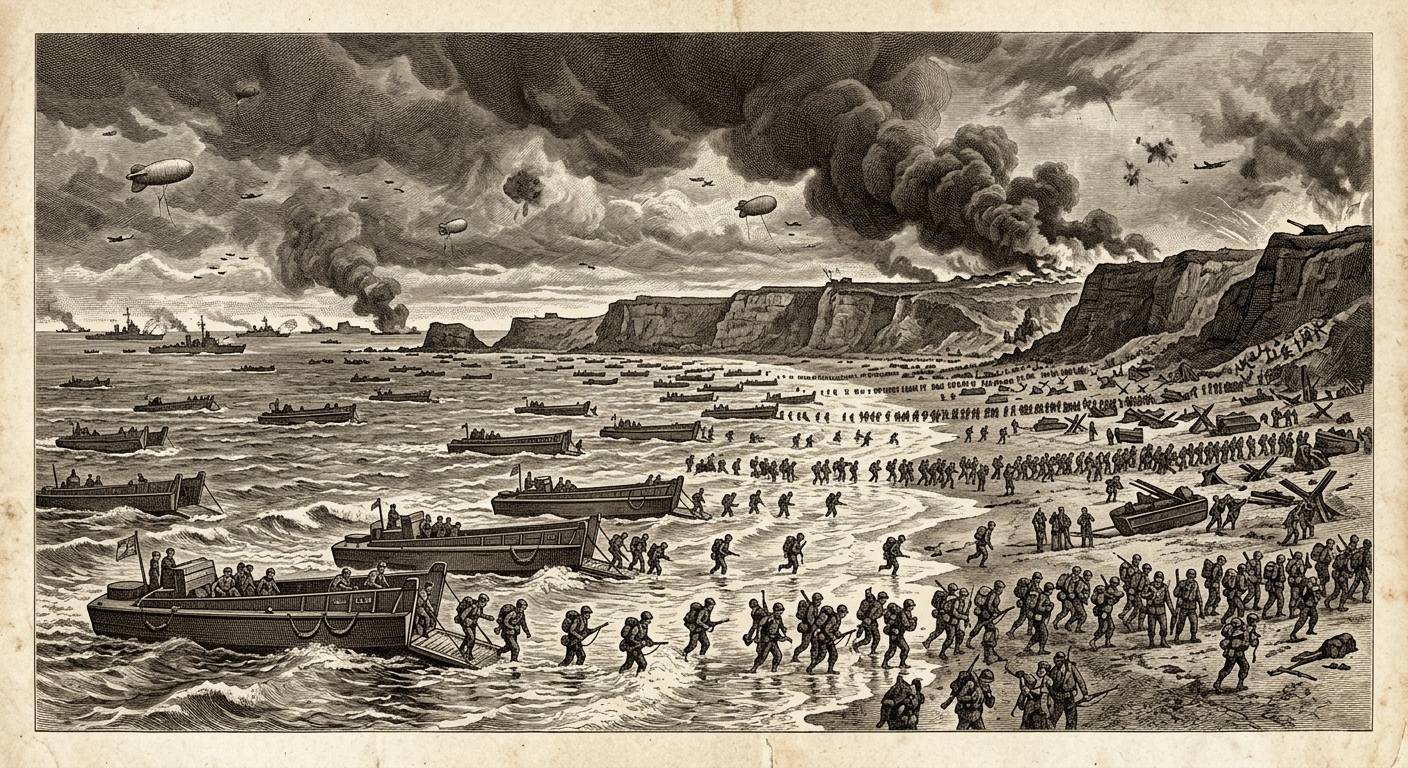 World War II Timeline — World War II was the largest war in history, fought across Europe, Asia, and the Pacific. The United States entered the war in December 1941 after Japan attacked the US naval base at Pearl Harbor. Open →
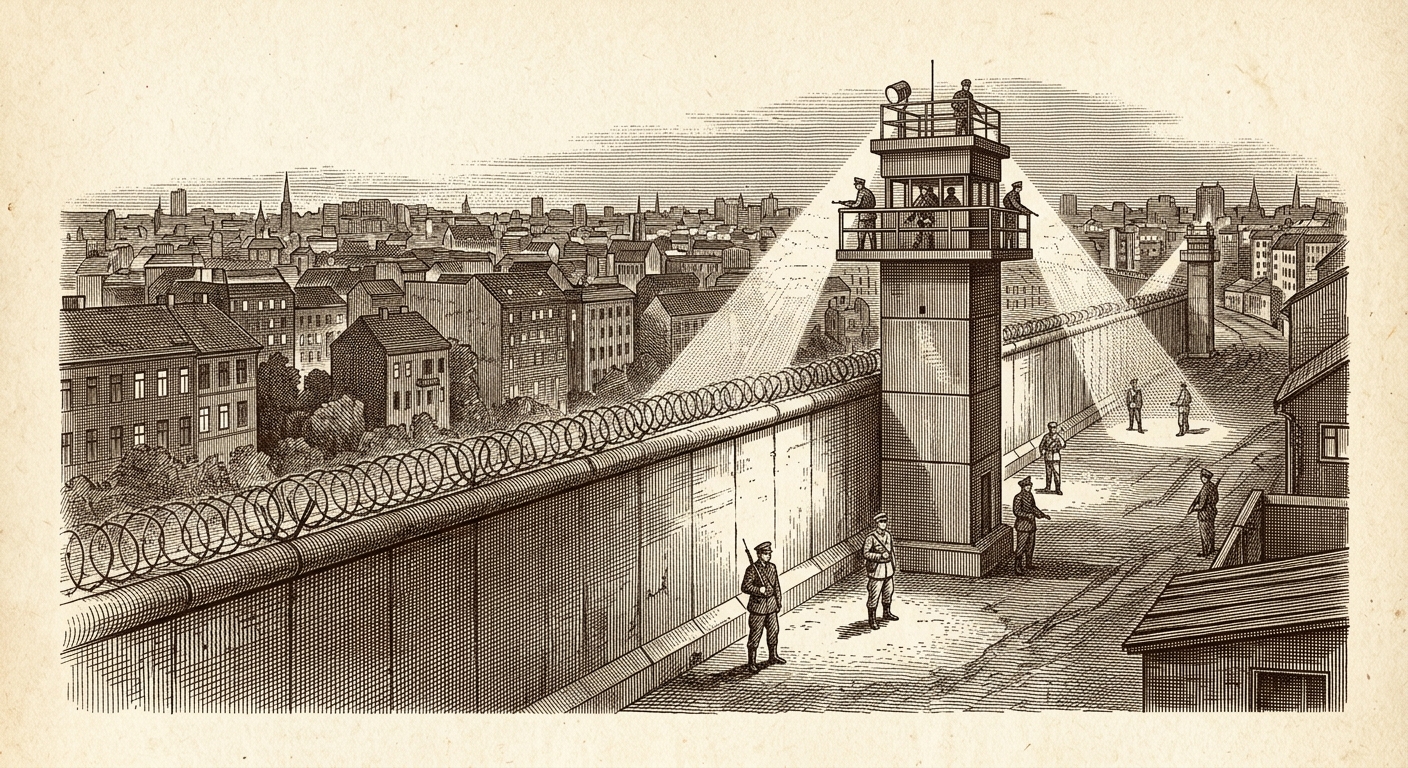 Cold War Timeline — The Cold War was a decades-long rivalry between the United States and the Soviet Union, fought through arms races, proxy wars, and the constant threat of nuclear destruction. Open →
How to print
Choose Download PDF for a ready-to-print timeline that fits US Letter paper (8.5 × 11"). The blank fill-in version keeps the dates and gives students empty lines to write each event — great for review and quizzes.
Frequently asked questions
What caused World War I?
The immediate spark was the assassination of Archduke Franz Ferdinand in June 1914. Deeper causes included a web of European alliances, rising nationalism, imperial rivalry, and a massive arms buildup — so one assassination triggered a chain reaction that pulled most of Europe into war within weeks.
Why did the United States enter World War I?
Germany resumed unrestricted submarine warfare in early 1917, sinking American ships, and was caught trying to convince Mexico to attack the United States (the Zimmermann Telegram). Congress declared war on Germany in April 1917.
What paper size should I print this on?
The timeline is sized for standard US Letter paper (8.5 × 11 in.). The Download PDF button gives you a print-ready file that fits the page automatically.