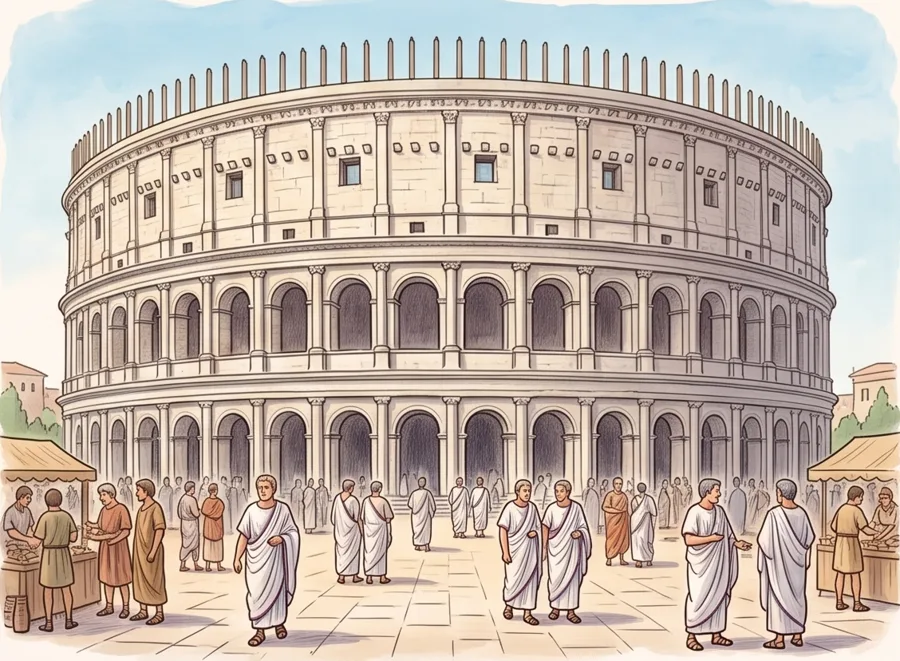
Ancient Rome Timeline for Kids
Rome began as a small village in Italy. It grew into one of the biggest empires the world has ever seen. The Romans built roads, bridges and arenas that still stand today. This timeline shows how Rome rose and fell.
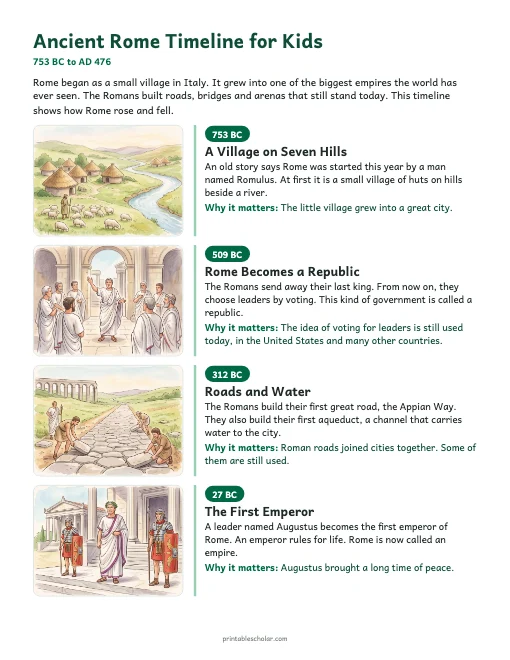
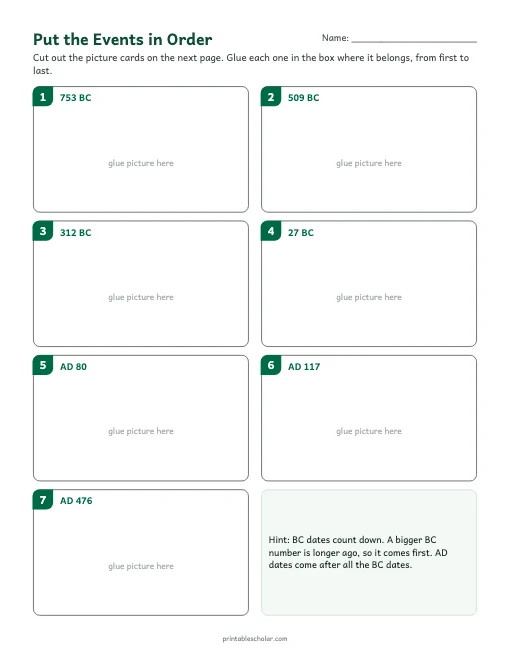
Cut and Order Activity
Cut out the seven picture cards and glue them in order on the timeline.
Download PDF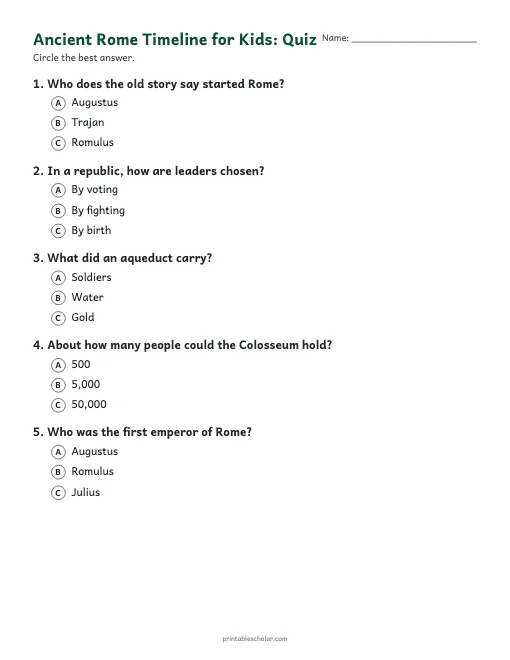
The timeline
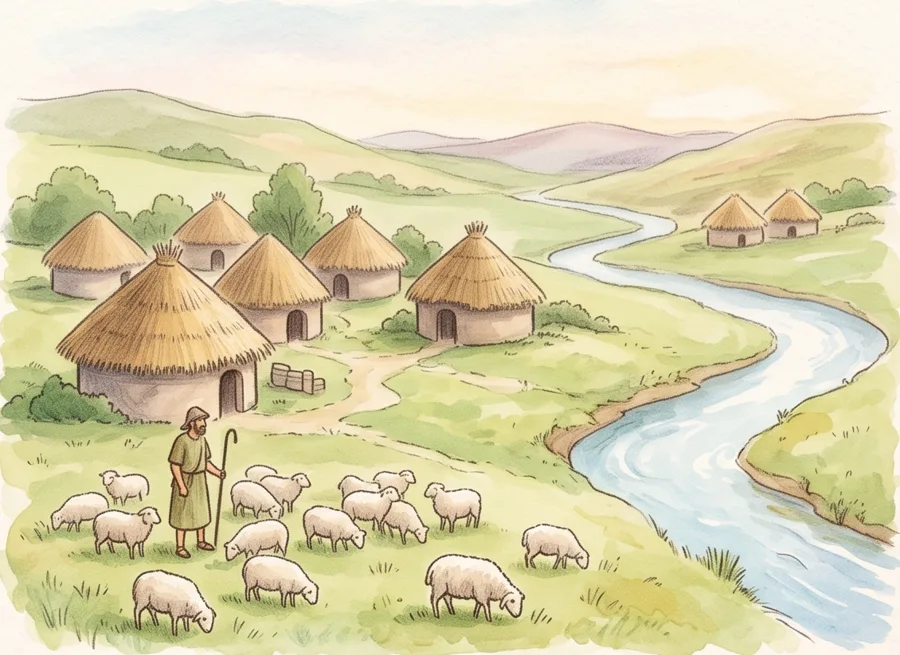 753 BC
A Village on Seven Hills
An old story says Rome was started this year by a man named Romulus. At first it is a small village of huts on hills beside a river.
Why it matters: The little village grew into a great city.
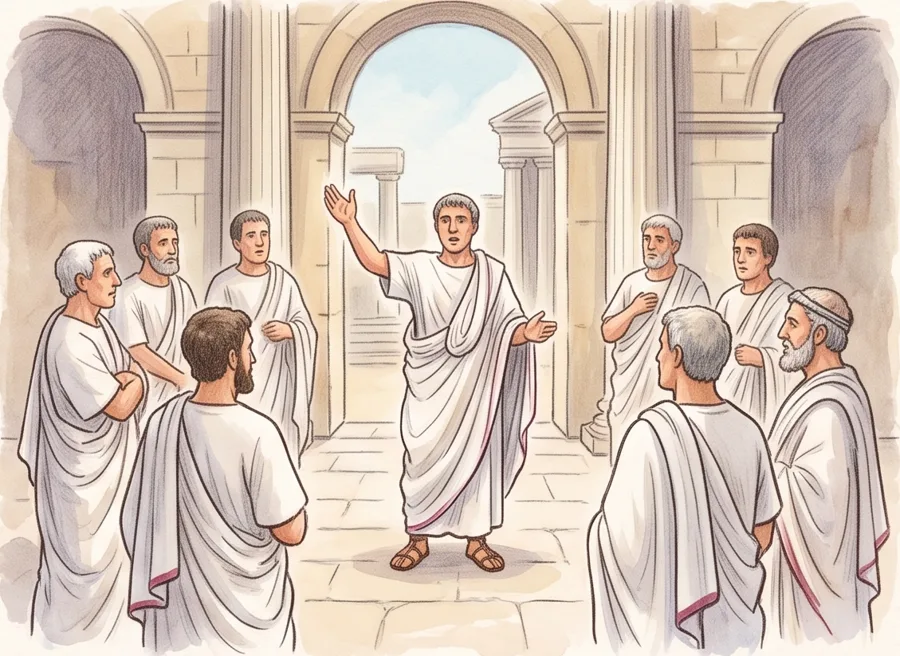 509 BC
Rome Becomes a Republic
The Romans send away their last king. From now on, they choose leaders by voting. This kind of government is called a republic.
Why it matters: The idea of voting for leaders is still used today, in the United States and many other countries.
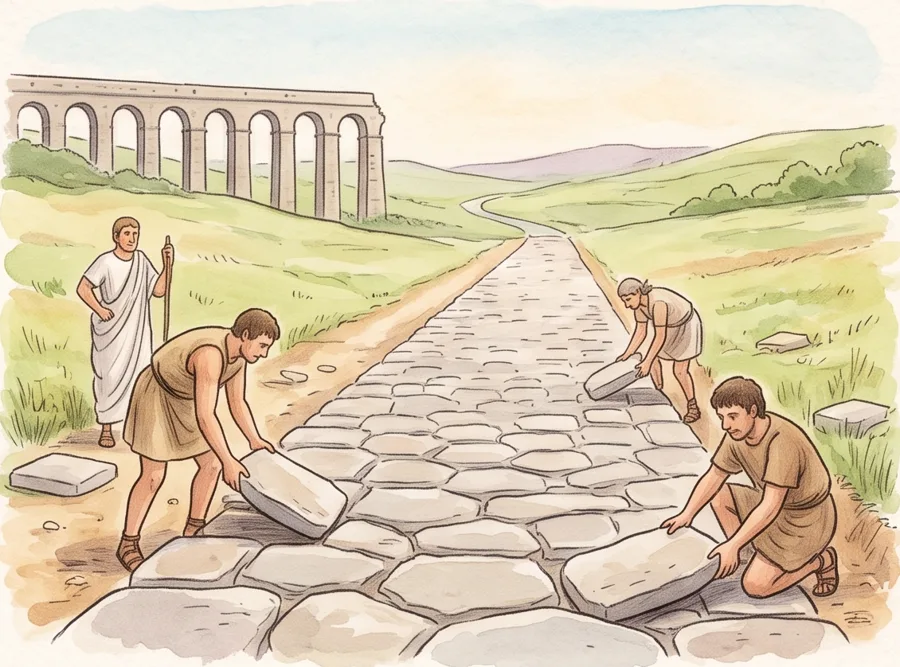 312 BC
Roads and Water
The Romans build their first great road, the Appian Way. They also build their first aqueduct, a channel that carries water to the city.
Why it matters: Roman roads joined cities together. Some of them are still used.
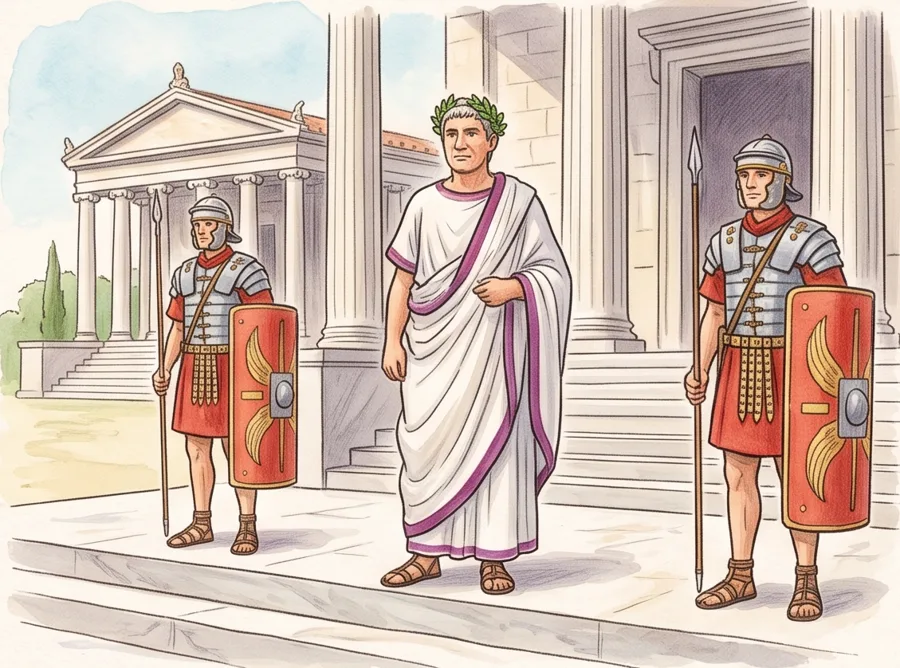 27 BC
27 BCThe First Emperor
A leader named Augustus becomes the first emperor of Rome. An emperor rules for life. Rome is now called an empire.
Why it matters: Augustus brought a long time of peace.
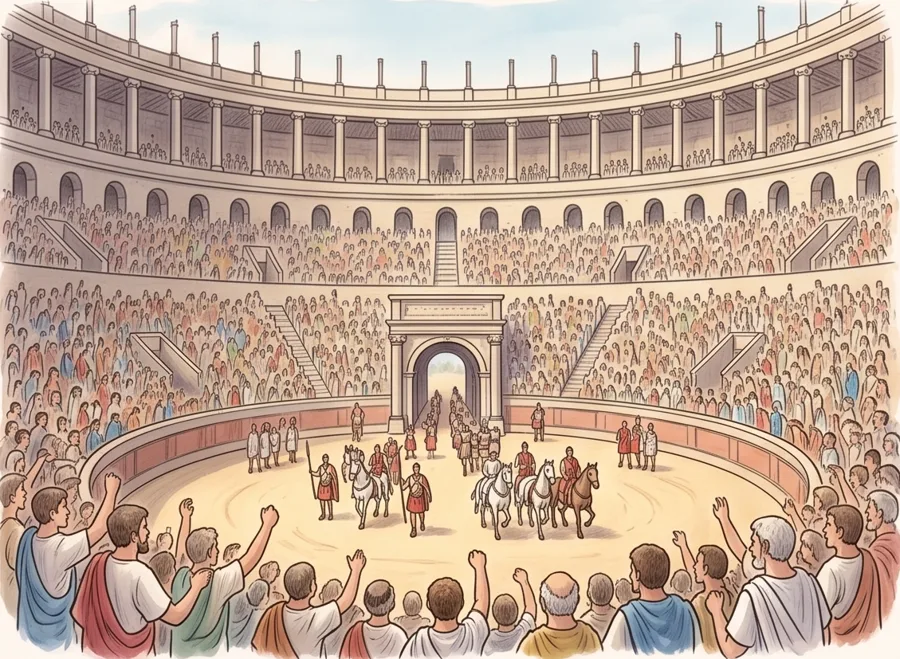 AD 80
AD 80The Colosseum Opens
A huge stone arena called the Colosseum opens in Rome. It holds about 50,000 people. They come to watch shows and contests.
Why it matters: The Colosseum is still standing. Millions of people visit it every year.
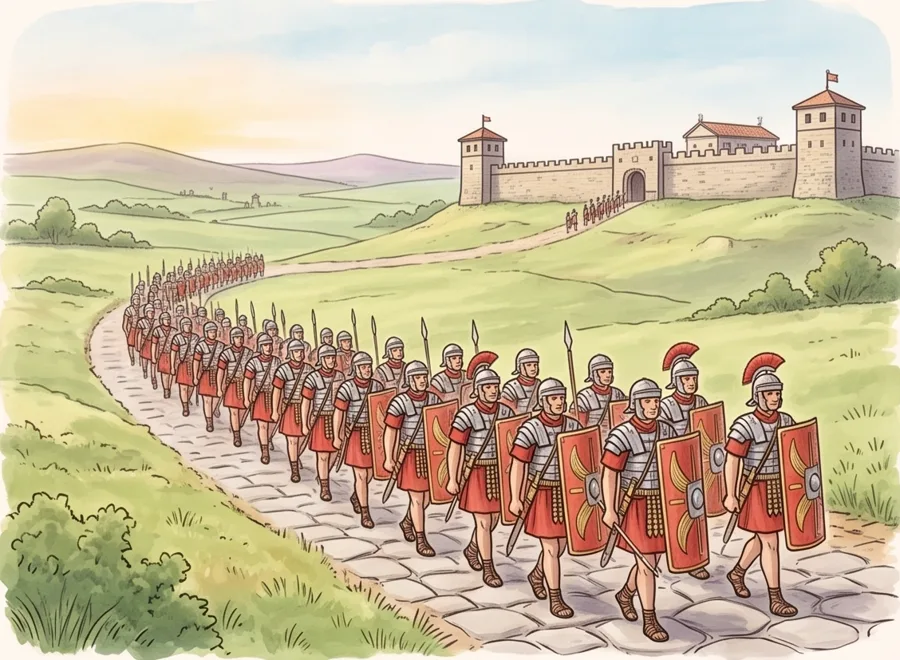 AD 117
The Empire at Its Biggest
Under Emperor Trajan, the Roman Empire is as big as it will ever be. It reaches from Britain in the north to Egypt in the south.
Why it matters: Roman language, laws and buildings spread across three continents.
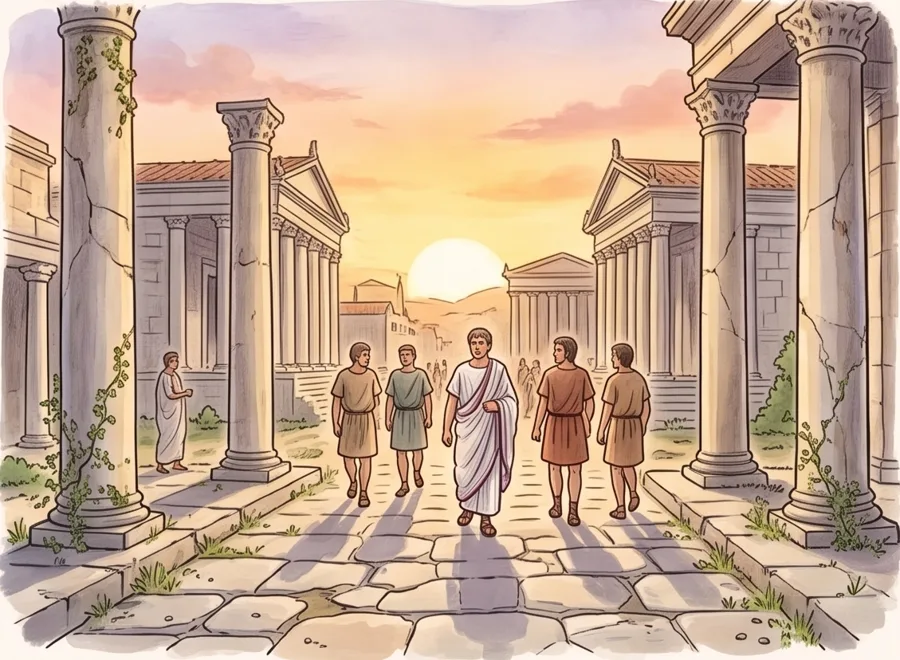 AD 476
The Fall of Rome
Rome has grown weak. Armies from the north take over. The last emperor in Rome loses his throne.
Why it matters: The empire in the west was over, but Roman ideas lived on.
Words to know
- republic: a country where people vote for their leaders
- emperor: a ruler of an empire, who rules for life
- empire: many lands ruled by one leader
- aqueduct: a channel built to carry water over a long way
Quiz
- Who does the old story say started Rome?
A. Augustus B. Trajan C. Romulus - In a republic, how are leaders chosen?
A. By voting B. By fighting C. By birth - What did an aqueduct carry?
A. Soldiers B. Water C. Gold - About how many people could the Colosseum hold?
A. 500 B. 5,000 C. 50,000 - Who was the first emperor of Rome?
A. Augustus B. Romulus C. Julius
Show answers
1. C (Romulus) 2. A (By voting) 3. B (Water) 4. C (50,000) 5. A (Augustus)
The pictures are illustrations made for this timeline. They show what these people and places may have looked like.