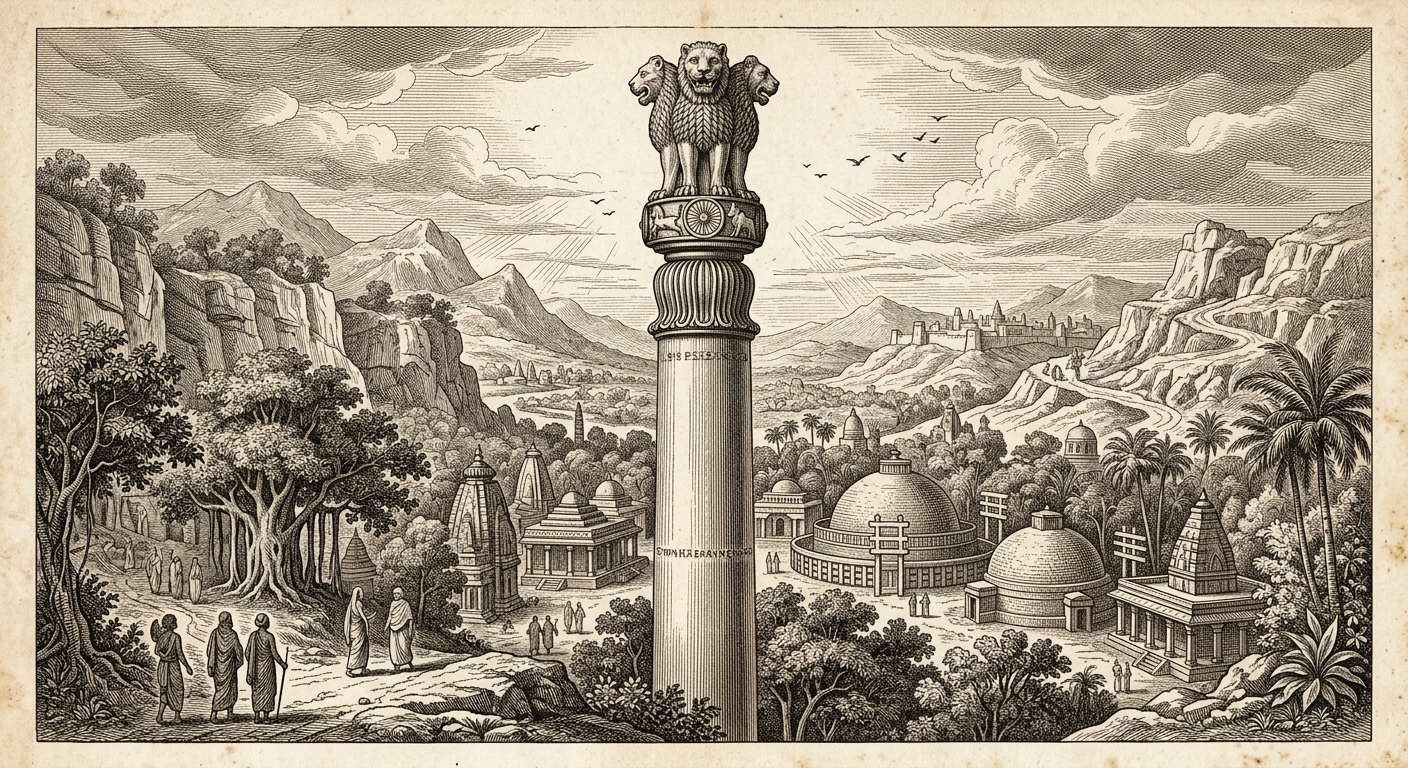
Ancient India Timeline (Indus Valley to Ashoka)
Ancient India was home to one of the world's first urban civilizations — the Indus Valley Civilization — and later gave rise to Hinduism, Buddhism, Jainism, and the Maurya Empire, one of the largest empires of the ancient world.
Long before the Taj Mahal, long before the Mughal Empire, even long before the great Hindu epics were written, people were building some of the world's most sophisticated cities along the banks of the Indus River. The cities of Harappa and Mohenjo-daro had flush toilets, standardized bricks, and grid-planned streets at a time when much of the rest of the world was still in small farming villages. They vanished mysteriously around 1900 BCE — and what came next was just as remarkable. New peoples and new ideas flowed into the subcontinent, producing two of the world's great religions — Hinduism and Buddhism. And by 321 BCE, Chandragupta Maurya had united most of India under a single government. His grandson Ashoka would become one of the ancient world's most remarkable rulers — a conqueror who turned away from war to build one of history's first welfare states, carving his edicts into rock pillars that still stand today.
- c. 2600 BCE
Indus Valley Civilization Flourishes
The cities of Harappa and Mohenjo-daro — each home to tens of thousands of people — are built with sophisticated grid-planned streets, advanced drainage and sewage systems, and standardized weights and measures used for long-distance trade.
Why it mattered: The Indus Valley Civilization was one of the world's first urban civilizations — its cities were larger than those of Mesopotamia or Egypt at the same time, and its standardized trade systems suggest a highly organized society that remains only partially understood.
- c. 1900 BCE
Indus Valley Decline
The great Indus Valley cities are gradually abandoned — the reasons remain debated, with possible causes including climate change, shifting rivers, and disease; people migrate eastward toward the Ganges plain.
Why it mattered: The collapse of the Indus Valley Civilization remains one of history's great mysteries — but the eastward migration spread its cultural legacy into the Ganges region, which became the heartland of later Indian civilization.
- c. 1500 BCE
Vedic Period Begins
Pastoral peoples enter northwestern India, bringing the Sanskrit language and composing the Vedas — the oldest sacred texts of what would become Hinduism — which are transmitted orally for centuries before being written down.
Why it mattered: The Vedic Period laid the foundations of Hinduism, established the Sanskrit literary tradition, and shaped the social structures of Indian civilization for thousands of years — its influence reaches over a billion people today.
- c. 600–500 BCE
Birth of Buddhism and Jainism
Siddhartha Gautama (the Buddha) and Mahavira preach new philosophies of liberation and non-violence in the Ganges plain — teachings that challenge the existing religious hierarchy and spread rapidly across the subcontinent.
Why it mattered: Buddhism and Jainism offered paths to spiritual liberation outside the existing social hierarchy, winning followers across Asia; Buddhism in particular spread from India to become one of the world's major religions, reaching as far as Japan, Korea, and Southeast Asia.
- 321 BCE
Maurya Empire Founded
Chandragupta Maurya, a young general, overthrows the Nanda Dynasty and founds the Maurya Empire — the first to unify most of the Indian subcontinent under a single government.
Why it mattered: The Maurya Empire was the first major political unification of India — it created a model of centralized administration and diplomacy (including one of history's first treatises on statecraft, the Arthashastra) that influenced Indian rulers for centuries.
- 305 BCE
Treaty with Seleucus
Chandragupta defeats the Macedonian Seleucid king who controls much of Persia and Afghanistan, winning the northwestern territories and establishing the Maurya Empire as a major power recognized by the Greek world.
Why it mattered: The treaty with Seleucus connected India to the Greek world for the first time since Alexander's invasion — establishing trade and diplomatic relations that brought Indian ideas and goods into contact with the Mediterranean world.
- 269–232 BCE
Ashoka the Great
After winning a brutal war that kills hundreds of thousands, Emperor Ashoka converts to Buddhism, renounces further conquest, sends missionaries across Asia, carves his edicts on pillars and rocks throughout the empire, and promotes welfare, non-violence, and religious tolerance.
Why it mattered: Ashoka was one of the ancient world's most remarkable rulers — by spreading Buddhism across Asia and establishing principles of non-violence and tolerance as state policy, he shaped the religious landscape of half the continent; his pillars, still standing in India today, are among the ancient world's most extraordinary surviving monuments.
Ancient India Quiz
Check what you learned — read on screen, or use the Printable quiz button above for a worksheet version with an answer key.
What was remarkable about the cities of the Indus Valley Civilization?
- A) They were built entirely of wood and mud brick, with no stone construction
- B) They had sophisticated grid-planned streets, advanced drainage systems, and standardized weights — making them among the world's most advanced early cities
- C) They were the first cities in the world to use a written alphabet
- D) They were built as military fortresses along the Indus River to defend against invasion
Why did the Indus Valley Civilization decline around 1900 BCE?
- A) It was conquered by the armies of Mesopotamia from the west
- B) The exact cause is debated, but possible factors include climate change, shifting rivers, and disease — the cities were gradually abandoned
- C) It was destroyed in a single catastrophic flood of the Indus River
- D) It was conquered by Chandragupta Maurya, who unified India under one empire
What are the Vedas?
- A) The legal code of the Maurya Empire, written on stone pillars by Emperor Ashoka
- B) Standardized weights and measures used by Indus Valley merchants for long-distance trade
- C) The oldest sacred texts of Hinduism, composed in Sanskrit during the Vedic Period beginning around 1500 BCE
- D) The mathematical and astronomical texts produced by scholars at the Maurya capital of Pataliputra
Who was Siddhartha Gautama?
- A) The founder of the Maurya Empire, who unified most of India under one government
- B) A Vedic scholar who composed the earliest Sanskrit hymns
- C) The historical figure who became known as the Buddha after achieving enlightenment and teaching non-violence and liberation
- D) The Seleucid king who signed a peace treaty with Chandragupta Maurya
What did Chandragupta Maurya accomplish?
- A) He composed the Vedas and established Hinduism as India's state religion
- B) He founded the first empire to unify most of the Indian subcontinent under a single government
- C) He introduced Buddhism to China, Korea, and Southeast Asia
- D) He built the cities of Harappa and Mohenjo-daro along the Indus River
What changed about Emperor Ashoka after his great war?
- A) He expanded his empire even further, conquering southeastern Asia
- B) He converted to Buddhism, renounced further conquest, and devoted his reign to non-violence, welfare, and religious tolerance
- C) He signed a peace treaty with Alexander the Great's successor and gave back conquered territory
- D) He returned to Hinduism and built a series of great temples across his empire
How did Buddhism spread beyond India?
- A) Traders along the Silk Road carried Buddhist texts to China, where the emperor converted and spread it further
- B) Ashoka sent missionaries across Asia after his own conversion, and later rulers and traders spread Buddhism further — eventually reaching China, Japan, Korea, and Southeast Asia
- C) Alexander the Great brought Buddhist teachers back to Greece, where the philosophy spread across the Mediterranean
- D) Buddhism spread only to neighboring kingdoms through Maurya military conquest
What connected the Indus Valley Civilization to later Indian civilizations?
- A) Written records passed down through thousands of years of continuous history
- B) The people who migrated eastward after the Indus Valley's decline carried cultural practices into the Ganges plain, the heartland of later Hindu and Buddhist civilizations
- C) The Vedic texts recorded the full history of the Indus Valley Civilization for later scholars
- D) The great cities of Harappa and Mohenjo-daro were rebuilt and continuously occupied until the Maurya period
Show answer key
1. B · 2. B · 3. C · 4. C · 5. B · 6. B · 7. B · 8. B
Related timelines
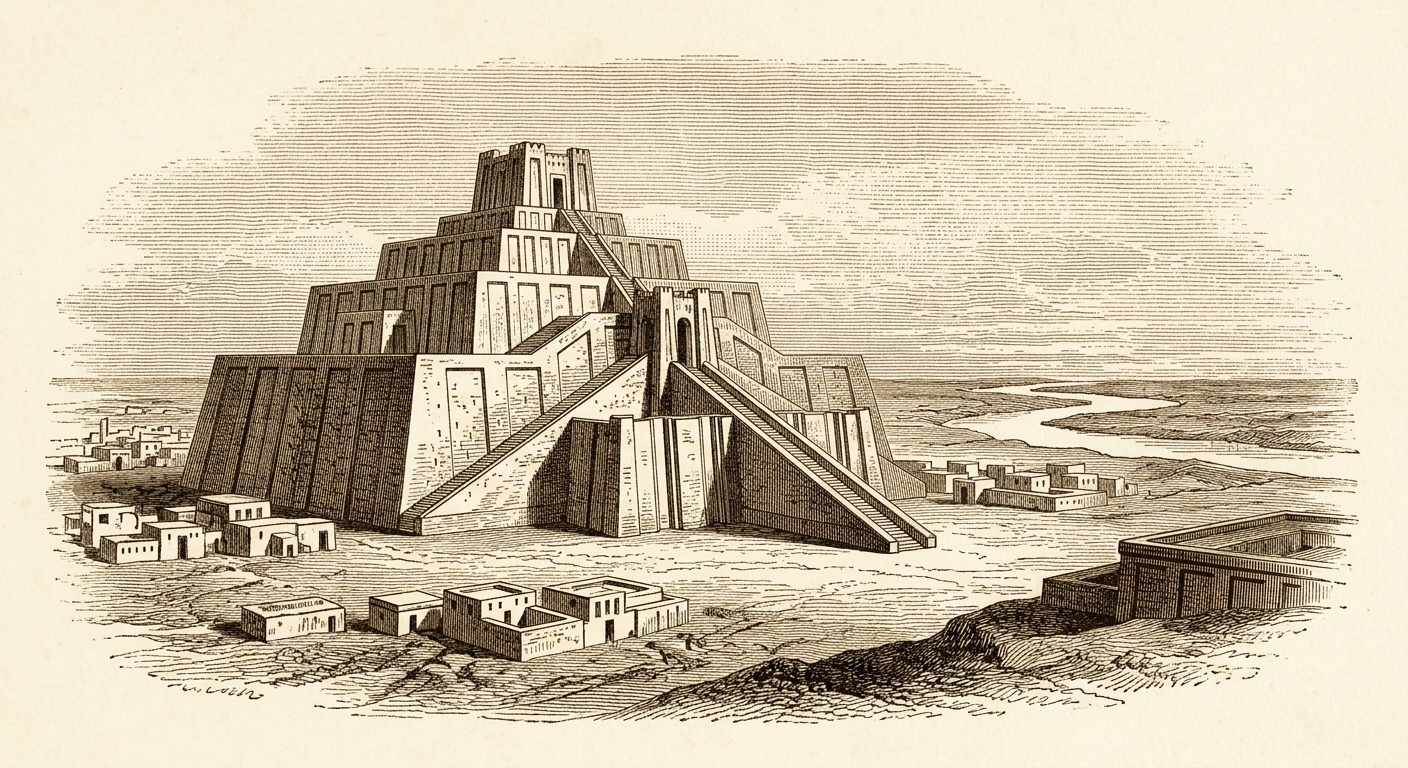 Ancient Mesopotamia Timeline — Ancient Mesopotamia — the land between the Tigris and Euphrates rivers in present-day Iraq — is called the cradle of civilization, home to the world's first cities, first writing, and first law codes. Open →
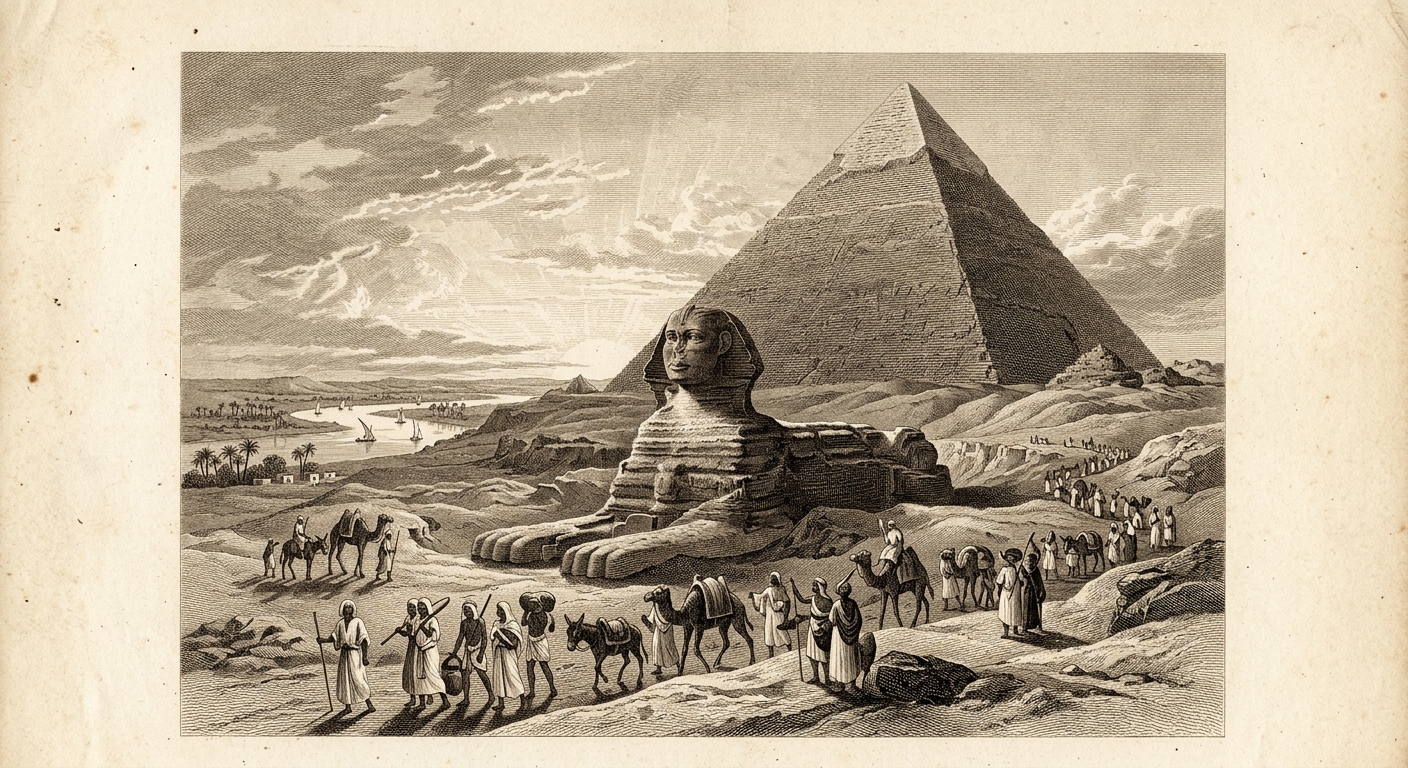 Ancient Egypt Timeline — Ancient Egypt was one of the world's first great civilizations, ruled by pharaohs along the Nile River for more than 3,000 years. Open →
How to print
Choose Download PDF for a ready-to-print timeline that fits US Letter paper (8.5 × 11"). The blank fill-in version keeps the dates and gives students empty lines to write each event — great for review and quizzes.
Frequently asked questions
What was the Indus Valley Civilization?
The Indus Valley Civilization (also called the Harappan Civilization) flourished from about 2600 to 1900 BCE in what is now Pakistan and northwestern India. At its height, it included over 1,000 settlements and major cities like Harappa and Mohenjo-daro, each with populations of 20,000–50,000 people — making them among the world's largest cities of the time. The civilization had sophisticated urban planning, drainage systems, and standardized weights and measures suggesting long-distance trade. Unlike Egypt and Mesopotamia, the Indus Civilization's script has never been deciphered, so much about its society, religion, and government remains unknown.
Why is Emperor Ashoka considered one of history's greatest rulers?
Ashoka (ruled c. 269–232 BCE) is remarkable because after winning a devastating war against the Kalinga kingdom that killed hundreds of thousands, he experienced a profound change of heart. He converted to Buddhism, renounced further military conquest, and devoted his long reign to the welfare of his subjects — building hospitals, planting shade trees and fruit orchards along roads, digging wells, and establishing shelters for travelers. He sent Buddhist missionaries across Asia (including his own son and daughter to Sri Lanka), helping Buddhism become a world religion. His rock and pillar edicts, carved across his empire in multiple languages, are some of the oldest surviving texts in South Asia and express principles of religious tolerance and non-violence extraordinary for any era.
What paper size should I print this on?
The timeline is sized for standard US Letter paper (8.5 × 11 in.). The Download PDF button gives you a print-ready file that fits the page automatically.