Free printable word families o phonics worksheets. Five practice activities: decodable passage, word sort, phrasing cards, rapid naming chart, and word search.
A free illustrated mini-book for Word Families O, plus the same story as a passage sheet for highlighting.

A full-color picture book your student reads on their own. Skill: Word Families O. Print, cut and staple.
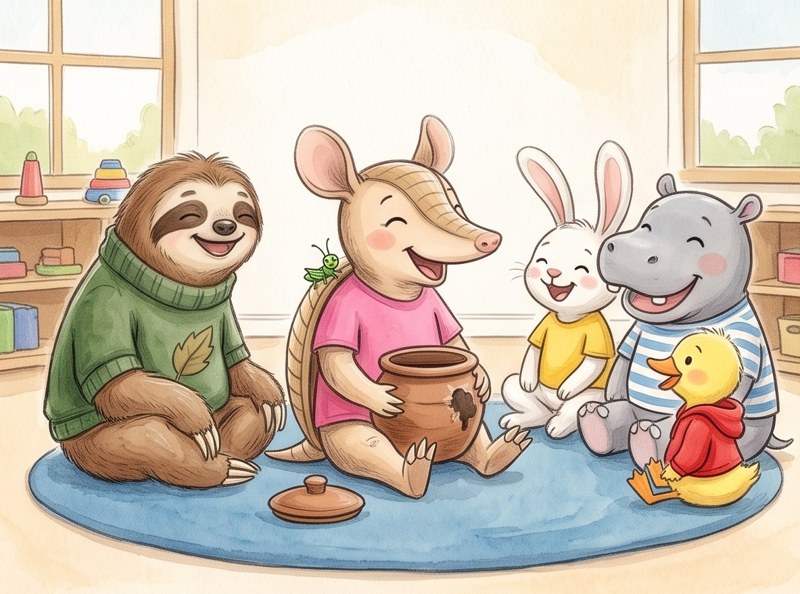
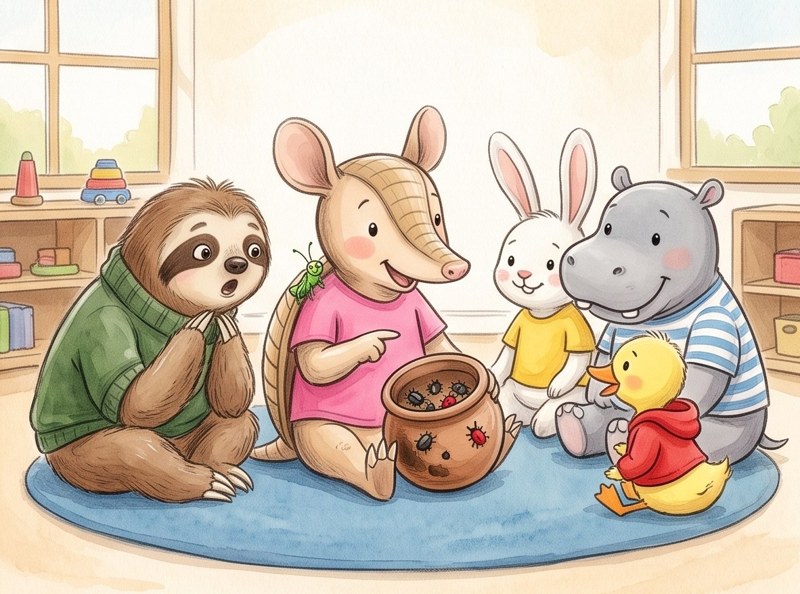
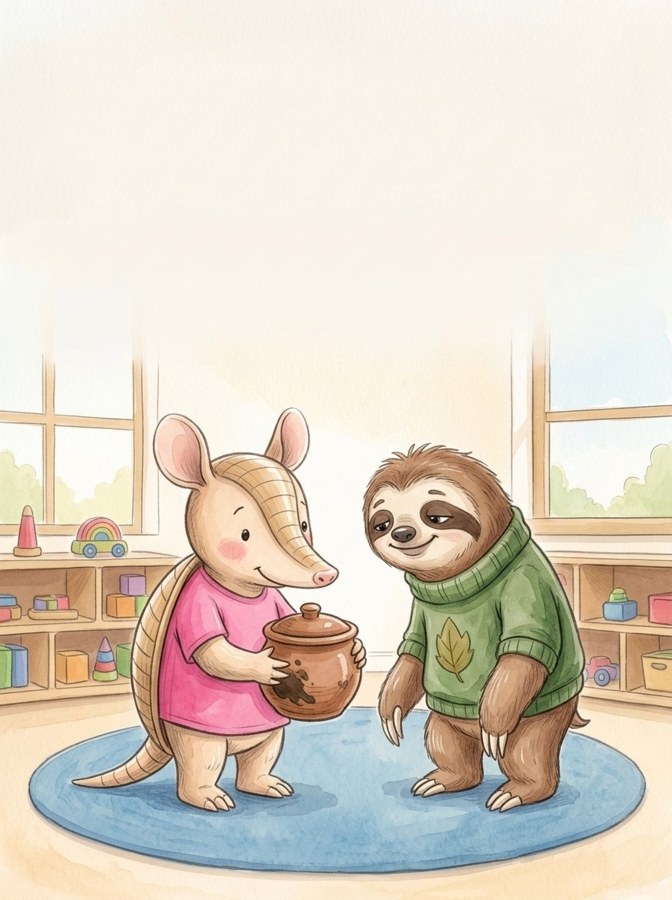
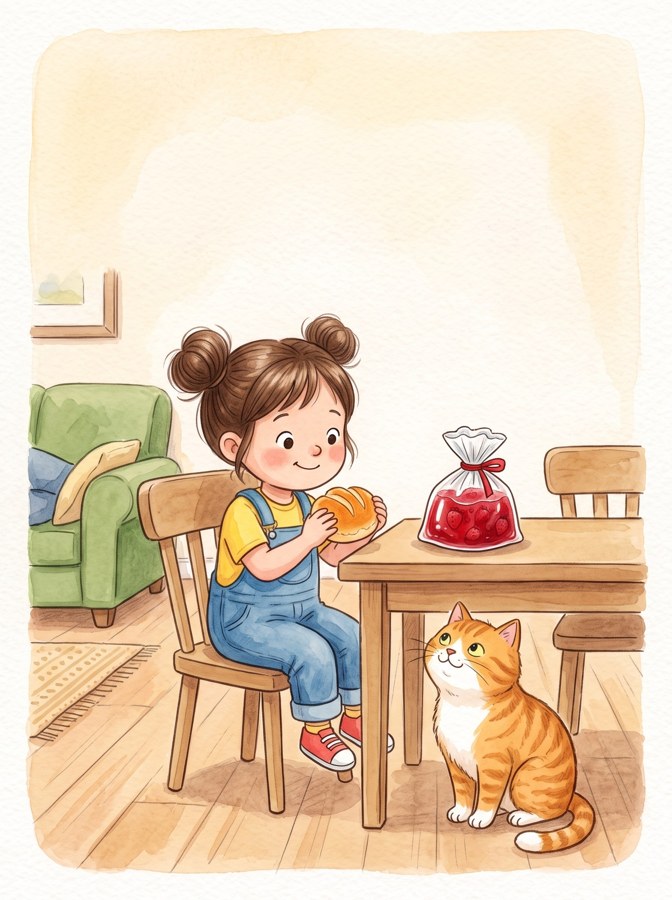 This book is one of 74 Level 1 mini-books.Every book is free to print one at a time, or get all 74 in one file for $14.
See all 74 books →
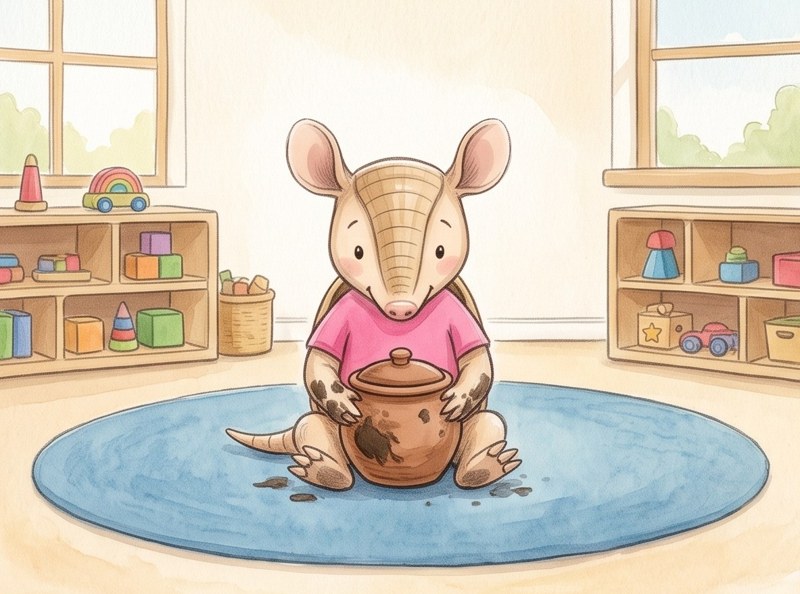
Fen had a pot of bugs from the bog. She had dug them up to show the kids.
Fen sat on the rug. All the kids were looking at her. Fen got red. She just sat.
"Go on, Fen," said Liv.
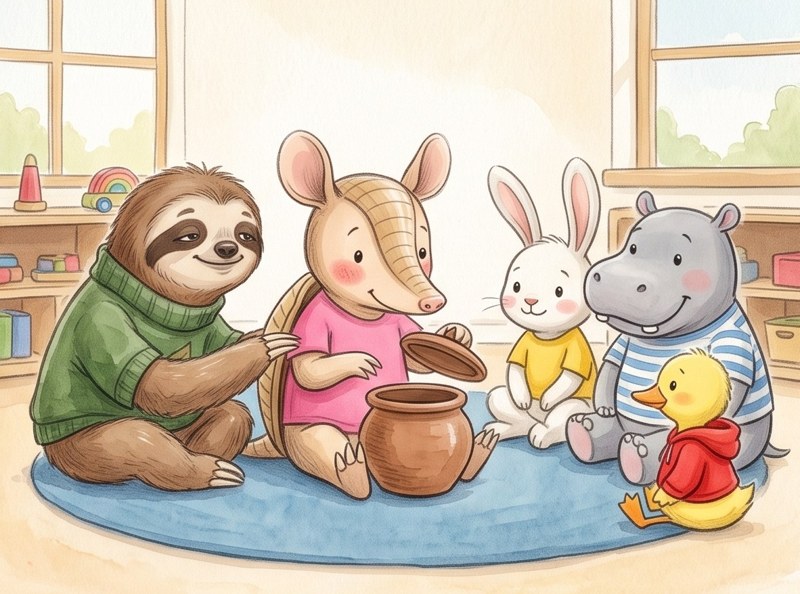
Fen popped the top off the pot. A green bug hopped up on her neck!
The kids laughed. Fen laughed too.
"I got this bug by a log," said Fen. "I got that one in the mud."
"You got a lot!" said Liv.
Then Fen had a lot to tell them.
The words this story set practices, in the two groups used by the word sort.
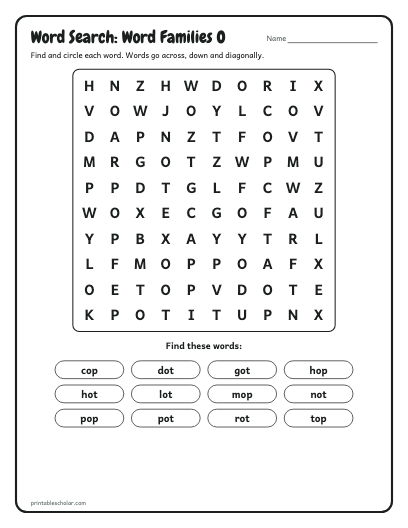
dot, got, hot, lot, not, pot, rot, cop, hop, mop, pop, top
bog, cog, dog, fog, hog, jog, log, tog
Short O words to read, match and write, with pictures. Each PDF has its answer key on page 2.
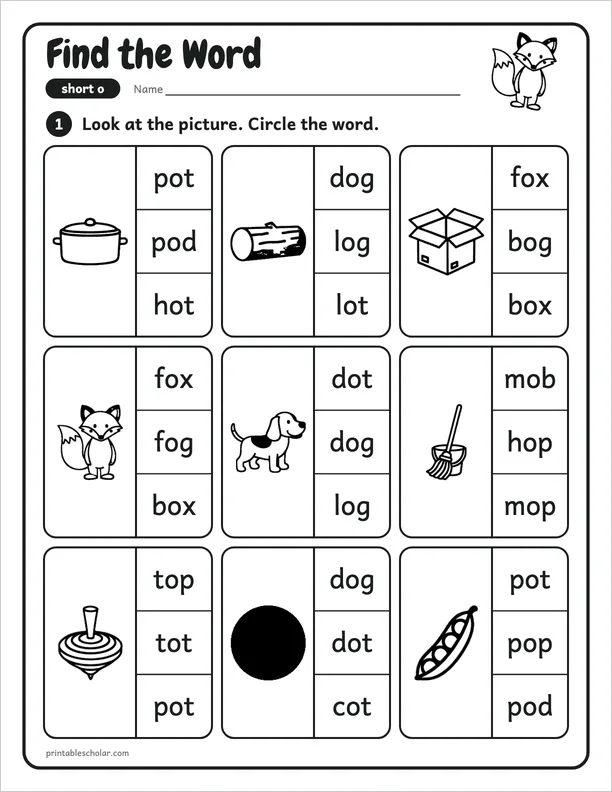
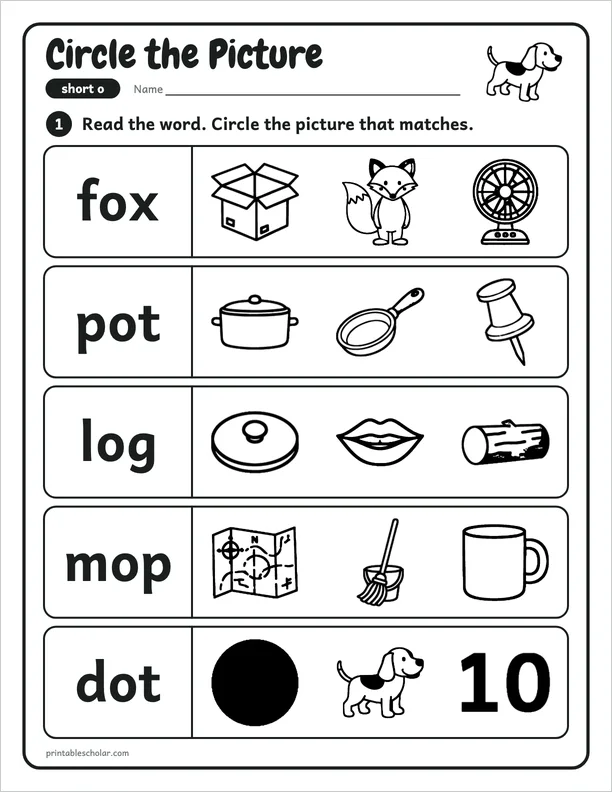
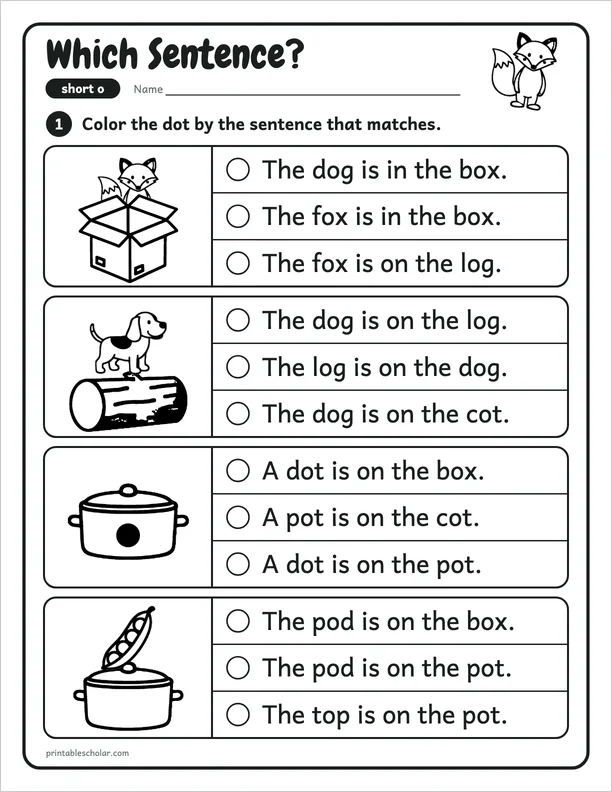
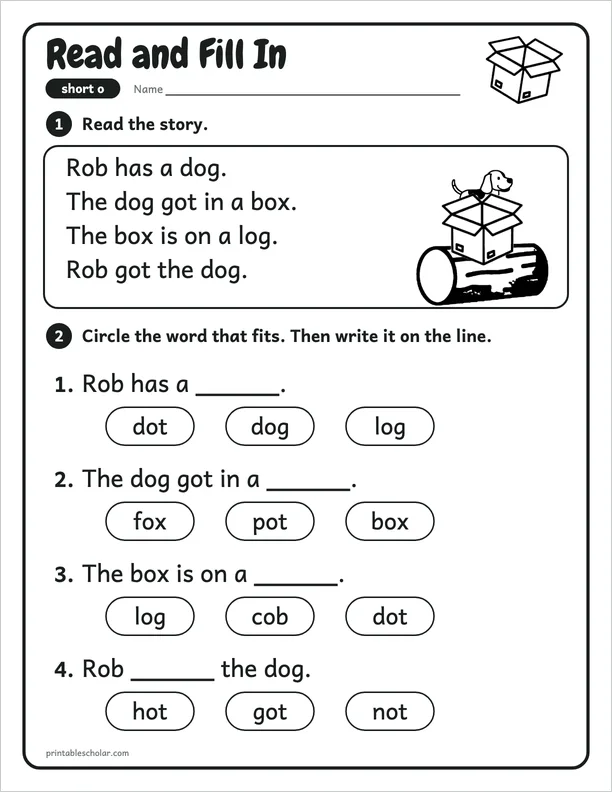
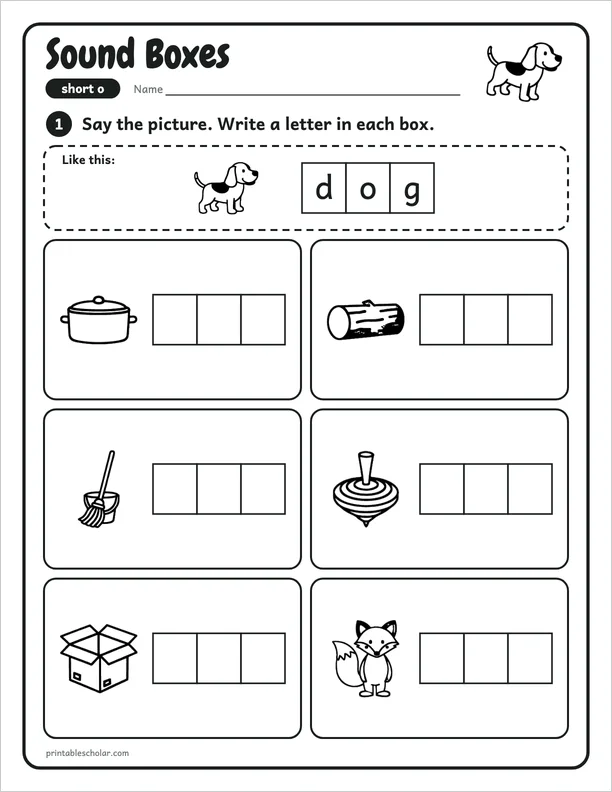
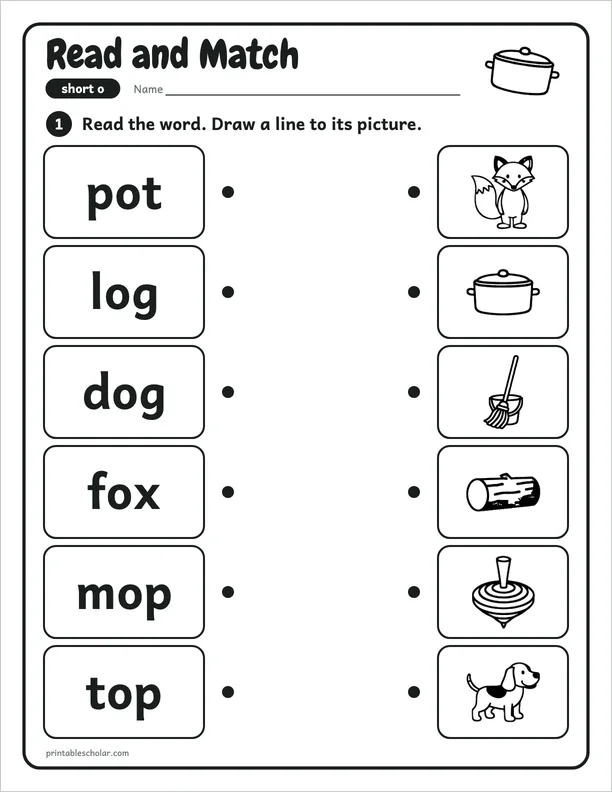
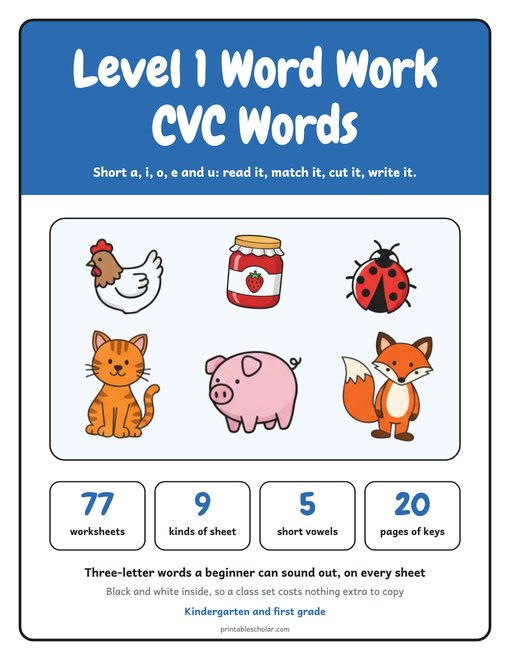
All 77 CVC worksheets in one file, with answer keys.
Get the pack for $7 All 6 levels (700+ sheets) for $194 ready-to-print PDFs for this story's word families o words. Each one opens as its own file.
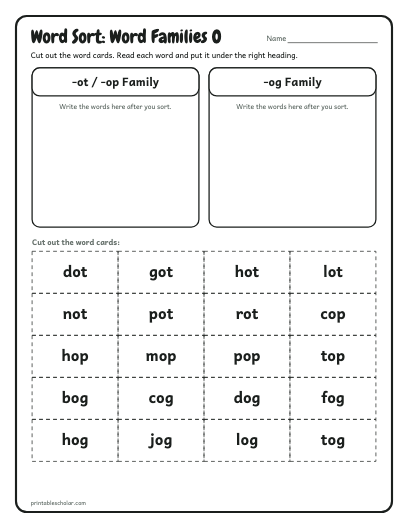
Cut-apart word cards to sort: -ot / -op Family or -og Family. Answer key on page 2.
Download PDF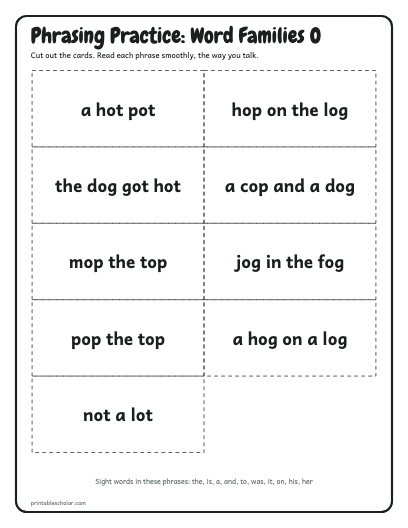
More picture worksheets: beginning sounds, ending sounds, rhyming and syllables — new pictures every time you print.
A new decodable story with the same word families o sounds — each comes with its own set of worksheets.
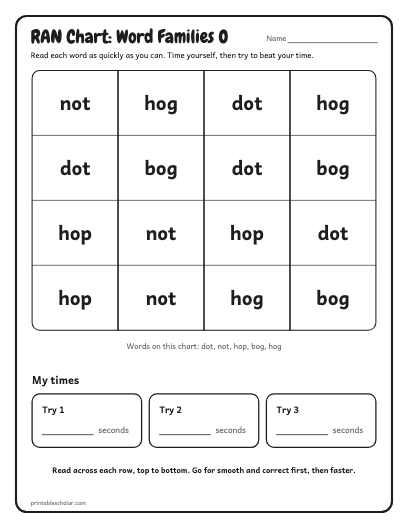
The -ot, -op, and -og word families are essential CVC patterns for kindergarteners, building foundational decoding skills after students master individual letter sounds. These short 'o' families often present a unique challenge because the /o/ sound can be easily confused with the short /a/ or /u/ sounds, especially when quickly blending. For instance, a child might misread "pot" as "pat" or "put," or "dog" as "dag" or "dug." The subtle difference in tongue position for /o/ versus /a/ or /u/ requires focused practice. Additionally, the final consonant sounds /t/, /p/, and /g/ need clear articulation to differentiate words like "dot" from "dog," or "hop" from "hot," preventing common blending errors at this early stage. Mastering these distinct short 'o' CVC words solidifies a crucial step in their reading journey. To maximize the effectiveness of these worksheets, focus on explicit sound blending and segmenting for words like "hot," "mop," and "log." Begin by reading the decodable passage, "Kim's Garden Pot," multiple times, emphasizing the target words in context. Encourage students to identify the common "ot," "op," and "og" endings. Next, use the word sort activity to categorize words, helping students visually and auditorily group similar patterns. For fluency, practice with phrasing cards, reading short phrases containing these words smoothly, such as "a hot pot" or "the big dog." Finally, utilize the Rapid Automatic Naming (RAN) chart to build quick recognition of these CVC words, prompting students to say "dot," "got," "hop," "top," "bog," "fog" as quickly as possible, reinforcing instant recall.
For more early literacy resources, explore our sight word flashcards, tracing worksheets, handwriting worksheets, and coloring pages.
 Printable Scholar