A pretend shop is the easiest way to practice money: one child runs the shop, the other pays with play coins, and both count. These sheets set one up. The price board goes on the counter, the shopkeeper fills in an order slip for each shopper, and the challenge cards are for working alone. Every answer is printed upside down on the sheet. Four sheets are free here; the pack has four shops at two price levels.
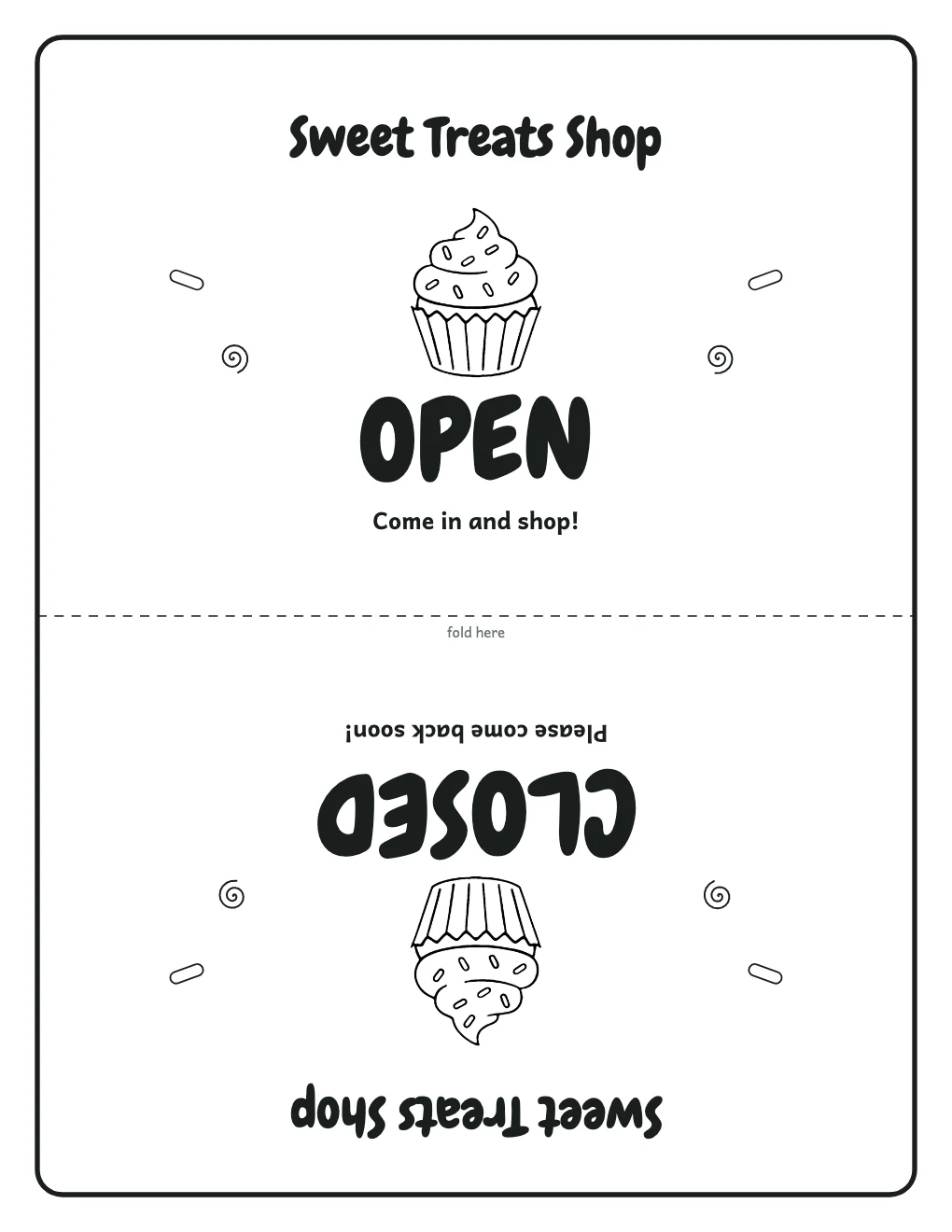
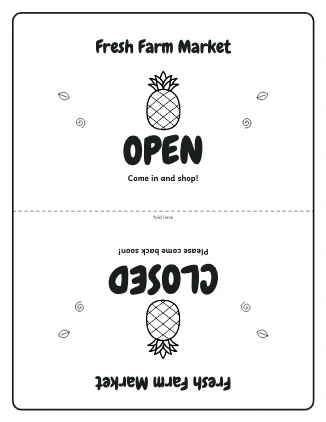
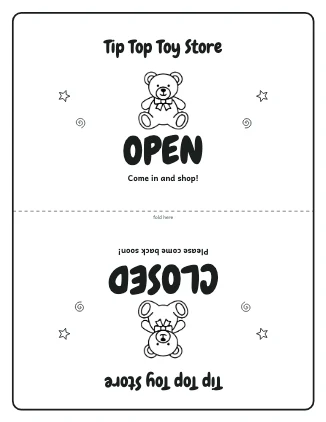
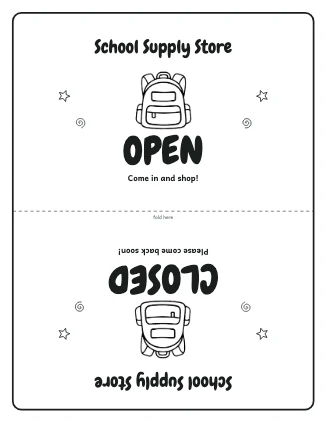
Fold it in half to stand on the counter: OPEN on one side, CLOSED on the other.
Download PDF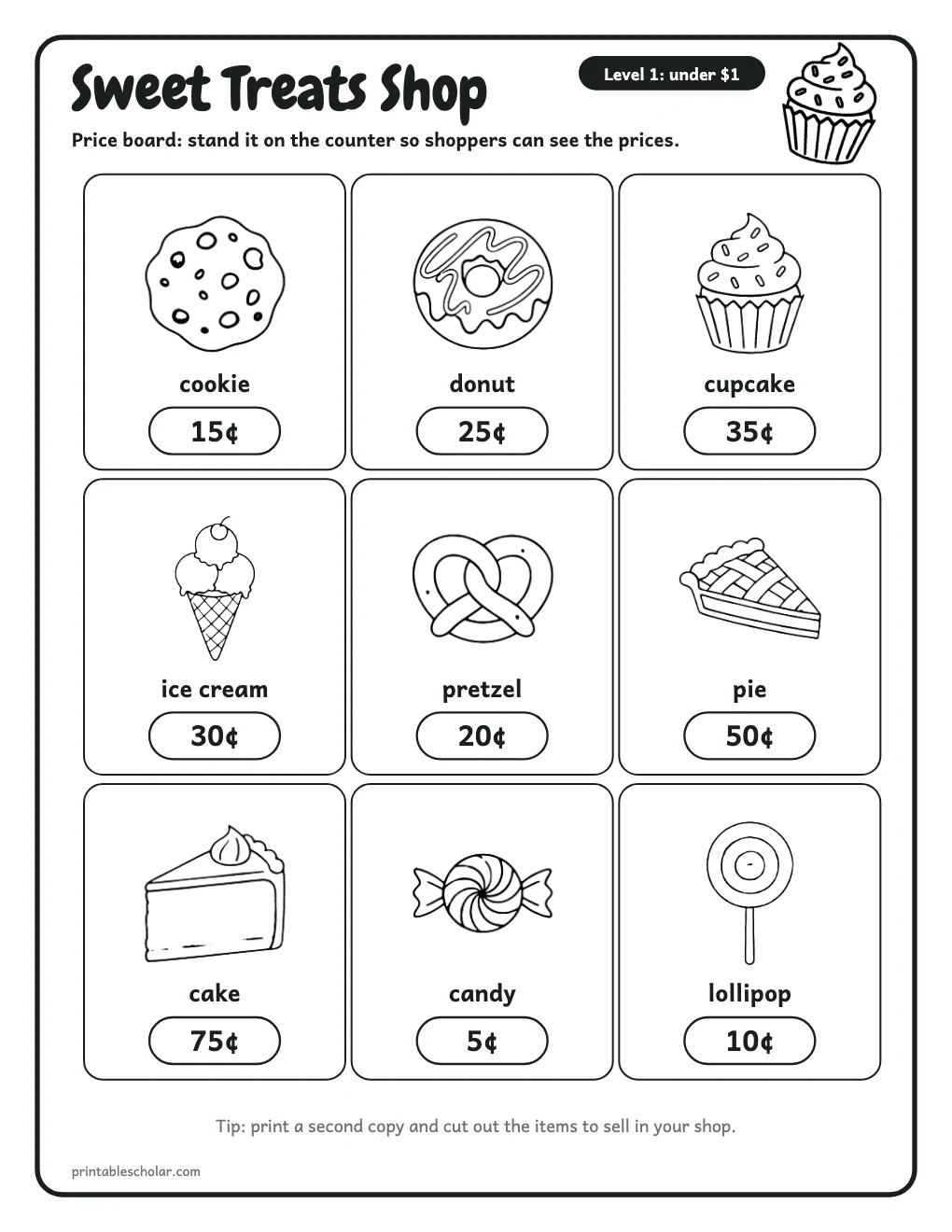
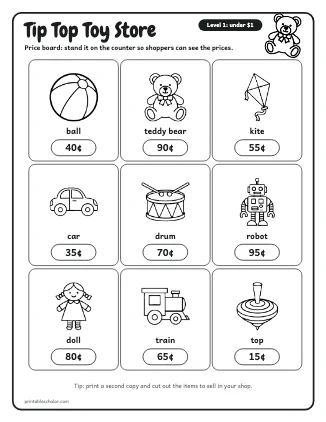
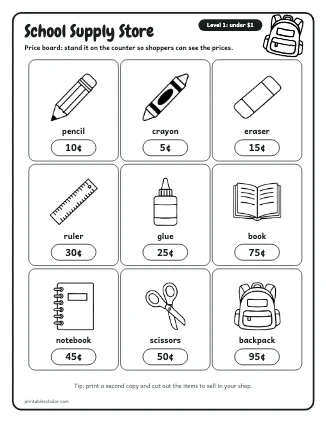
Nine items with pictures and prices under $1, in cents.
Download PDF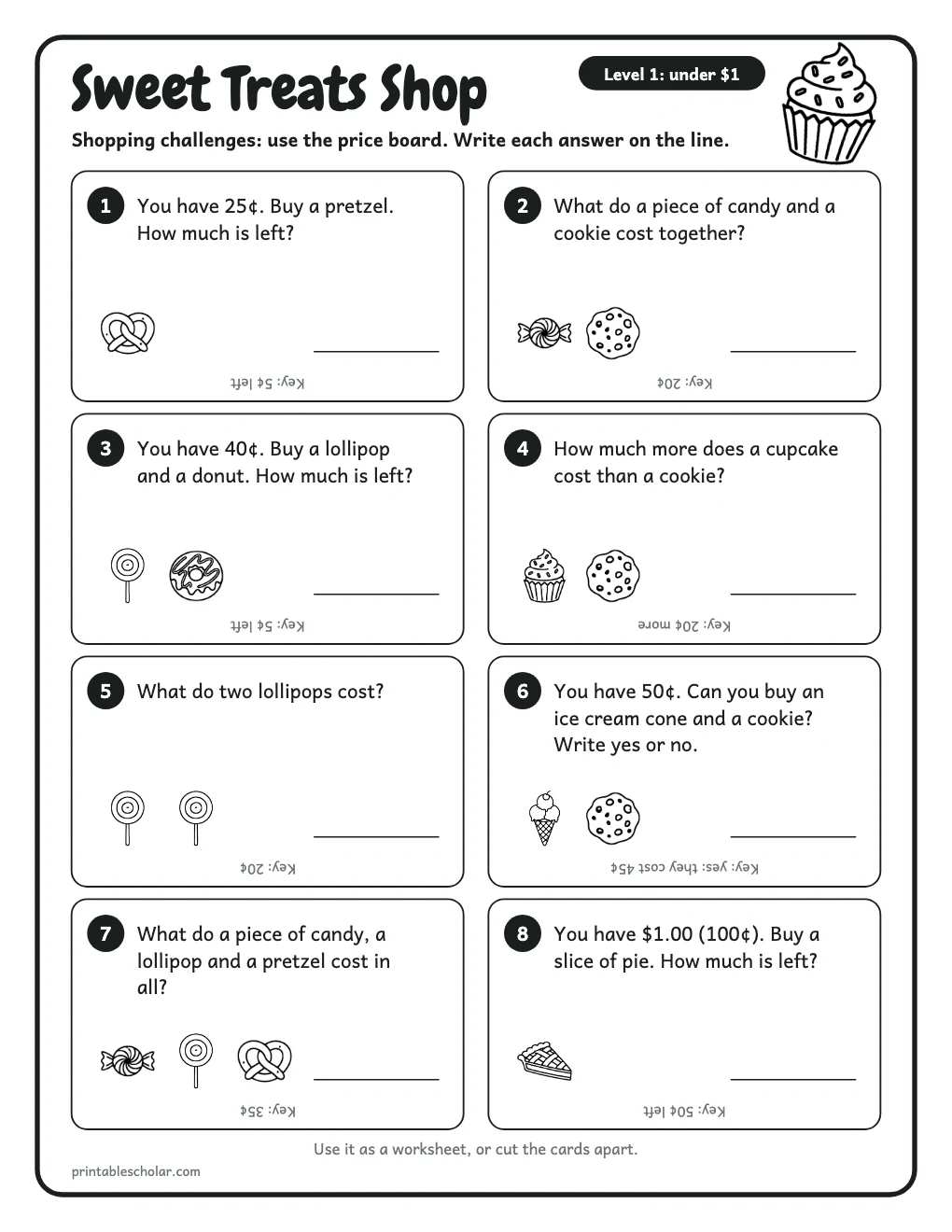
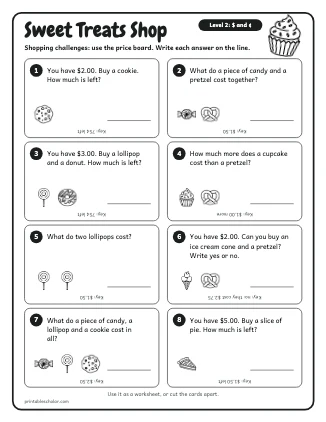
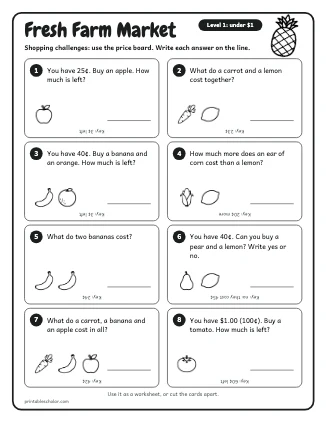
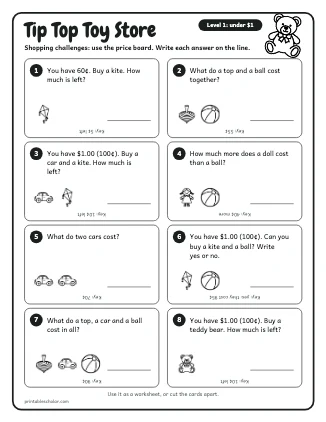
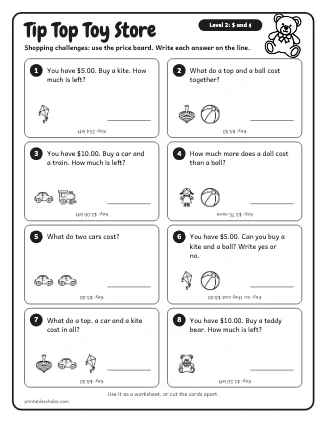
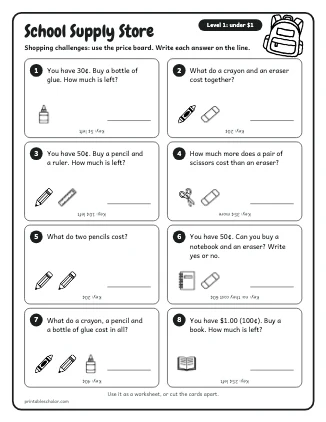
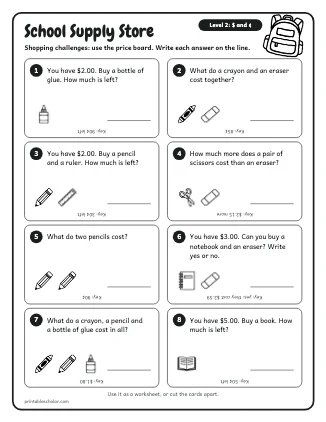
Eight one-question cards to solve alone with the price board. The answer is upside down on each card.
Download PDF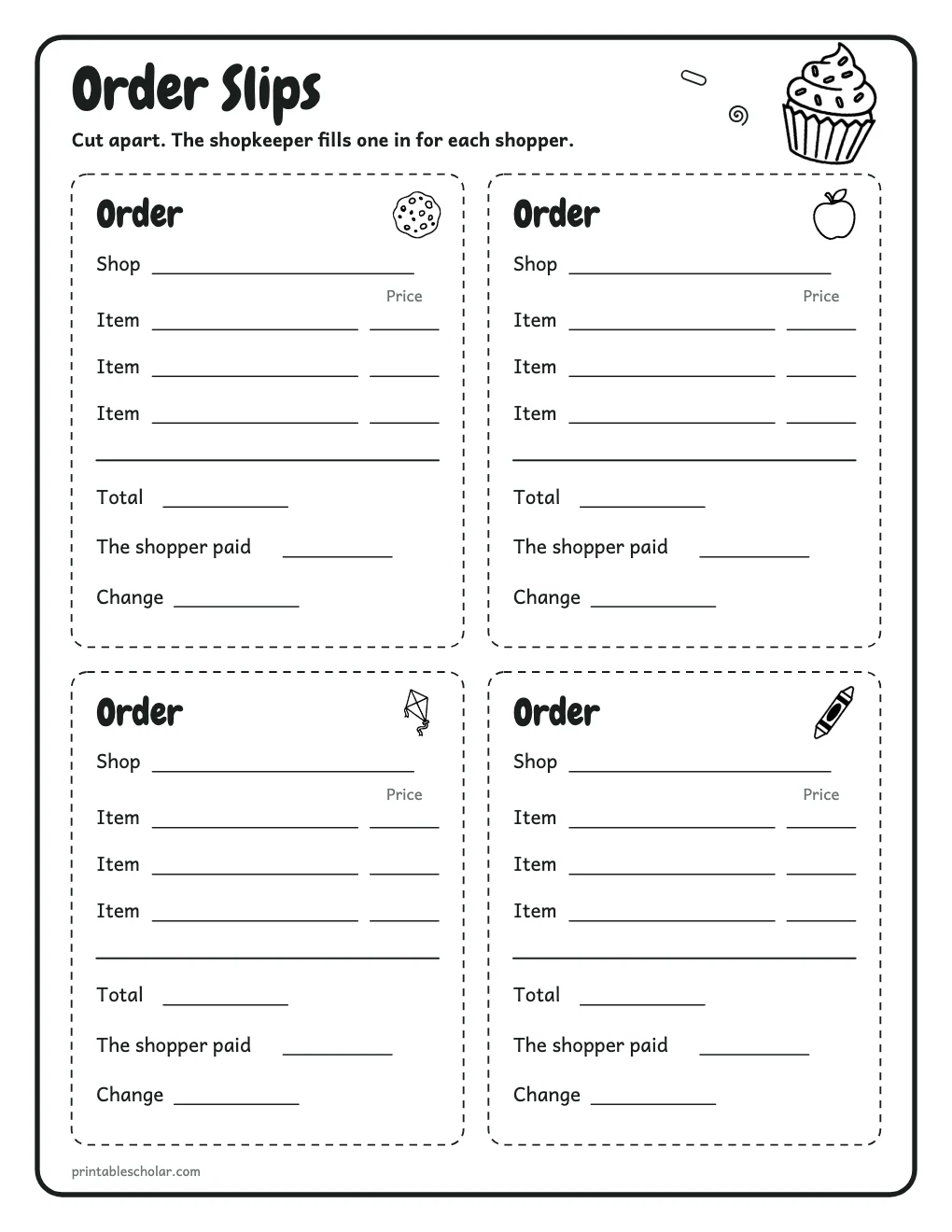
Four slips for any shop: the shopkeeper writes the items, adds the total and works out the change.
Download PDF
The 4 free sheets above, plus 28 more that are only in the pack: four shops, each at two price levels, and money sheets that work with any shop.
Tap any sheet to see it larger.
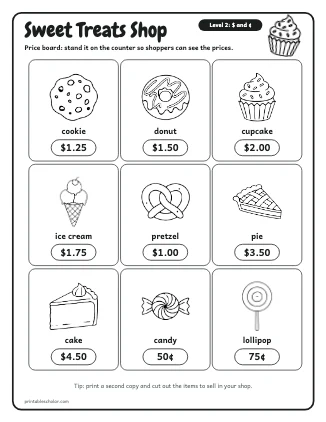
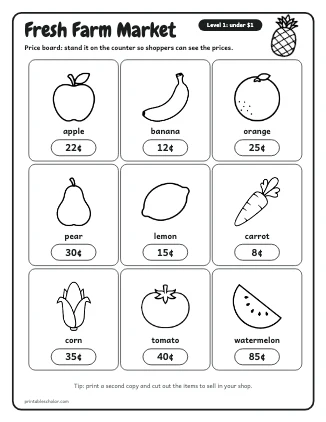
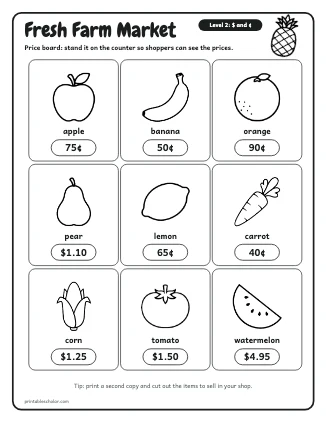
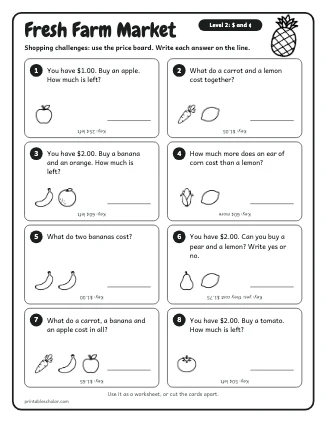
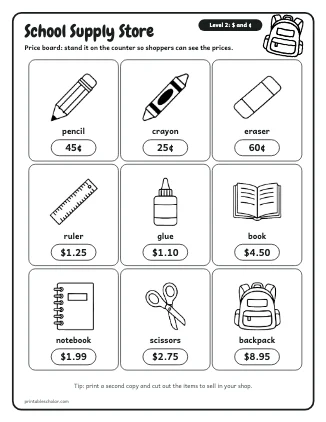
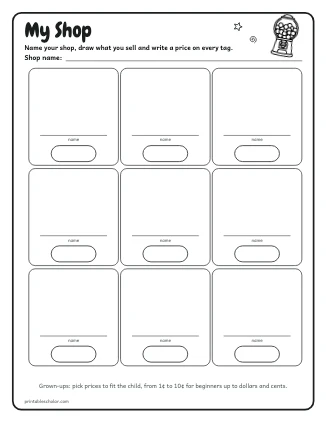
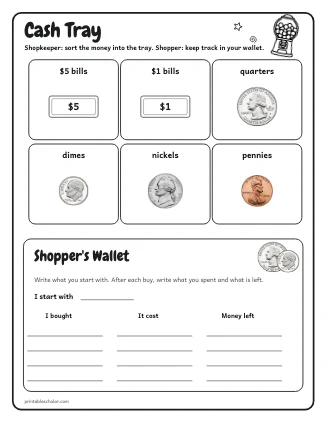
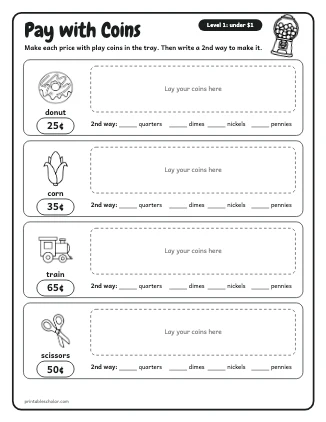
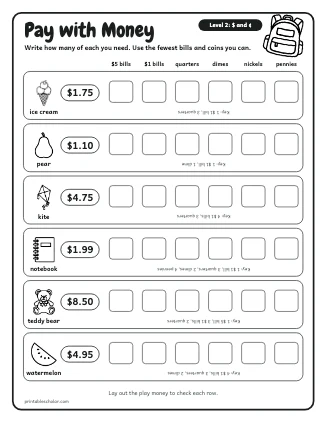
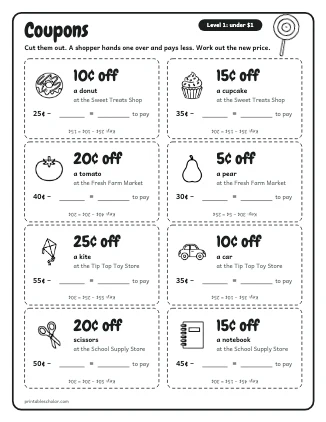
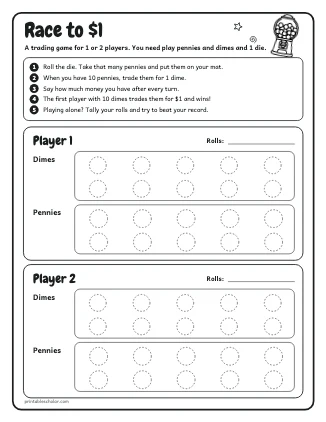
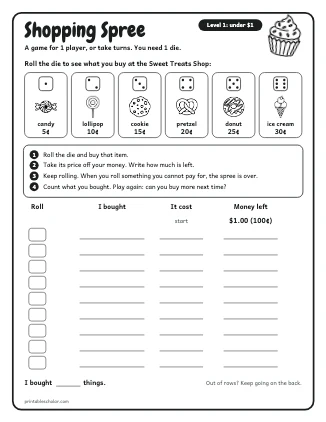
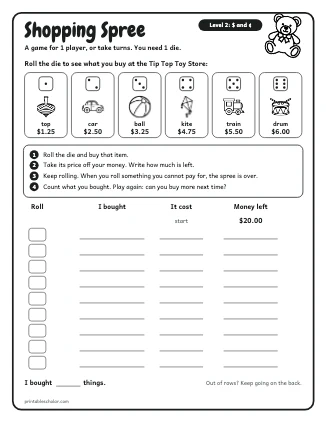
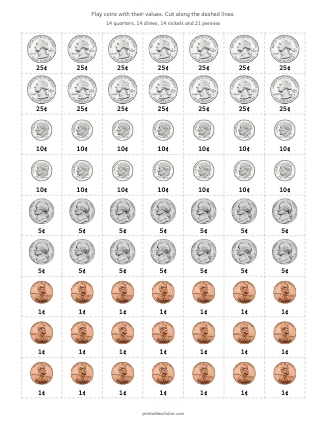
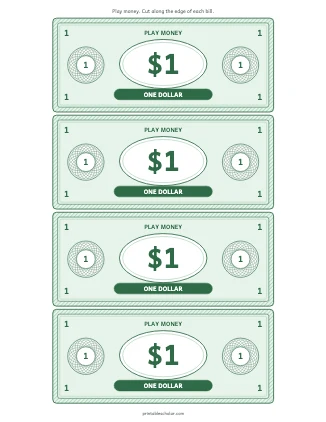
Money is easier to learn with coins in hand than on a worksheet. A pretend shop gives a child a reason to count: a cookie costs 15¢, so which coins pay for it, and what change comes back? These sheets turn the play money into a shop.
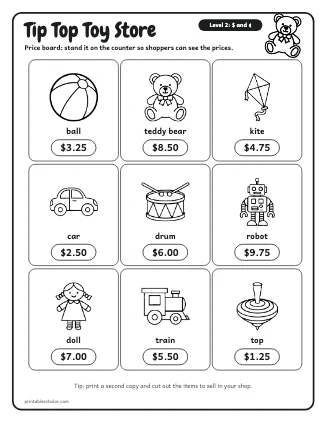
Level 1 prices are all under $1 and written in cents, for 1st grade and for counting pennies, nickels, dimes and quarters. Level 2 prices are in dollars and cents, for 2nd grade and for making change. Each shop in the pack has both, so one set of sheets works for a 1st grader and a 2nd grader at the same table.
The shopping challenge cards are one question each: what two things cost together, how much is left from 50¢, which costs more and by how much, and whether there is enough money for two things. The answer is printed upside down at the bottom of each card, so a child can check alone.
For written practice, see the money worksheets, which cover naming coins, counting coins and bills, and making change from a dollar.
 Printable Scholar