 Printable Scholar
Living and Nonliving Worksheets
What makes something alive? Sort living and nonliving things, learn what living things need, and use your five senses, in black and white for kindergarten to 2nd grade.
What makes something alive? Sort living and nonliving things, learn what living things need, and use your five senses, in black and white for kindergarten to 2nd grade.

A six-page picture book to print, cut and staple: one short line on every page, and three questions to talk about on the back.
Each is a PDF to print right away, in black and white. Sheets with right answers have the answer key on page 2.
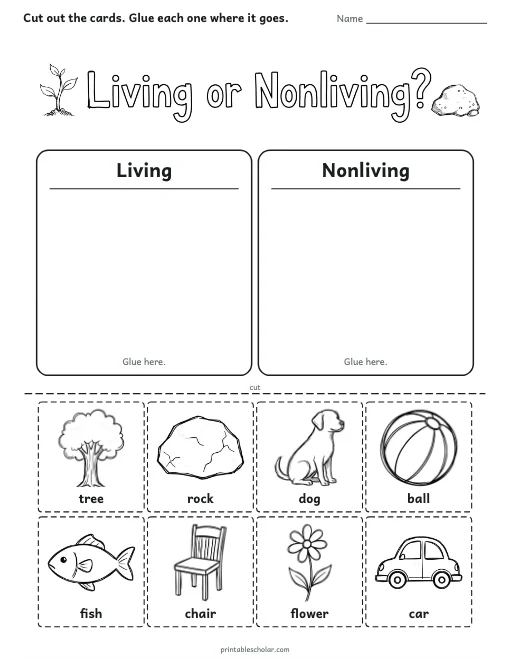
Eight picture cards to cut out and sort into living and nonliving. Answer key on page 2.
Download PDF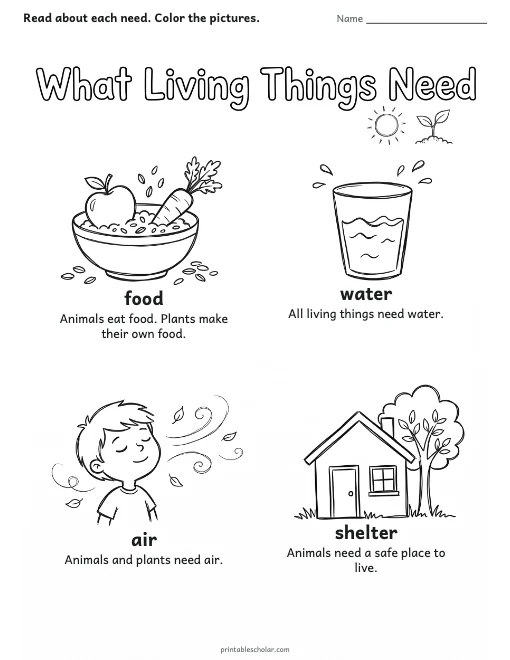
Food, water, air and shelter: four pictures to color, each with one sentence to read.
Download PDF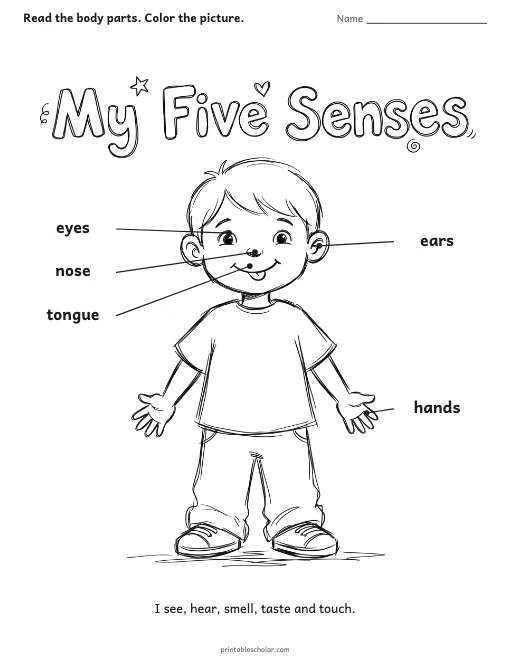
A child with the body parts for the five senses named: eyes, ears, nose, tongue and hands.
Download PDF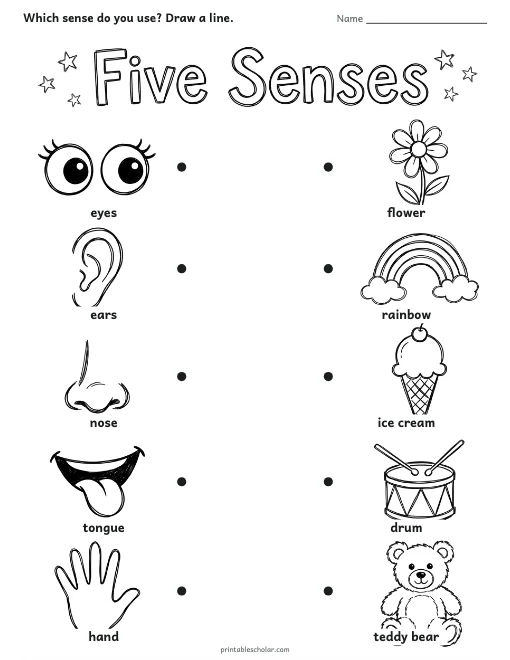
Match eyes, ears, nose, tongue and hand to a rainbow, a drum, a flower, an ice cream cone and a soft teddy bear. Answer key on page 2.
Download PDF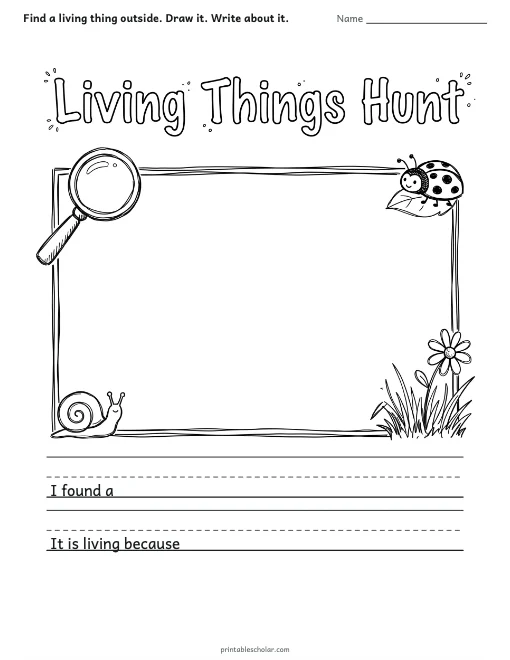
Go outside, find a living thing, draw it and say how you know it is alive.
Download PDF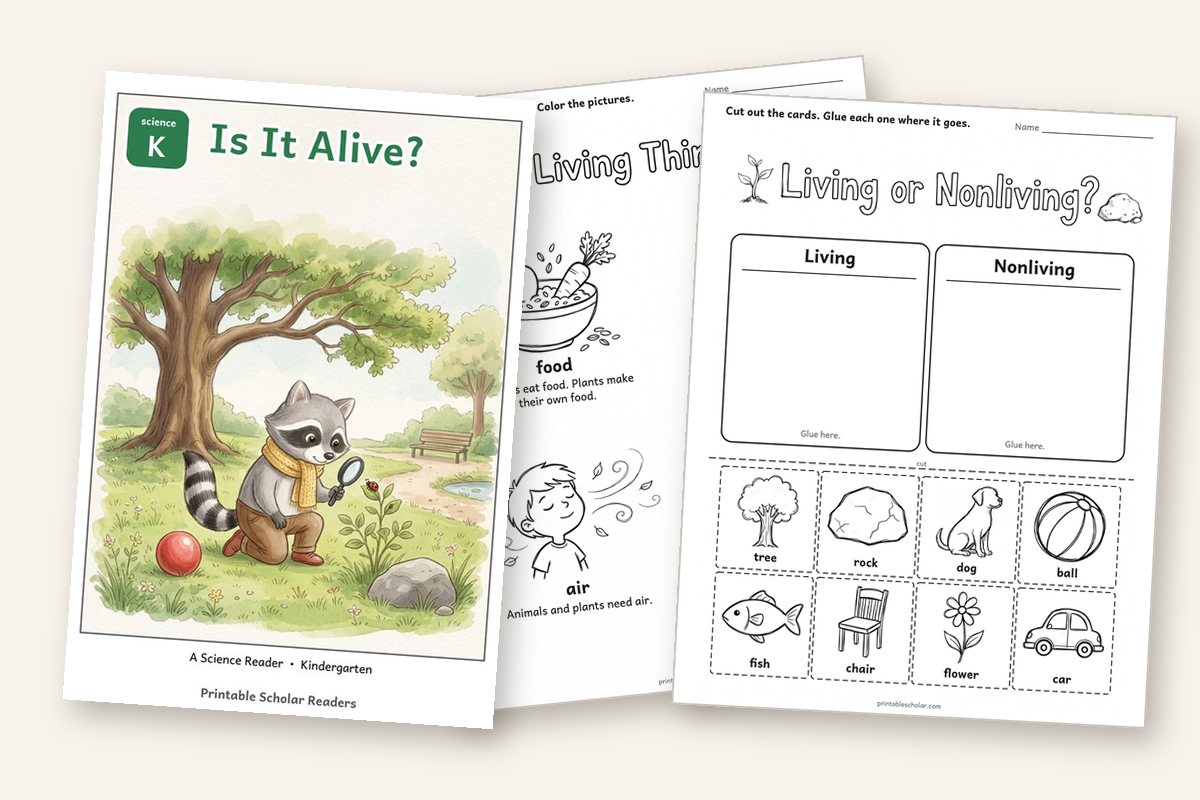
The whole unit in one place: all 10 Living and Nonliving worksheets in one print-ready file with every answer key, and the Is It Alive? reader in both editions, kindergarten and grades 1-2 (the grades 1-2 book has fuller sentences on every page).
Only in the pack:
Life Cycle of a Chicken, Plant Life Cycle, Animals, Weather and Seasons, Solid, Liquid and Gas, Dinosaurs, Pumpkins and Apples, and all topics on the K-2 science page.
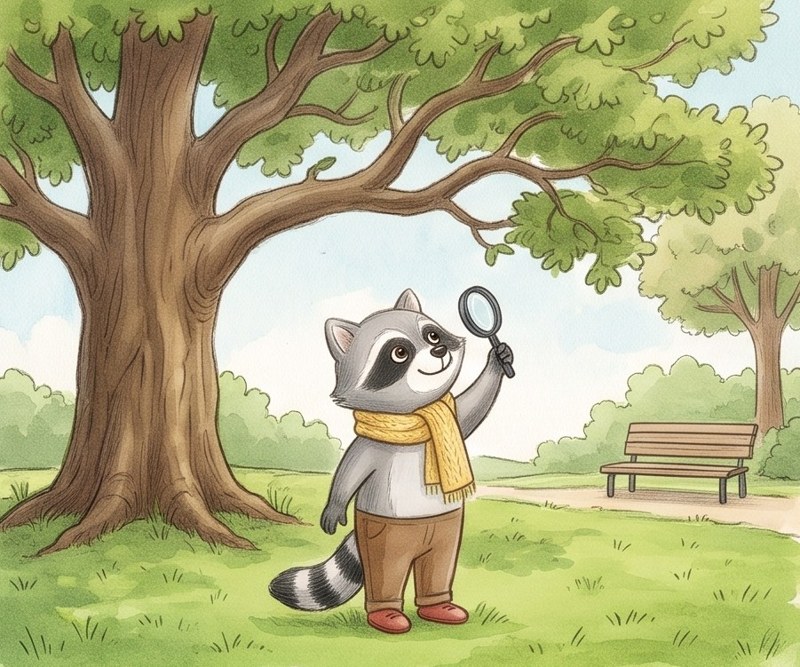
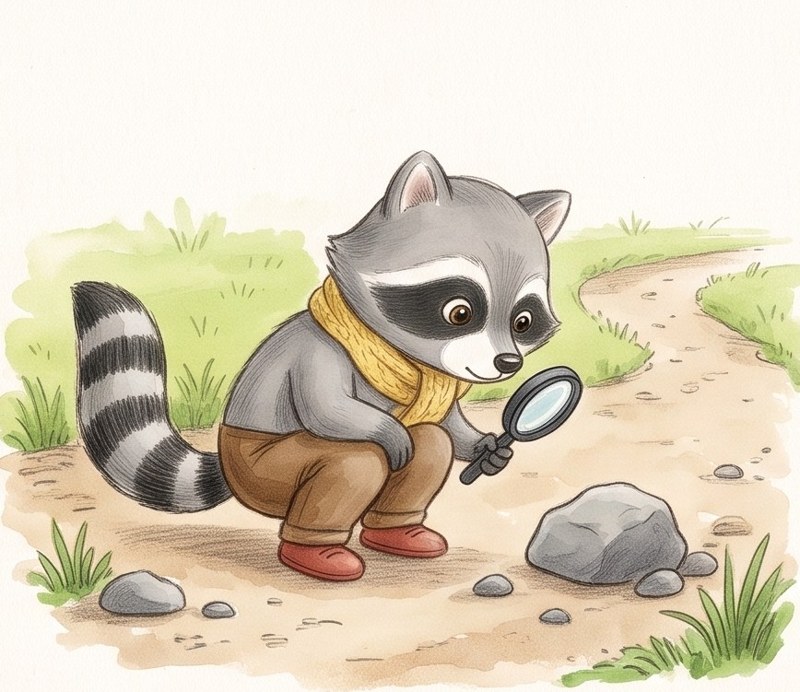
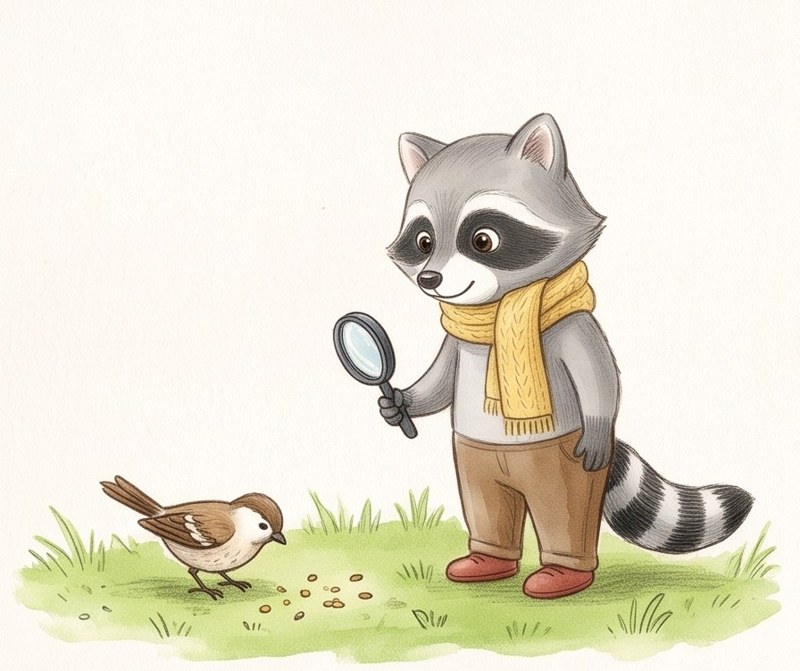
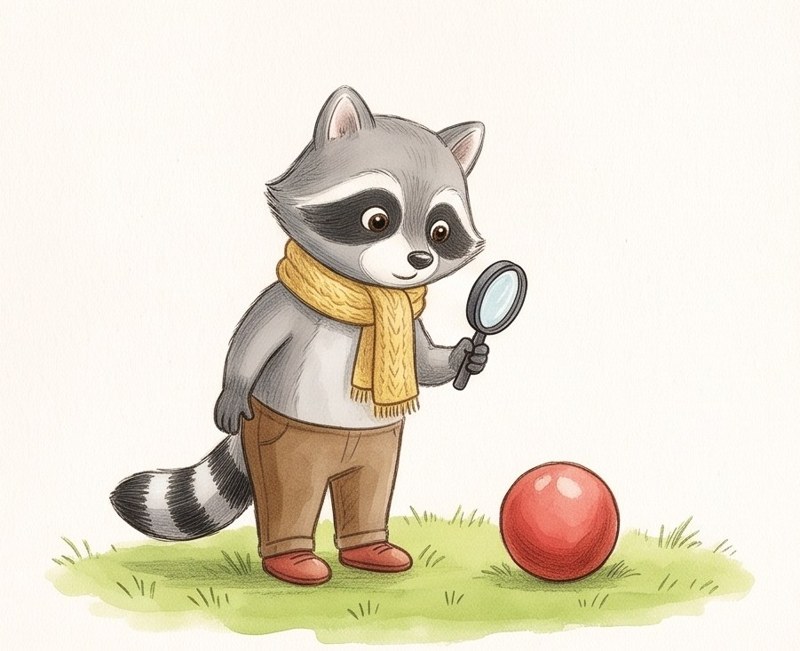
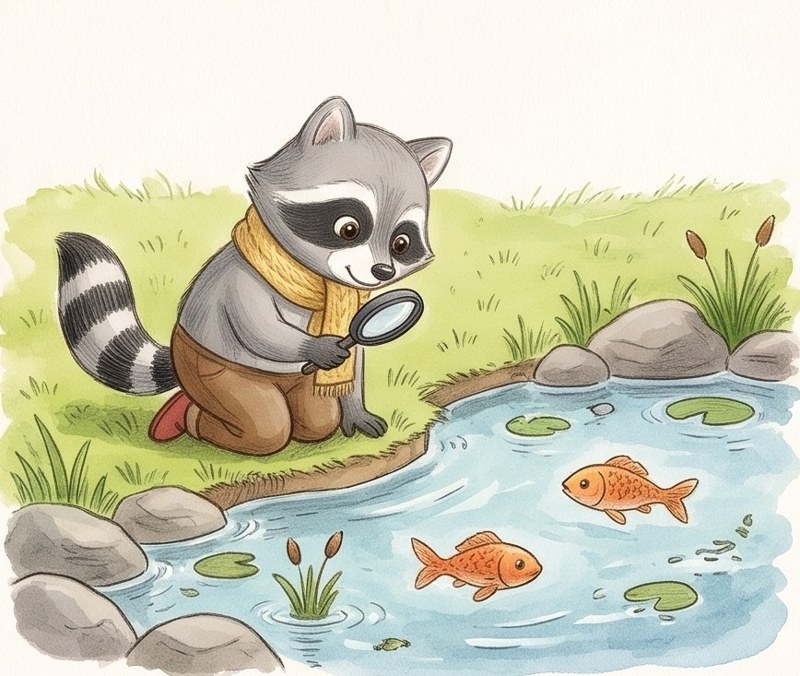
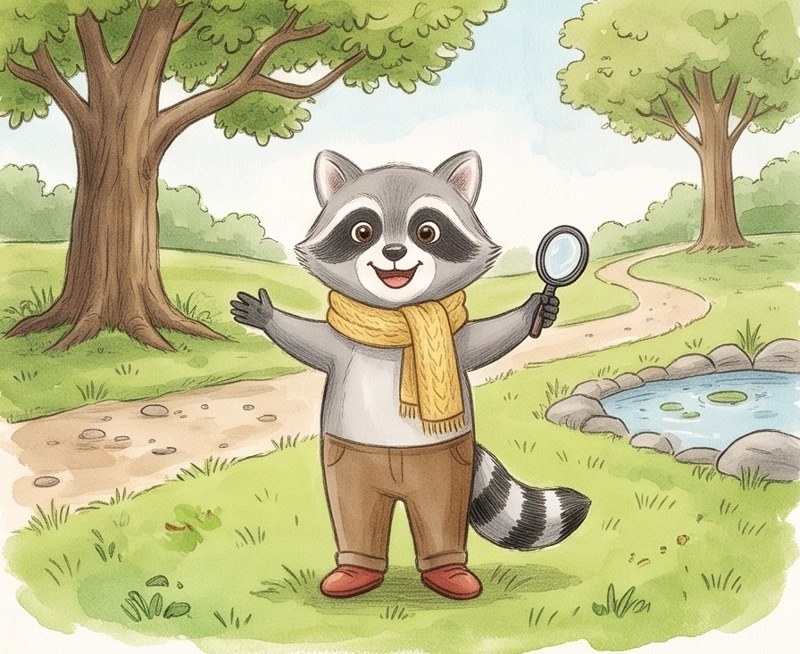
Living things grow, need food and water, breathe and make more of their own kind. Nonliving things do none of these. Read the free Is It Alive? book first: Len the raccoon walks through the park with a magnifying glass, checking a tree, a rock, a bird, a ball and a fish.
Then sort the picture cards together and talk about the tricky ones. A cloud moves and a ball rolls, but neither eats or grows. The Living Things Hunt sends children outside to find something alive and say how they know.
We learn about the world with our senses: we see with our eyes, hear with our ears, smell with our nose, taste with our tongue and touch with our hands. The My Five Senses page names each part, and the matching sheet pairs each sense with something to notice.