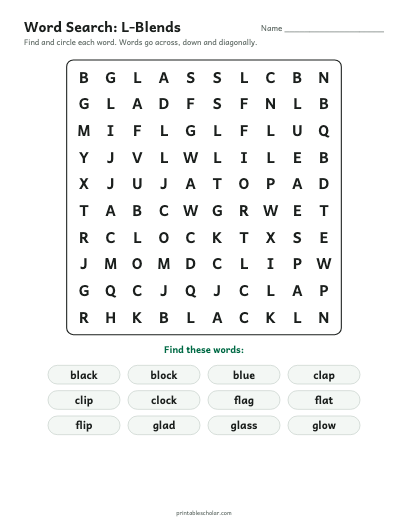
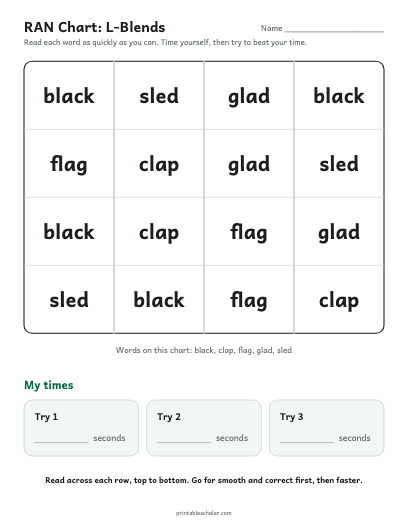
Free printable l-blends phonics worksheets. Five practice activities: decodable passage, word sort, phrasing cards, rapid naming chart, and word search.
A free illustrated mini-book for L-Blends, plus the same story as a passage sheet for highlighting.

A full-color picture book your student reads on their own. Skill: L-Blends. Print, cut and staple.
 Want the whole level? 58 Level 2 mini-books in one file, $14Every book stays free to print one at a time.
See the pack →
Want the whole level? 58 Level 2 mini-books in one file, $14Every book stays free to print one at a time.
See the pack →
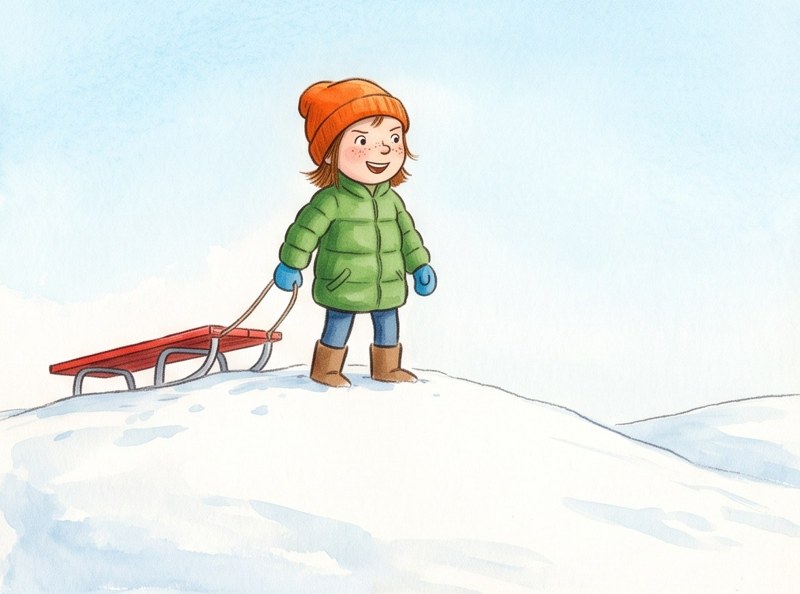
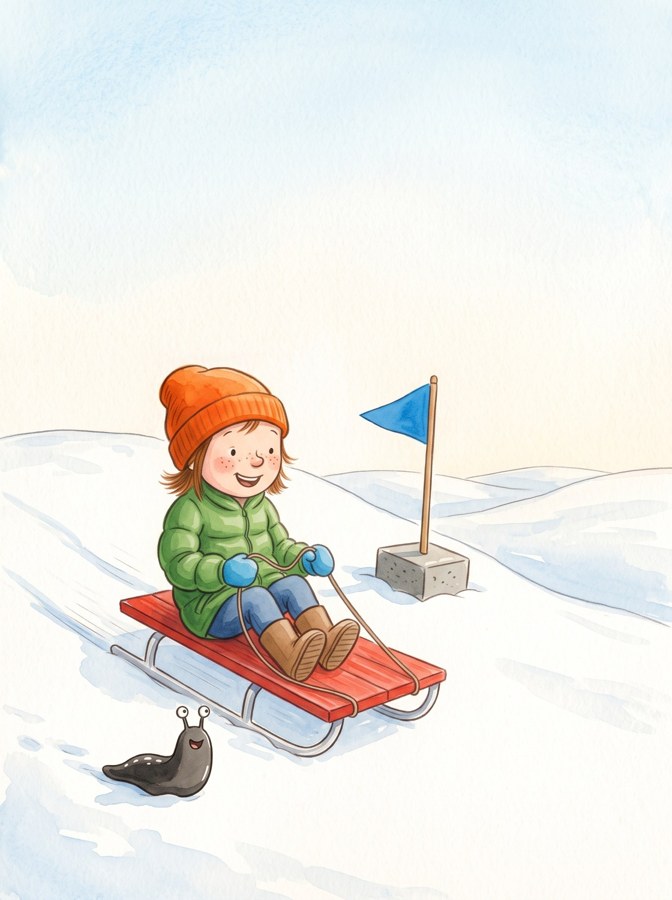
Jen had a red sled and a grand plan. Jen was on a big hill. Jen had a wish for the sled. It had to be fast. She set a blue flag on a flat block.
"I will not slip and crash," said Jen.
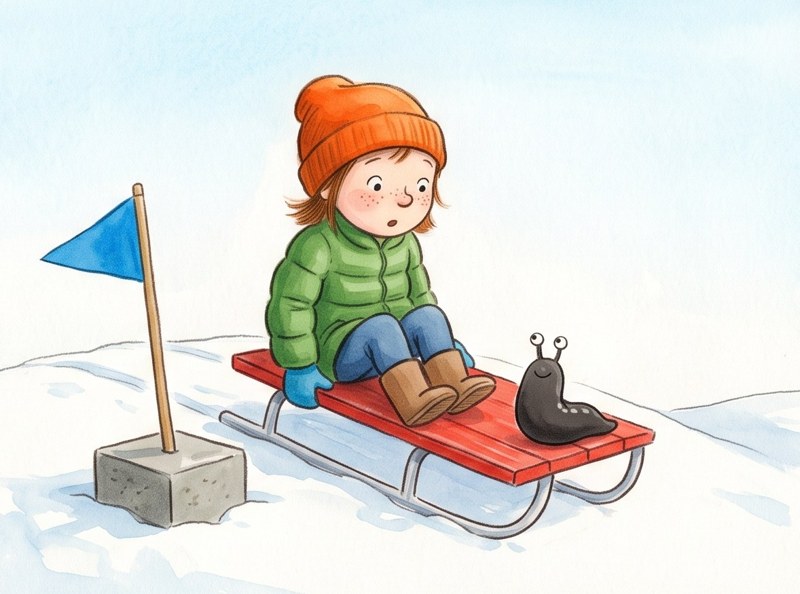
Jen sat on the sled. But then a fat, black slug slid up. Plop! It sat on the tip of the sled.
"Oh no!" said Jen. "A slug is not fast." The slug did not get off.
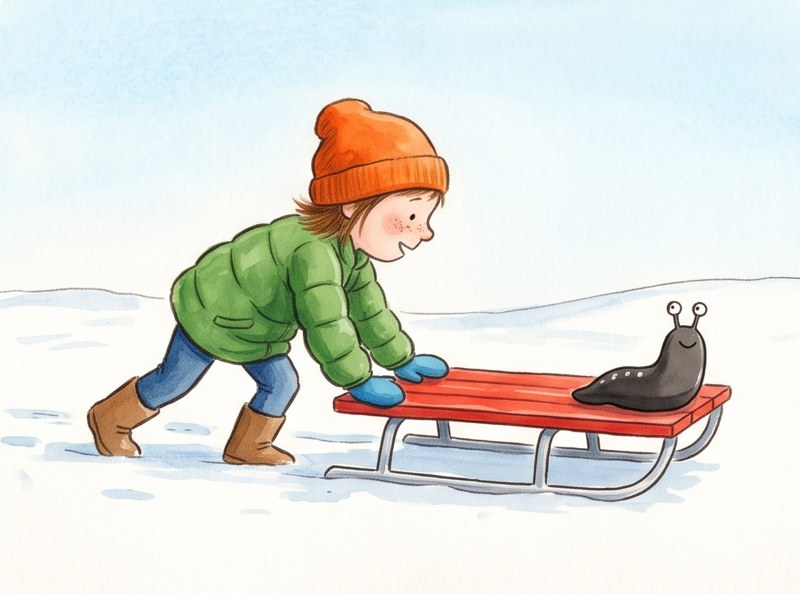
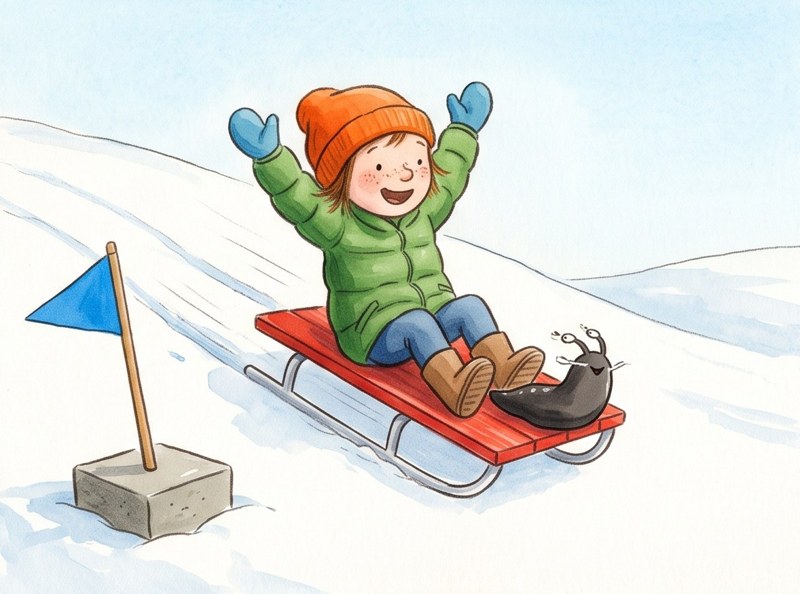
Jen had a new plan. Jen did push the sled a lot. They did not slip. The sled sped down! The black slug held on fast. They went past the blue flag.
Jen was so glad. "We did it!" said Jen.
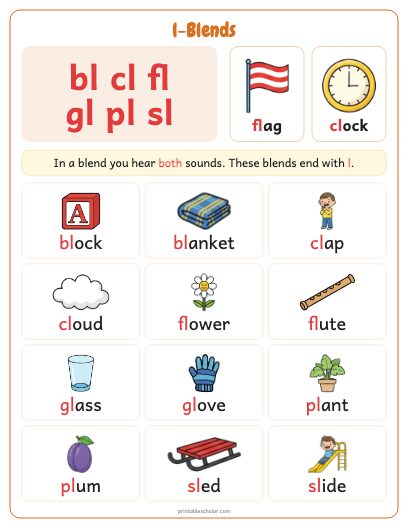
In a blend you hear both sounds. These blends end with l.
Download poster (PDF)Print it full size for the wall, or smaller for a phonics notebook.
See all 63 phonics rules posters → · or get all 63 in one file for $7, with a notebook-size copy
The words this story set practices, in the two groups used by the word sort.
black, block, blue, clap, clip, clock, flag, flat, flip, flock
glad, glass, glow, plan, plop, plug, sled, slim, slip, slug
L Blend words to read, match and write, with pictures. Each PDF has its answer key on page 2.
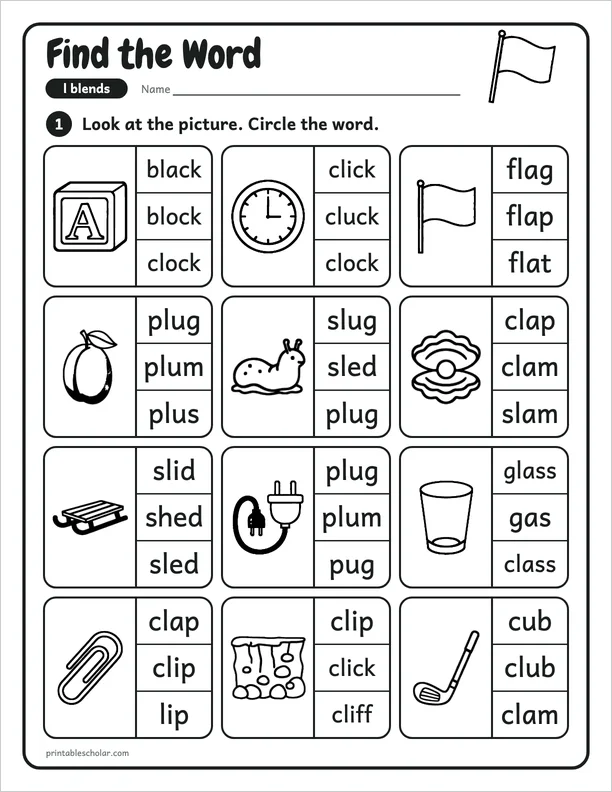
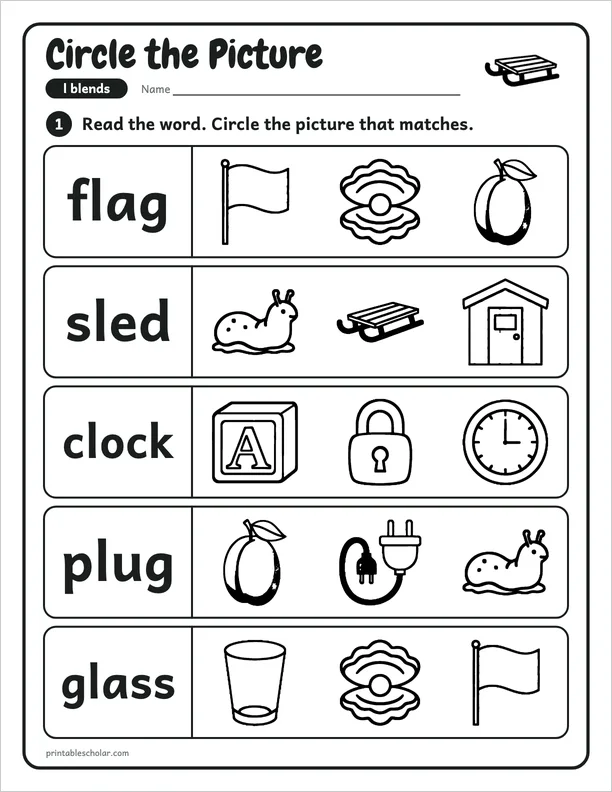
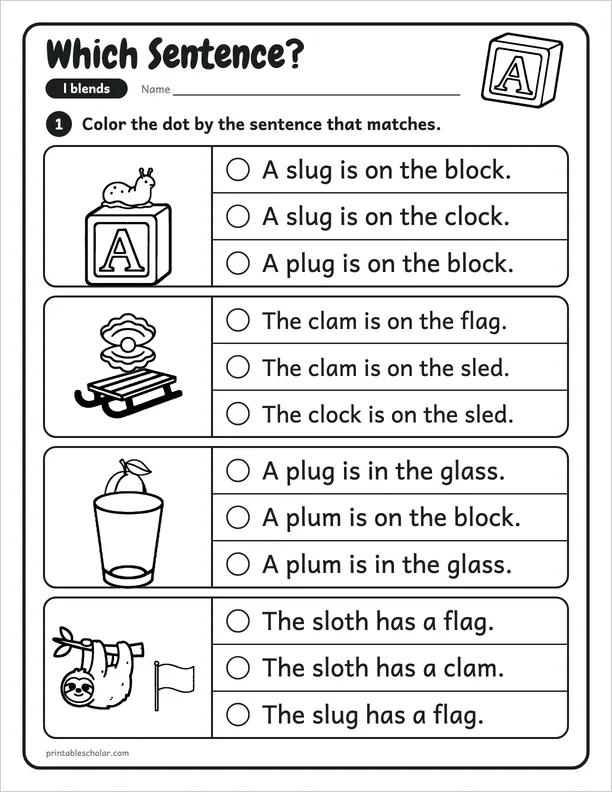
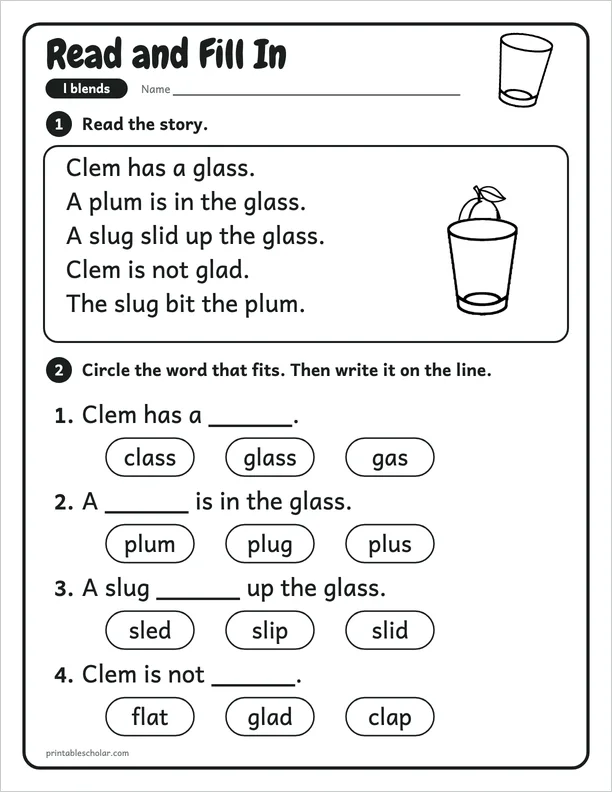
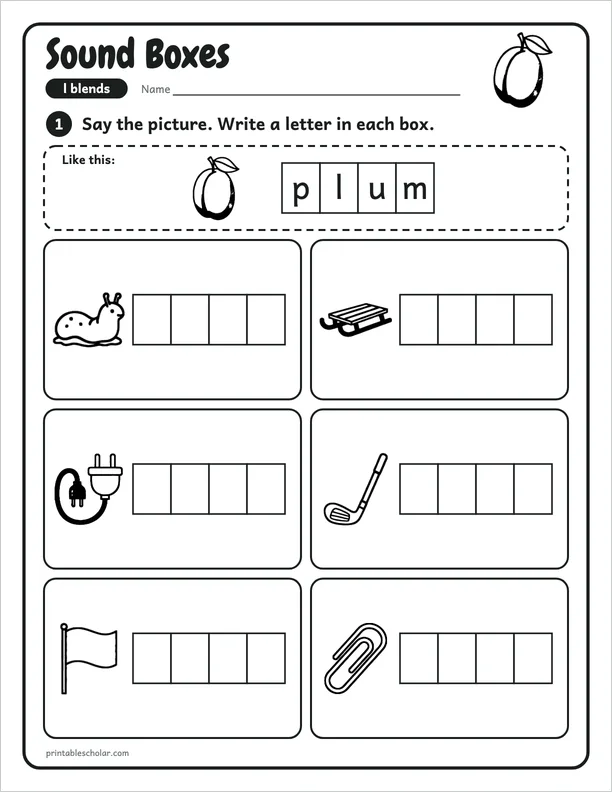
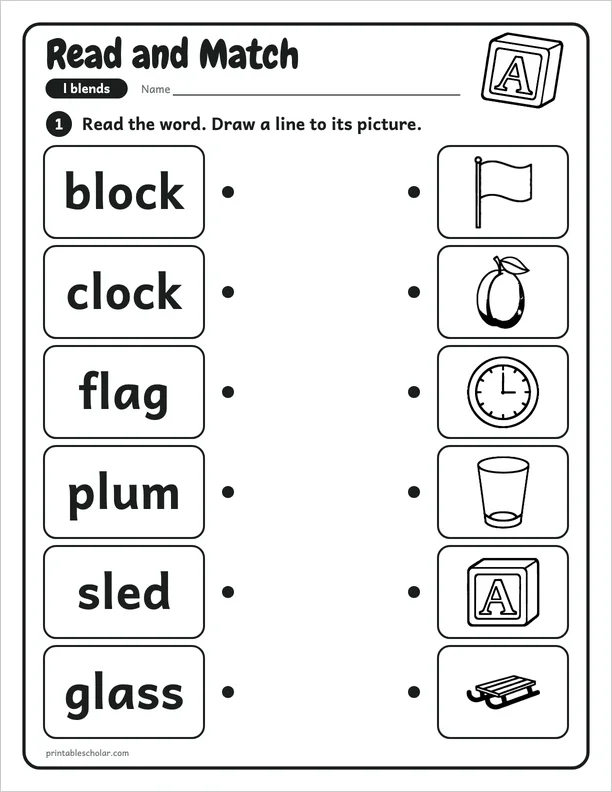
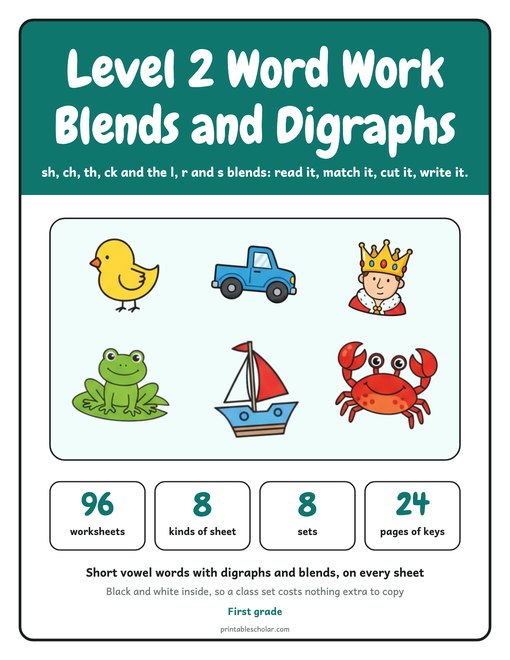
The sheets above are free. The pack is every sheet for sh, ch, th, ck and the l, r and s blends in order, a review set and all the answer keys, ready to print.
Get the pack for $7 See every kind of sheetTeaching more than one level? All 6 levels, 600+ worksheets, for $19.
4 ready-to-print PDFs for this story's l-blends words. Each one opens as its own file.
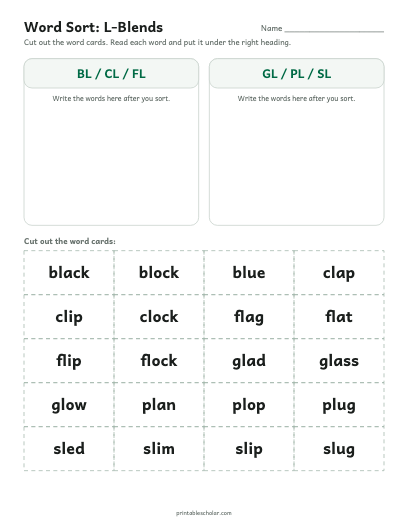
Cut-apart word cards to sort: BL / CL / FL or GL / PL / SL. Answer key on page 2.
Download PDF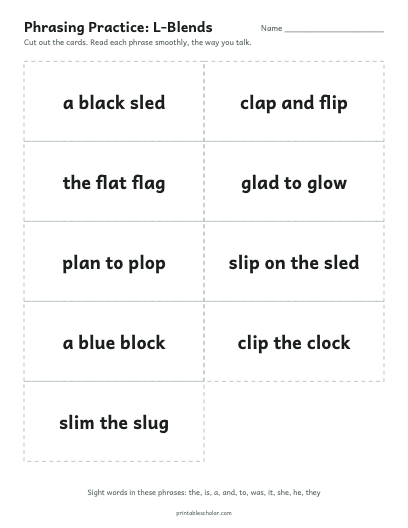
A new decodable story with the same l-blends sounds — each comes with its own set of worksheets.
L-blends, like bl-, cl-, and fl-, are consonant blends where the 'l' sound follows another consonant without a vowel in between. This skill builds upon foundational consonant and short vowel knowledge, appearing in Phase 2 of phonics instruction. Young learners often find L-blends challenging because they need to articulate two distinct consonant sounds quickly and smoothly together. A common error is dropping one of the sounds, saying "ack" instead of "black," or "ap" instead of "clap." They might also insert a subtle vowel sound, making "flat" sound like "fuh-lat." Mastering these blends requires careful attention to the precise mouth movements for both consonants, ensuring both sounds are heard clearly and are blended into a single syllable, as in "glow" or "plug." Our L-blends worksheets provide targeted practice to help students overcome these hurdles. Begin by having your child read the decodable passage "Jen's Sled Run," focusing on accurate pronunciation of words like "sled" and "slip." After reading, use the word sort activity to categorize words such as "black," "blue," and "glad" by their initial blend. This helps reinforce visual recognition of the patterns. Phrasing cards can be used to practice reading L-blend words in short, meaningful groups, improving fluency and natural rhythm. Finally, the Rapid Automatic Naming (RAN) chart for L-blends encourages quick recall of these patterns, building automaticity and freeing up cognitive space for comprehension. Consistent, focused practice with these tools will solidify your child's understanding and application of L-blends.
For more early literacy resources, explore our sight word flashcards, tracing worksheets, handwriting worksheets, and coloring pages.
 Printable Scholar

