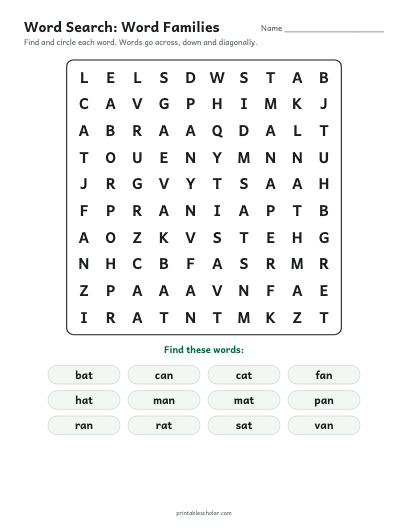
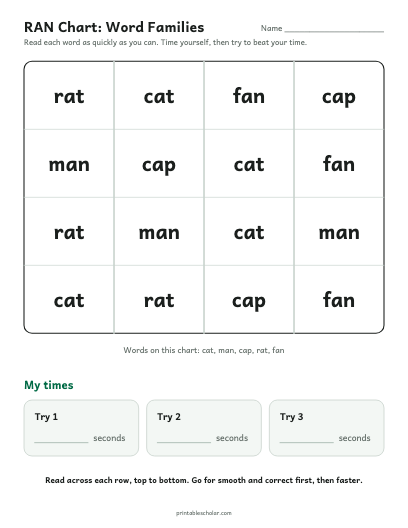
Free printable word families phonics worksheets. Five practice activities: decodable passage, word sort, phrasing cards, rapid naming chart, and word search.
A free illustrated mini-book for Word Families, plus the same story as a passage sheet for highlighting.

A full-color picture book your student reads on their own. Skill: Word Families. Print, cut and staple.
 Want the whole level? 62 Level 1 mini-books in one file, $14Every book stays free to print one at a time.
See the pack →
Want the whole level? 62 Level 1 mini-books in one file, $14Every book stays free to print one at a time.
See the pack →
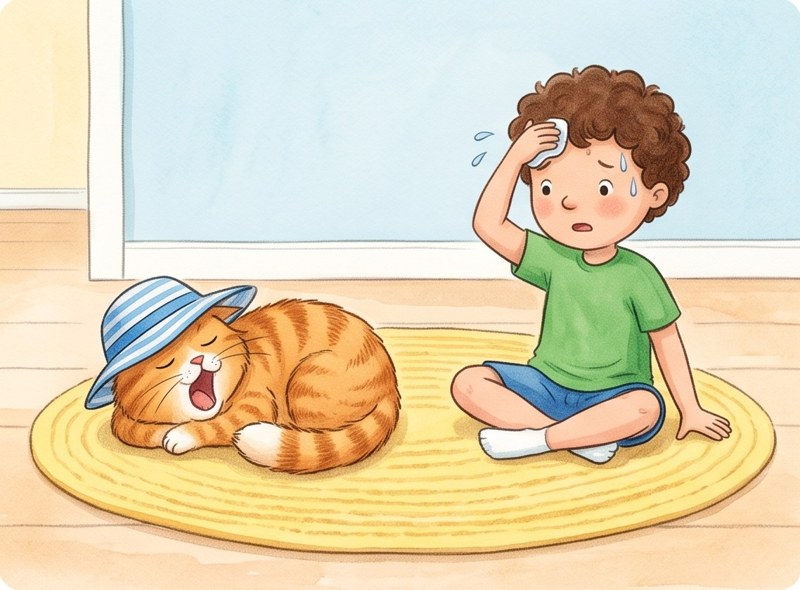
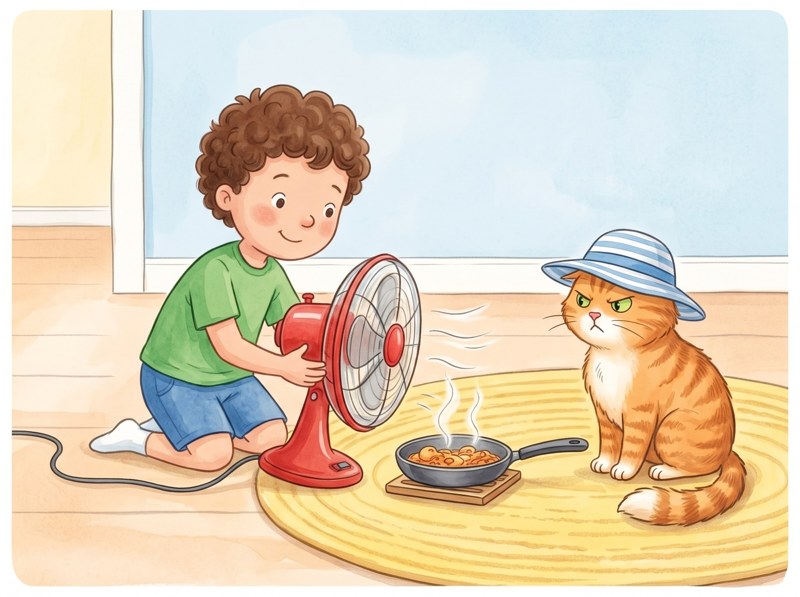
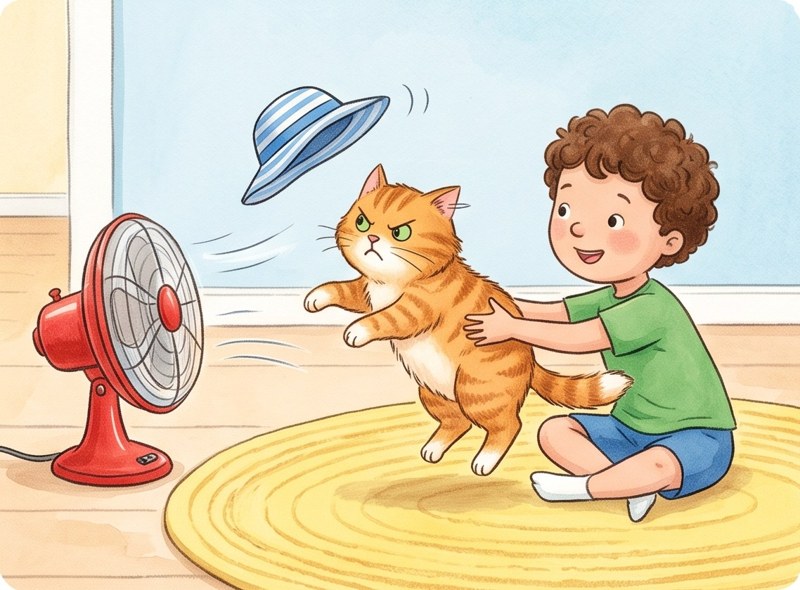
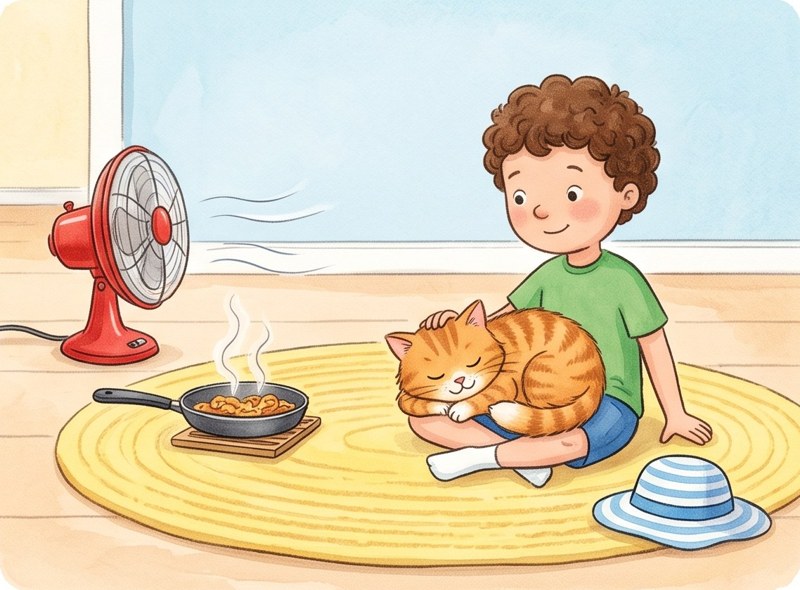
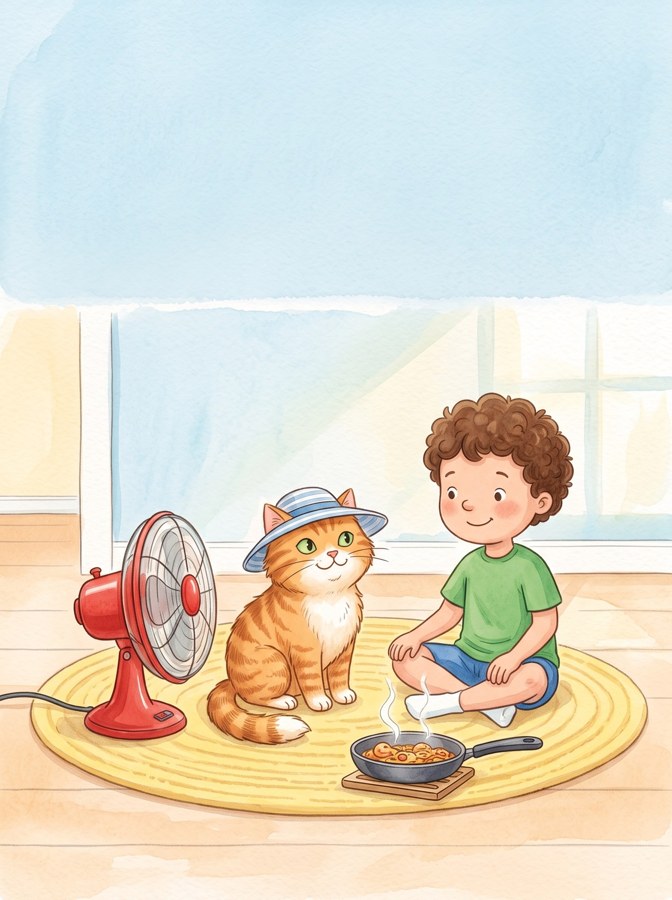
Pat the cat sat on a mat. He had to nap. His pal, Dan, sat on the mat too. It was hot. Dan got a big fan. The fan was not for Pat — it was for a hot pan on the mat. Zip! Zap! The fan was fast. It got Pat’s hat! Pat was mad. “That is my hat!” said Pat. He ran to get his hat. Dan got the cat. “You can nap on my lap,” said Dan. Pat sat on his lap. The fan did not get him. Pat had a good nap.
The words this story set practices, in the two groups used by the word sort.
cat, bat, hat, mat, sat, rat, flat, brat
can, man, pan, ran, fan, van, cap, map, nap, tap, gap, lap
Short A words to read, match and write, with pictures. Each PDF has its answer key on page 2.
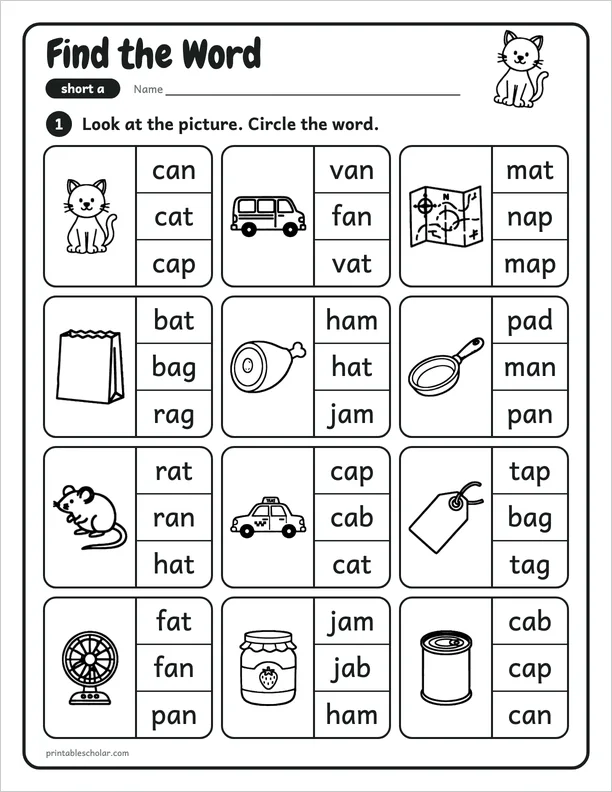
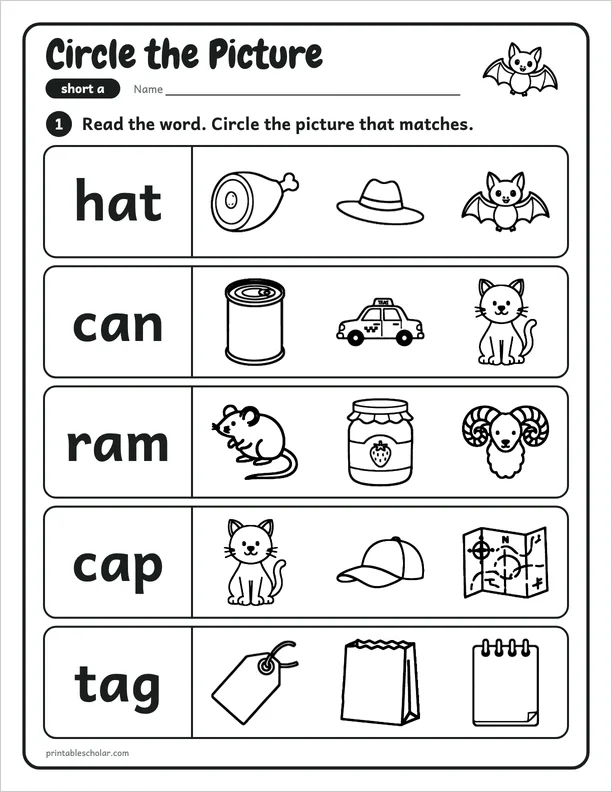
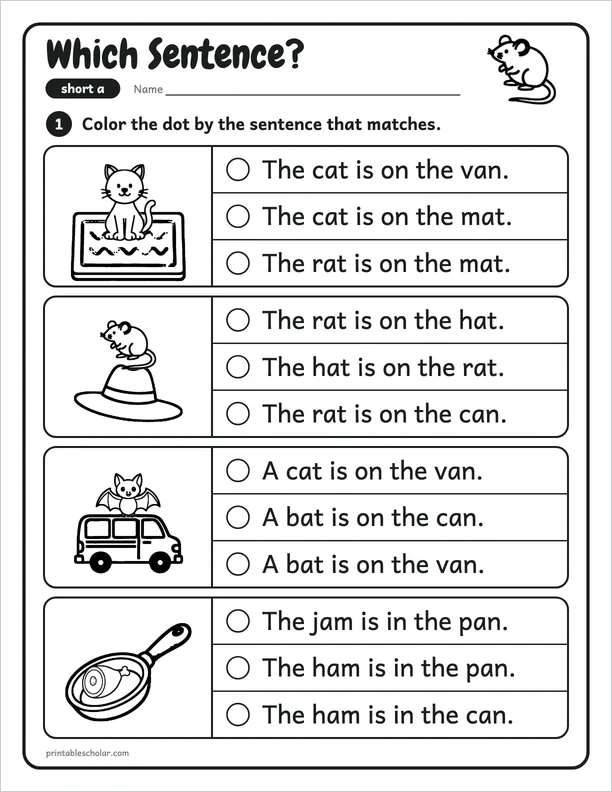
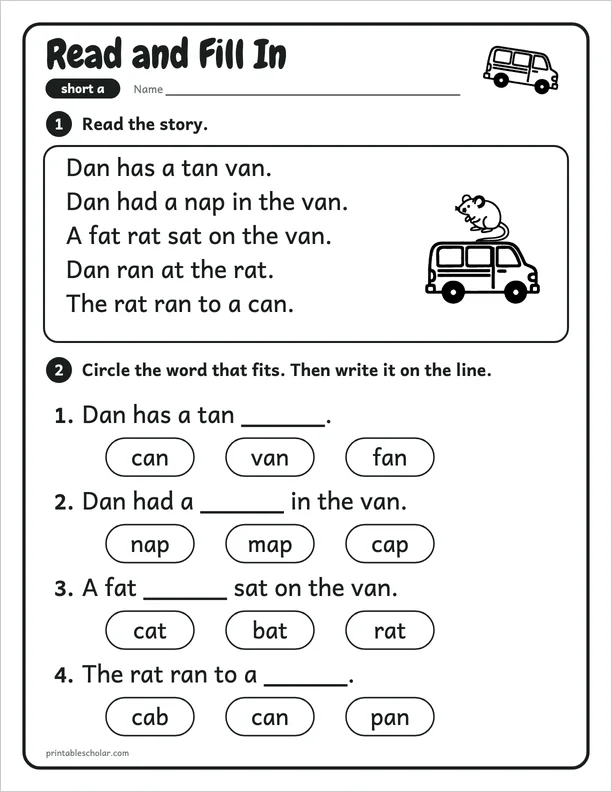
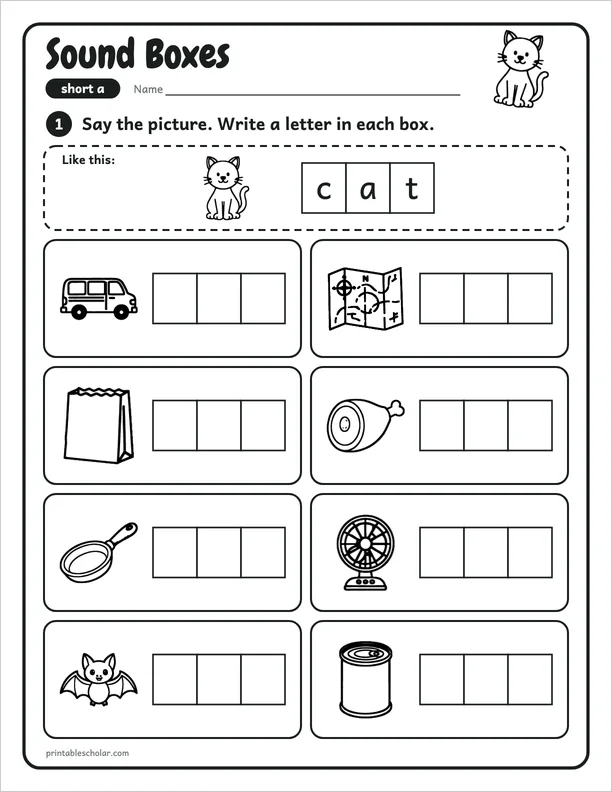
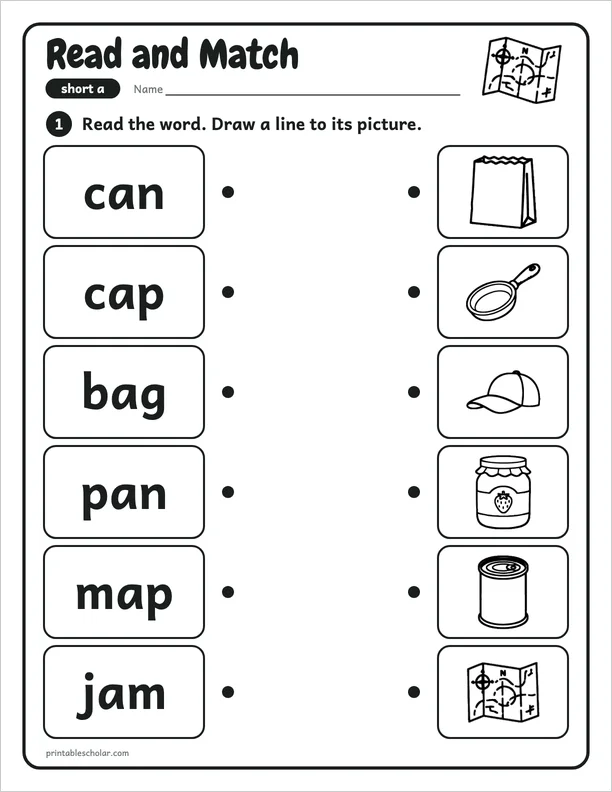
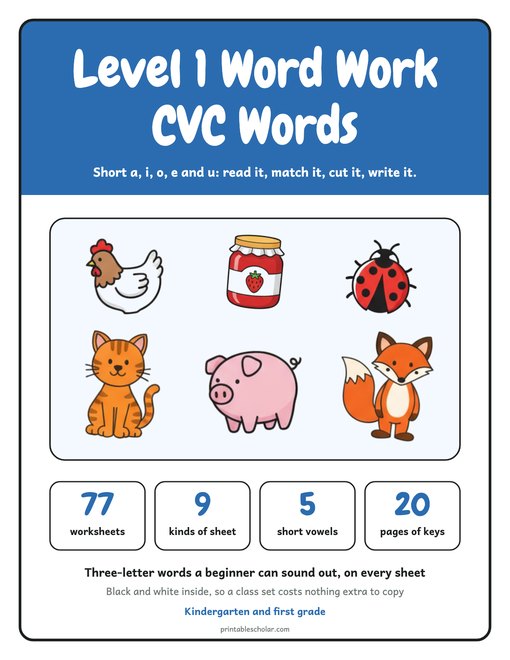
The sheets above are free. The pack is every sheet for short a, i, o, e and u in order, a review set and all the answer keys, ready to print.
Get the pack for $7 See every kind of sheetTeaching more than one level? All 6 levels, 600+ worksheets, for $19.
4 ready-to-print PDFs for this story's word families words. Each one opens as its own file.
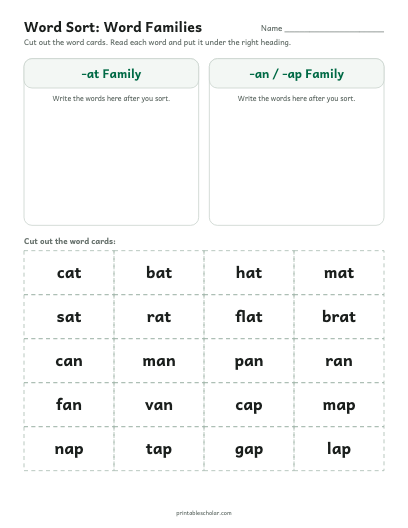
Cut-apart word cards to sort: -at Family or -an / -ap Family. Answer key on page 2.
Download PDF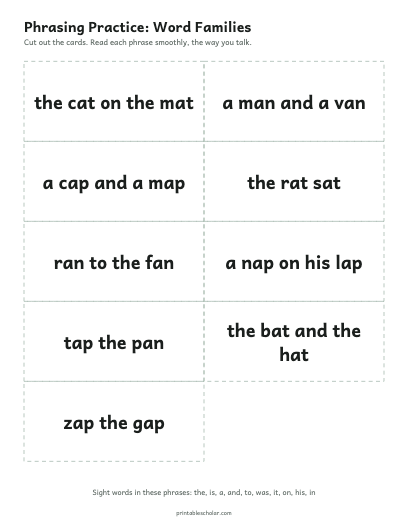
More picture worksheets: beginning sounds, ending sounds, rhyming and syllables — new pictures every time you print.
A new decodable story with the same word families sounds — each comes with its own set of worksheets.
Word families like -at, -an, and -ap introduce kindergarteners to predictable spelling patterns, building foundational decoding skills. This early phase focuses on CVC (consonant-vowel-consonant) words, where only the initial sound changes while the rime remains consistent. A common challenge arises with the short /a/ sound, as students might over-articulate it, saying "c-ah-t" instead of a quick, blended "cat." Differentiating between the similar-sounding /a/ in "fan" and "ran" versus the slightly more open /a/ in "tap" and "gap" can also be tricky for developing ears. Additionally, ensuring a clear distinction between /n/ and /p/ at the end of words like "pan" and "cap" requires careful modeling and practice, preventing mispronunciations or confusion. To maximize learning with these word family worksheets, begin by reading the "Pat the Cat" decodable passage together, highlighting the target words as you encounter them. Use the word sort activity to visually group words like "cat," "hat," and "mat" under the -at family, reinforcing the consistent rime. The phrasing cards are excellent for building fluency; practice reading short phrases such as "a big van" or "tap the mat" to develop natural reading rhythm. Finally, implement the Rapid Automatic Naming (RAN) chart, encouraging quick identification of words like "can," "man," "pan," and "map," helping students move from sounding out to automatic recognition, strengthening their sight word vocabulary within these families.
For more early literacy resources, explore our sight word flashcards, tracing worksheets, handwriting worksheets, and coloring pages.
 Printable Scholar


