Free printable word families phonics worksheets. Five practice activities: decodable passage, word sort, phrasing cards, rapid naming chart, and word search.
A free illustrated mini-book for Word Families, plus the same story as a passage sheet for highlighting.

A full-color picture book your student reads on their own. Skill: Word Families. Print, cut and staple.
 Want the whole level? 62 Level 1 mini-books in one file, $14Every book stays free to print one at a time.
See the pack →
Want the whole level? 62 Level 1 mini-books in one file, $14Every book stays free to print one at a time.
See the pack →
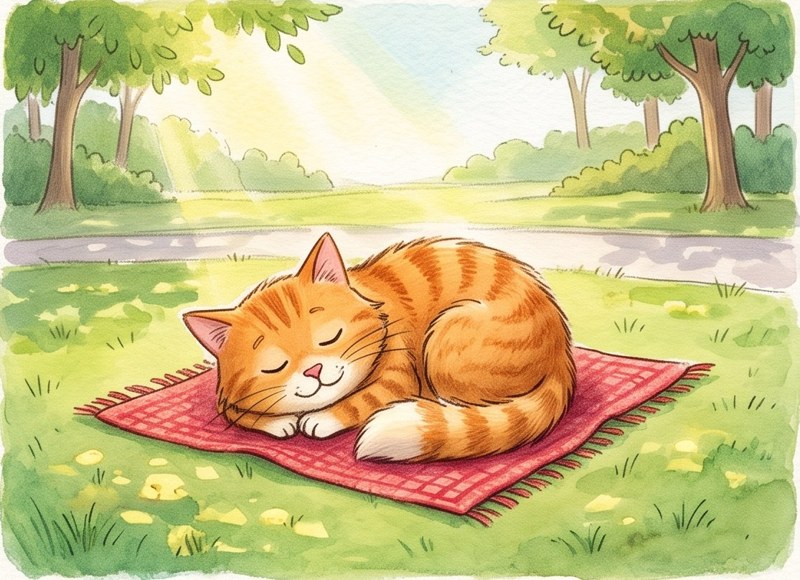
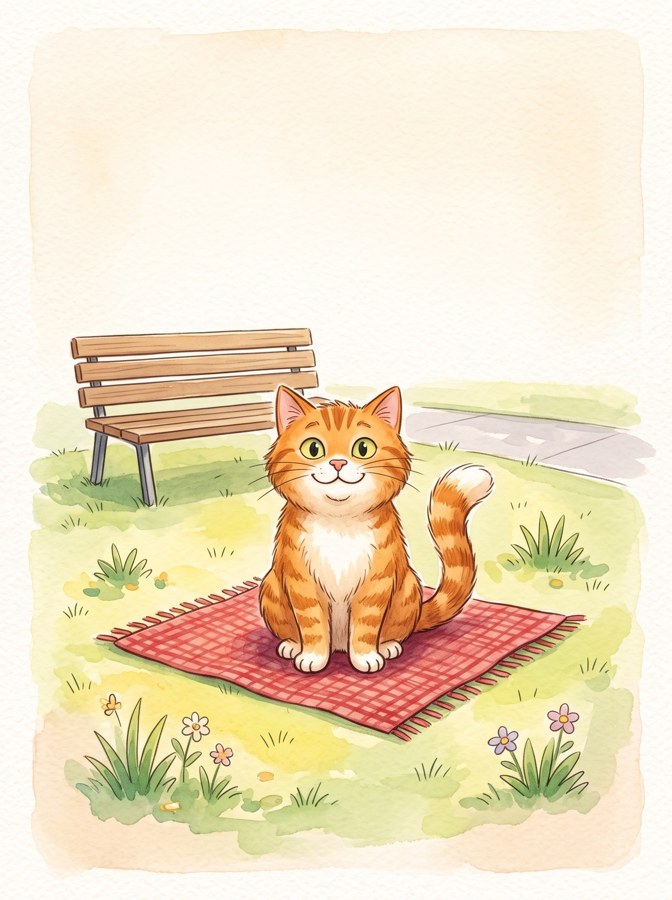
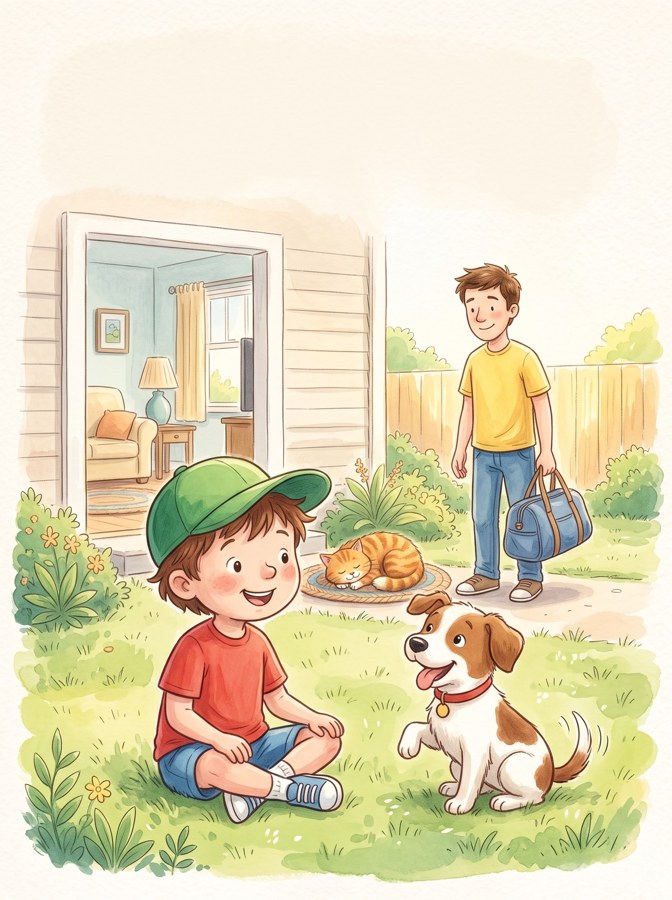
Pat the cat had a red mat. Pat sat on her mat for a nap.
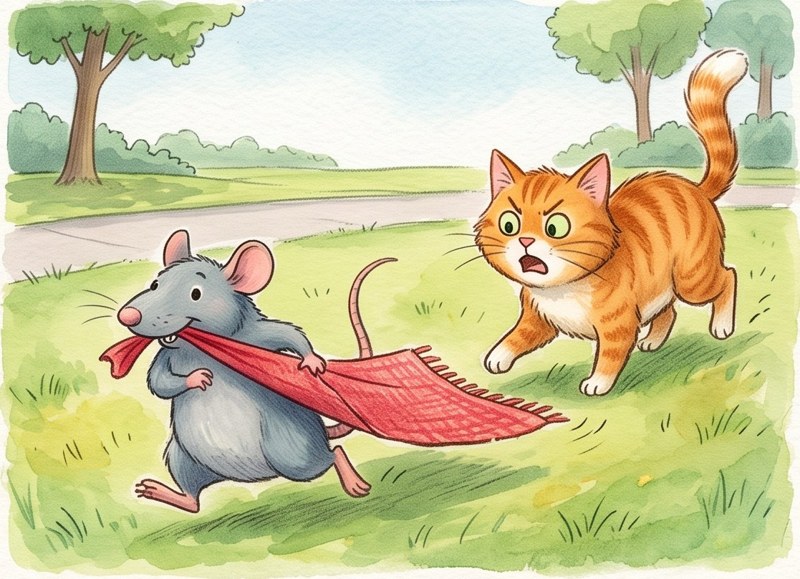
But a fat rat ran past. The rat got the mat!
“My mat!” said Pat. She ran and ran.
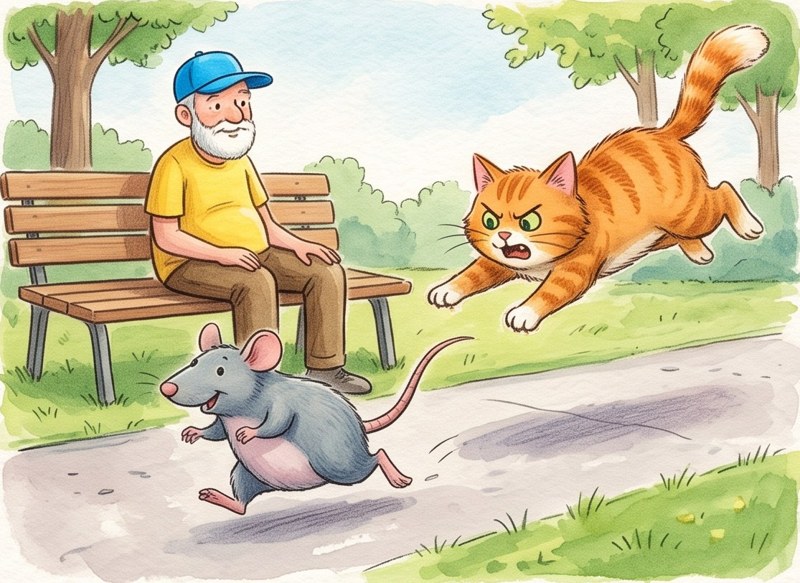
The rat ran past a man with a cap on a bench.
Pat was mad. She ran at the rat. Zap! The rat ran off. It let go of the mat.
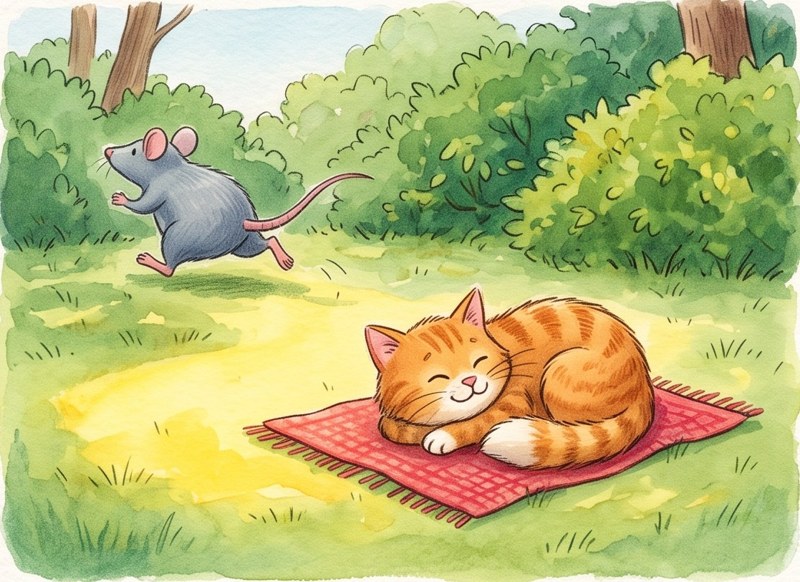
Pat got her mat. She sat on it in the sun for her nap.
The words this story set practices, in the two groups used by the word sort.
cat, bat, hat, mat, sat, rat, flat, brat
can, man, pan, ran, fan, van, cap, map, nap, tap, gap, lap
Short A words to read, match and write, with pictures. Each PDF has its answer key on page 2.
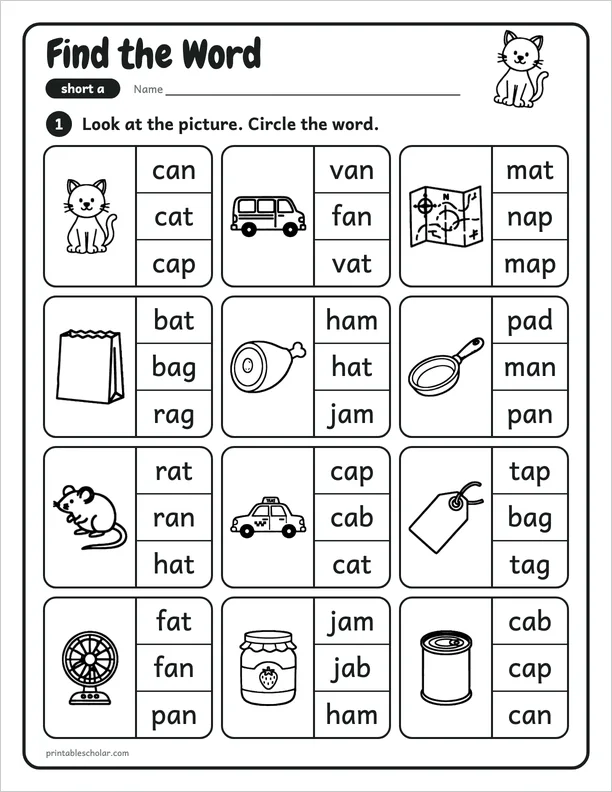
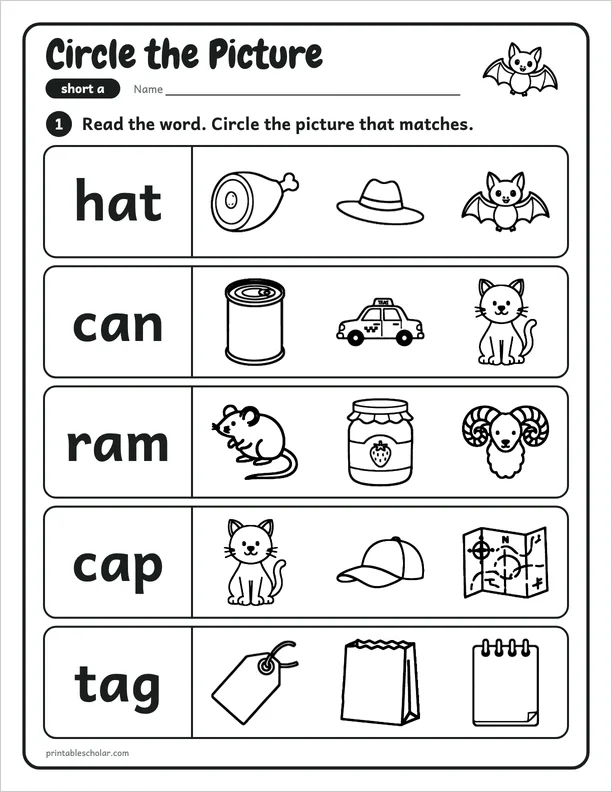
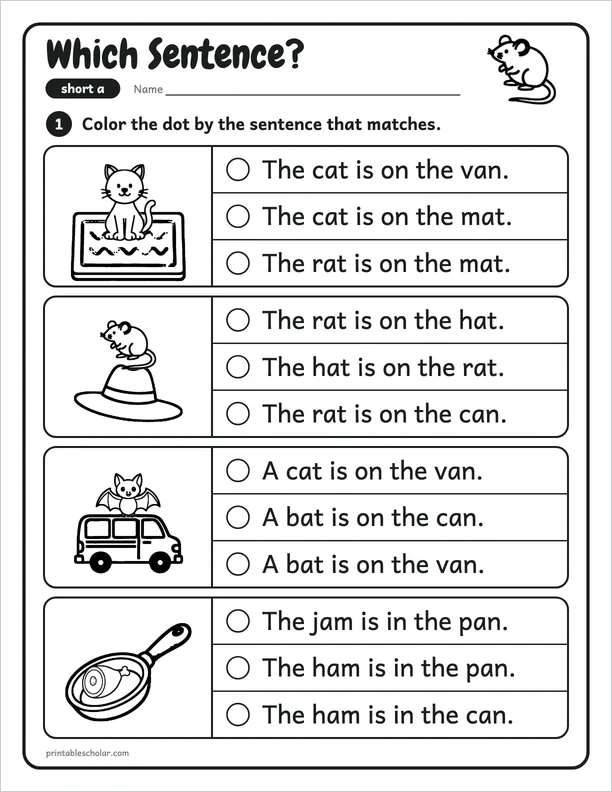
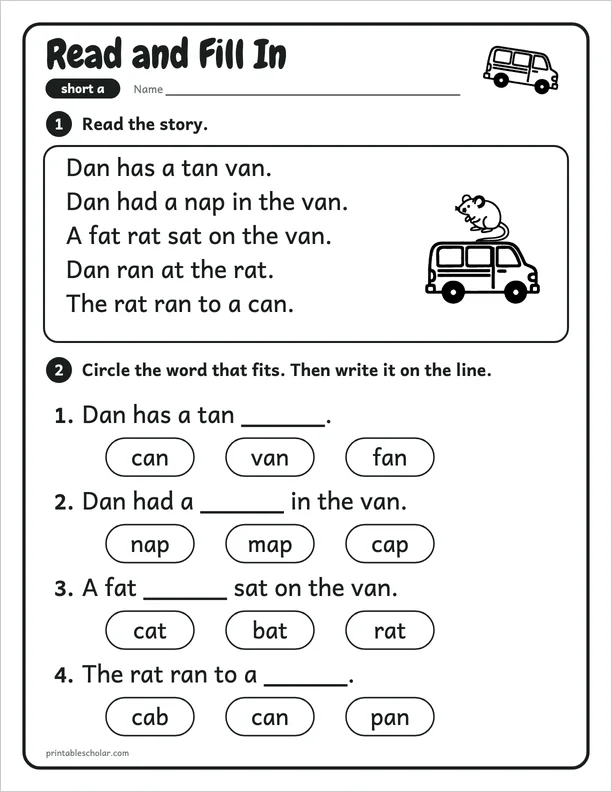
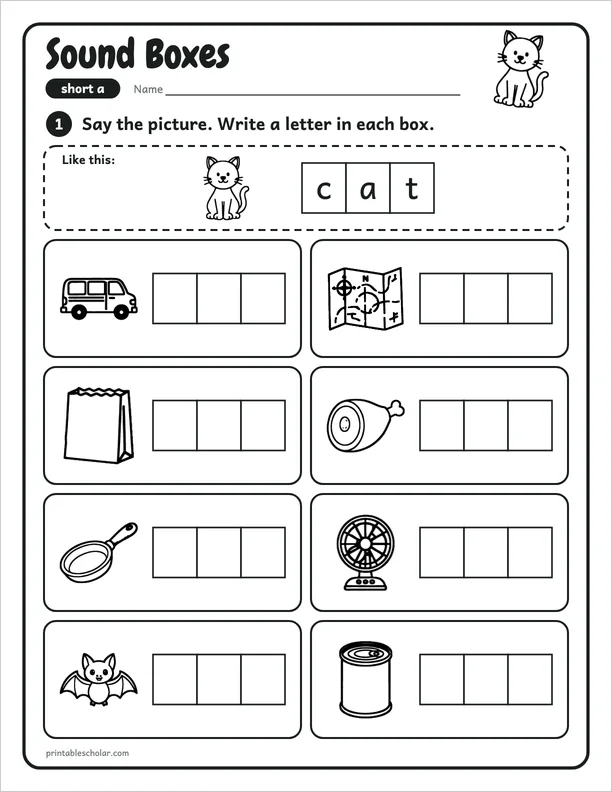
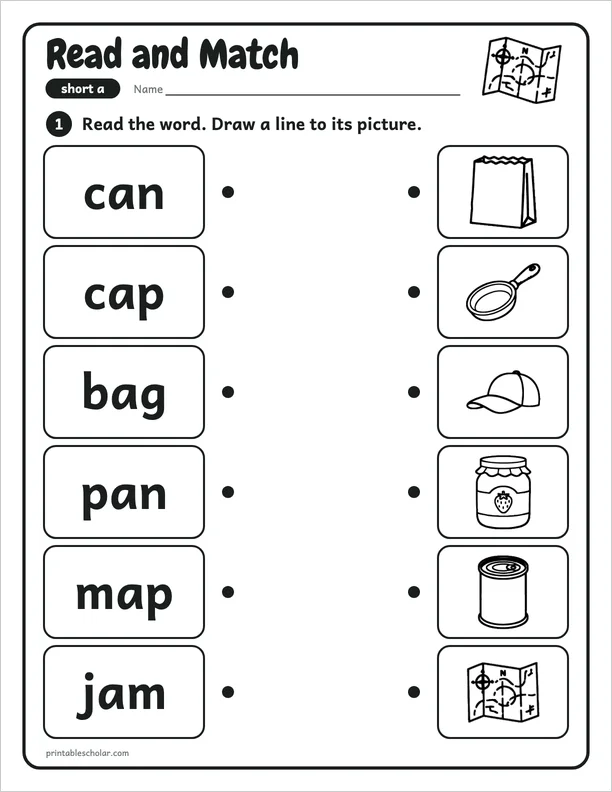
The sheets above are free. The pack is every sheet for short a, i, o, e and u in order, a review set and all the answer keys, ready to print.
Get the pack for $7 See every kind of sheetTeaching more than one level? All 6 levels, 600+ worksheets, for $19.
4 ready-to-print PDFs for this story's word families words. Each one opens as its own file.
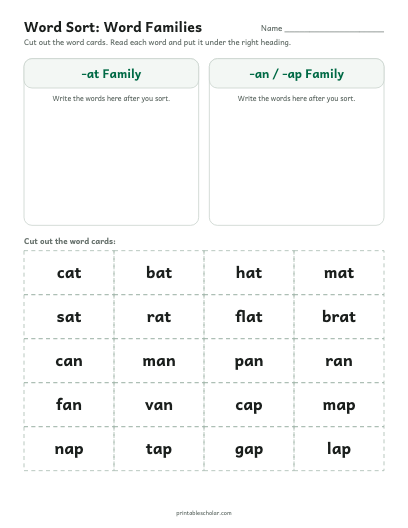
Cut-apart word cards to sort: -at Family or -an / -ap Family. Answer key on page 2.
Download PDF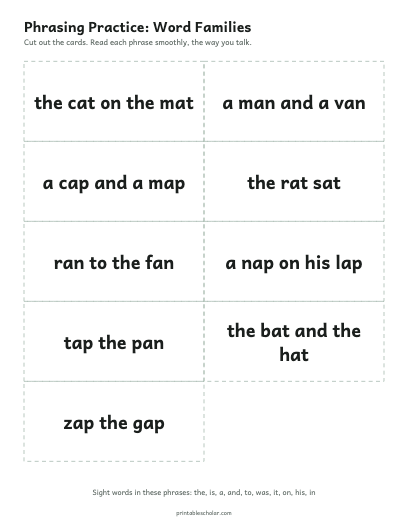
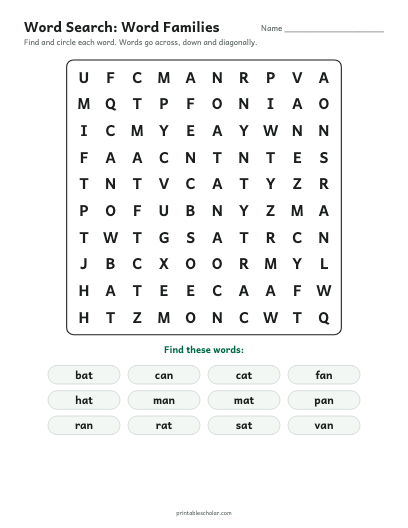
More picture worksheets: beginning sounds, ending sounds, rhyming and syllables — new pictures every time you print.
A new decodable story with the same word families sounds — each comes with its own set of worksheets.
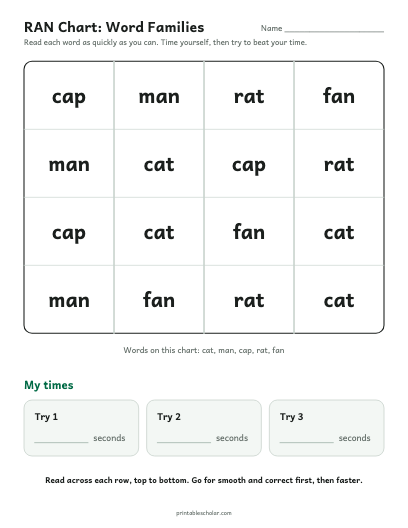
Word families, specifically CVC patterns like -at, -an, and -ap, are foundational for early readers, typically introduced after students grasp individual letter sounds. This phase helps children see recurring patterns in words, moving beyond sounding out each letter in isolation. The trickiest part for young learners often lies in differentiating the subtle vowel sounds, especially between /a/ in "cat" and /a/ in "can" when spoken quickly, or the final consonant sounds if they are not articulated clearly. For instance, "mat" and "nap" both begin with /m/ and /n/ respectively, but the ending sounds /t/ and /p/ can be easily confused if not emphasized. Students might also struggle with segmenting the onset from the rime, blending "c-at" rather than recognizing the "-at" chunk instantly. To maximize the impact of these worksheets, encourage active engagement. Before reading "Pat's Stolen Mat," introduce the word families using the phrasing cards, focusing on the consistent ending sound in words like "tap" and "lap." Utilize the word sort activity to help children physically categorize words by their rime, reinforcing the visual pattern of -at, -an, and -ap. When reading the decodable passage, guide students to highlight or underline the target word family words, practicing smooth blending rather than choppy letter-by-letter sounding. Finally, the RAN chart (Rapid Automatic Naming) is excellent for building fluency; time how quickly they can identify and say the words from each family, like "cat, bat, hat" or "pan, ran, fan," to build automaticity and confidence.
For more early literacy resources, explore our sight word flashcards, tracing worksheets, handwriting worksheets, and coloring pages.
 Printable Scholar


