Free printable silent e — long i phonics worksheets. Five practice activities: decodable passage, word sort, phrasing cards, rapid naming chart, and word search.
A free illustrated mini-book for Silent E — Long I, plus the same story as a passage sheet for highlighting.

A full-color picture book your student reads on their own. Skill: Silent E — Long I. Print, cut and staple.

 Want the whole level? 44 Level 3 mini-books in one file, $14Every book stays free to print one at a time.
See the pack →
Want the whole level? 44 Level 3 mini-books in one file, $14Every book stays free to print one at a time.
See the pack →
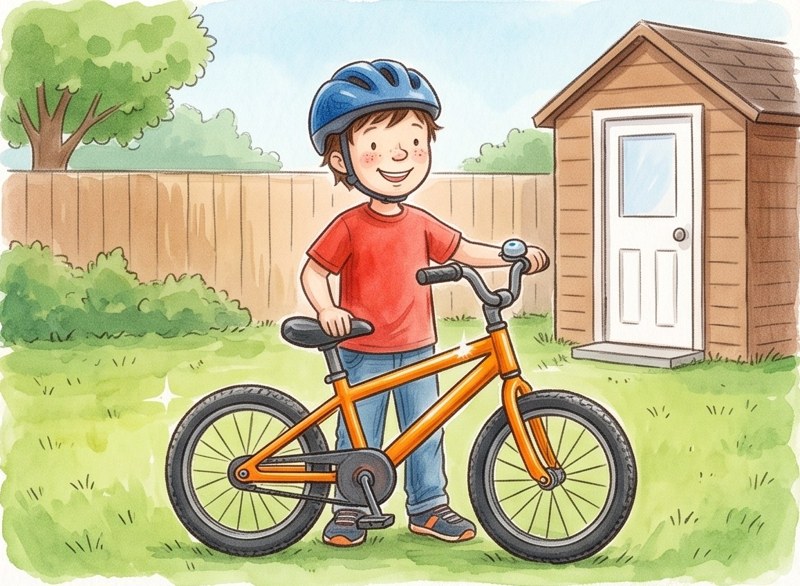
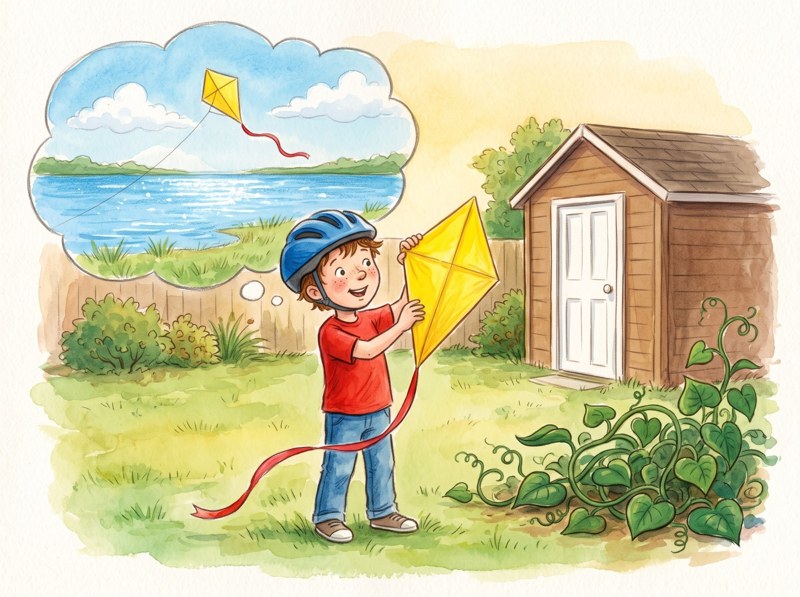
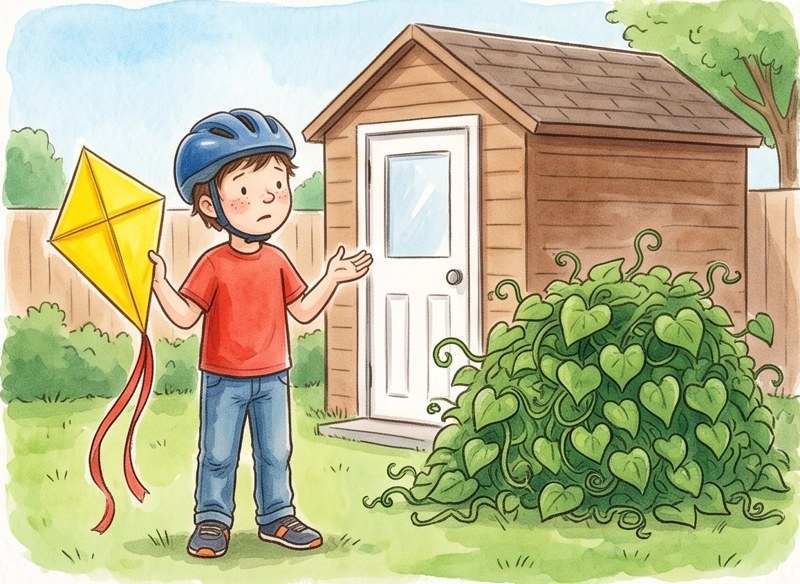
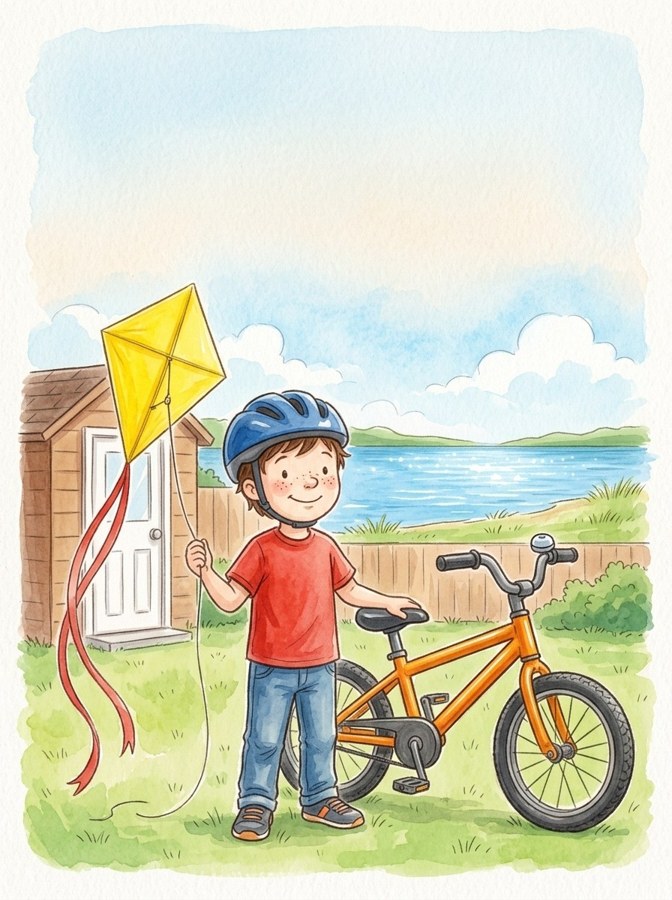
Mike had a nice new bike. He wanted to take his kite for a ride to the side of the wide lake. It was time to go! But Mike did not see his bike by the shed. A big green vine was all over it. The vine hid his bike. “My bike!” Mike said. He gave the vine a little tug. It was stuck fast. Mike gave it a wide pull with his whole self. Rip! The vine split. Mike gave a wide grin. He got his bike and his kite. “It is time to ride,” he said.
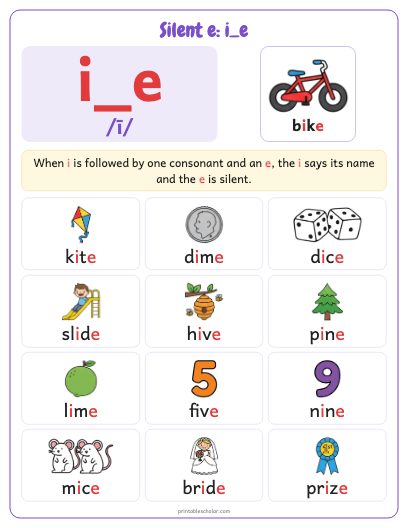
When i is followed by one consonant and an e, the i says its name and the e is silent.
Download poster (PDF)Print it full size for the wall, or smaller for a phonics notebook.
See all 63 phonics rules posters → · or get all 63 in one file for $7, with a notebook-size copy
The words this story set practices, in the two groups used by the word sort.
bike, hike, like, kite, bite, hide, ride, side, wide, line, tine, zine
zime, mibe, pive, fibe, dife, gipe, nive, rike
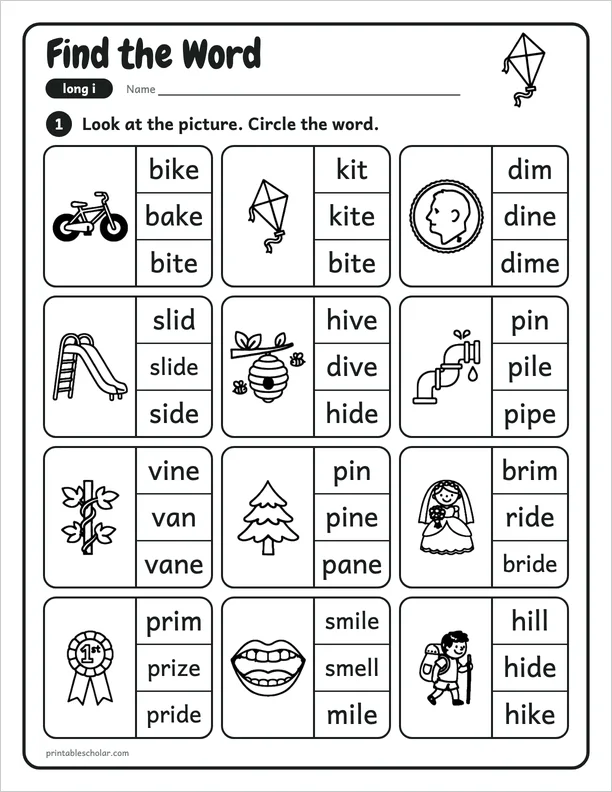
Silent e long i words to read, match and write, with pictures. Each PDF has its answer key on page 2.
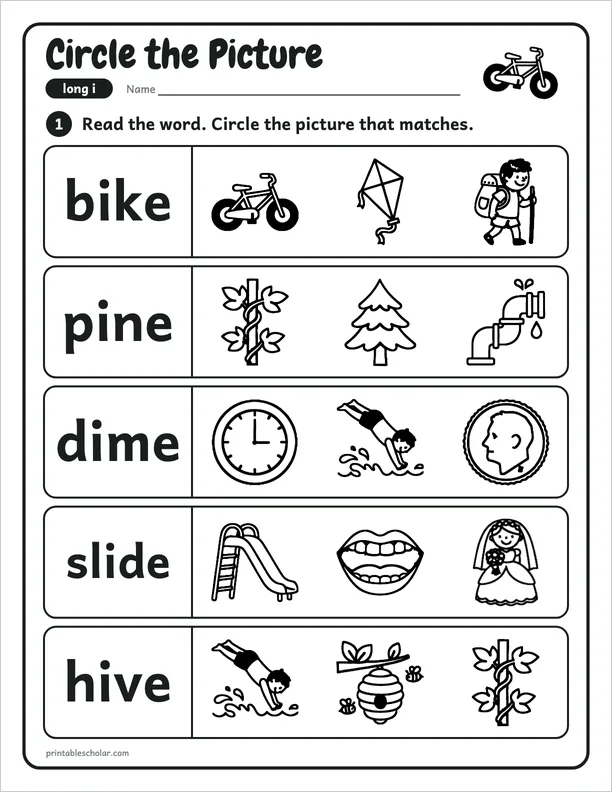
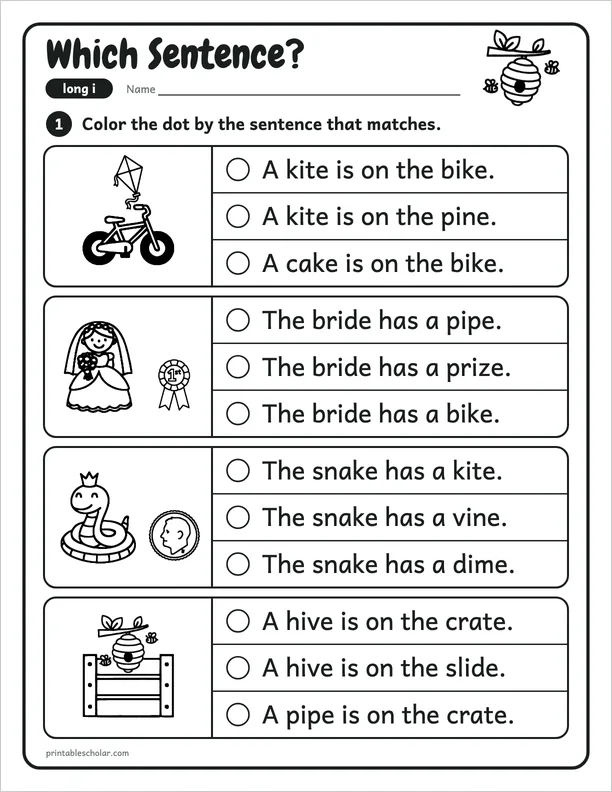
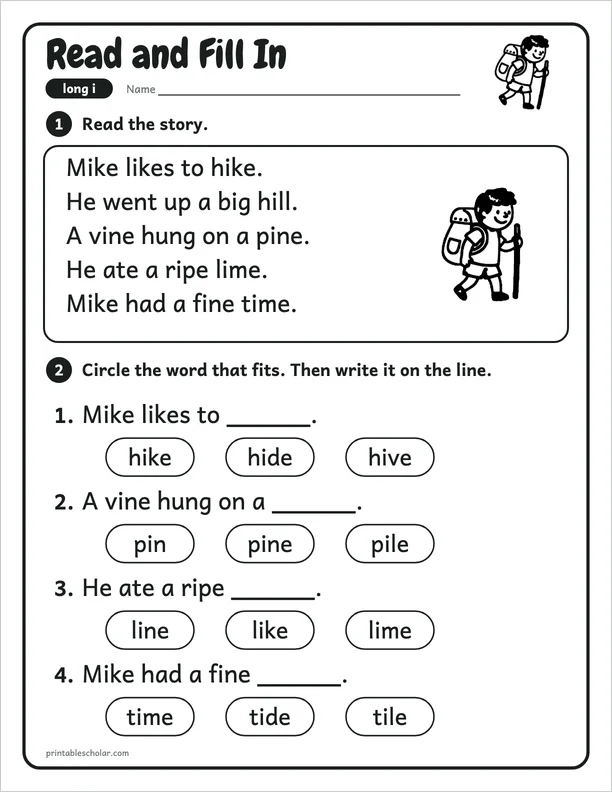
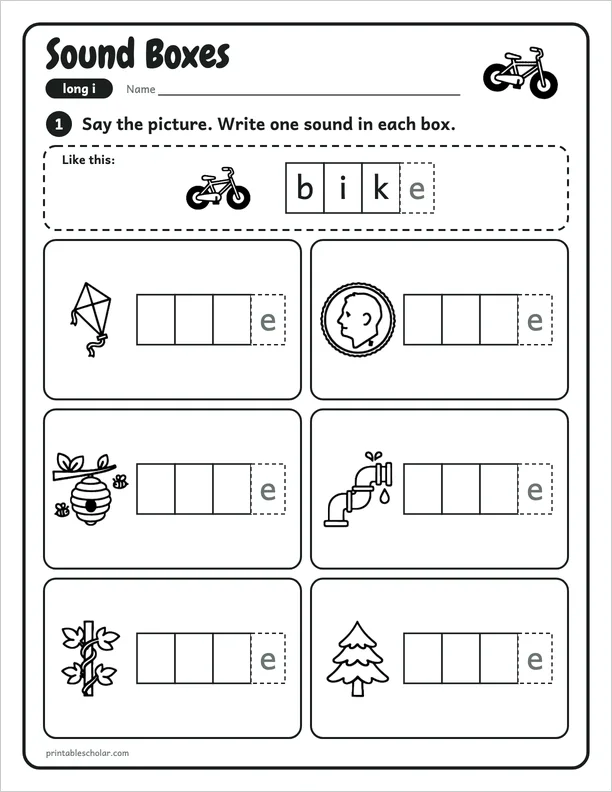
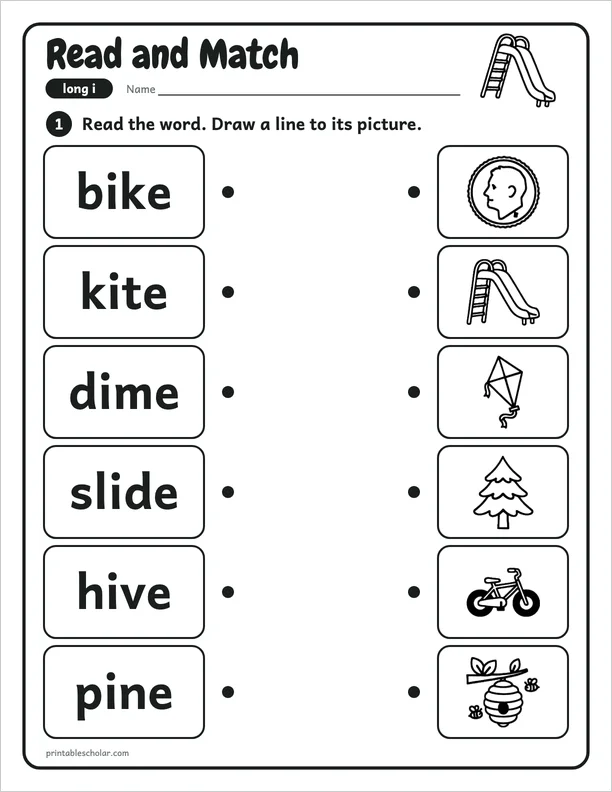
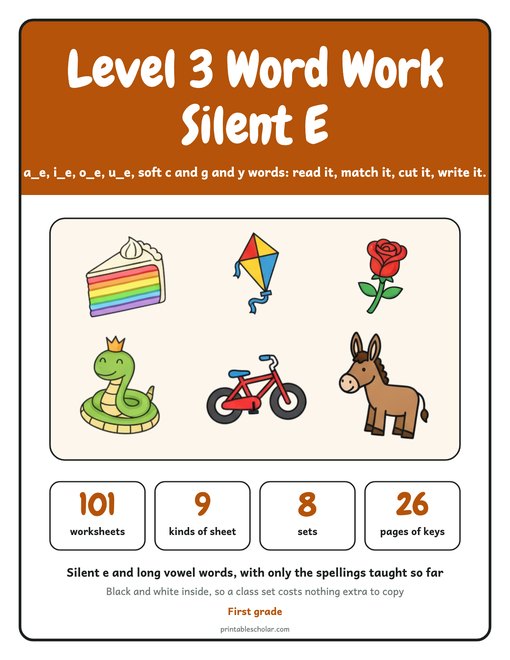
The sheets above are free. The pack is every sheet for a_e, i_e, o_e and u_e, soft c and g, y as a vowel and the all, old and ind words in order, with all the answer keys, ready to print.
Get the pack for $7 See every kind of sheetTeaching more than one level? All 6 levels, 600+ worksheets, for $19.
4 ready-to-print PDFs for this story's silent e — long i words. Each one opens as its own file.
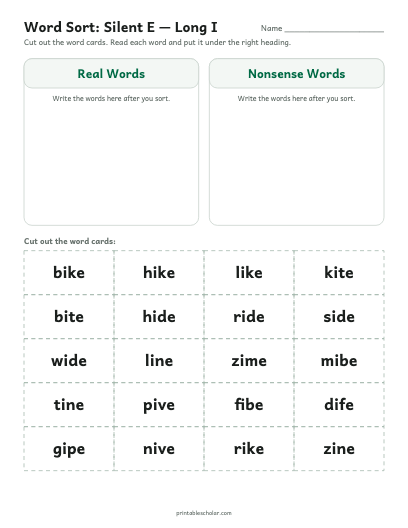
Cut-apart word cards to sort: Real Words or Nonsense Words. Answer key on page 2.
Download PDF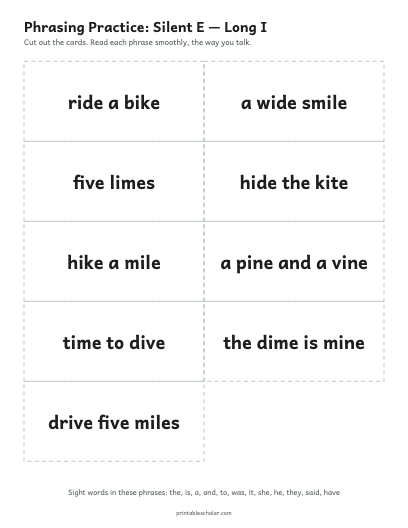
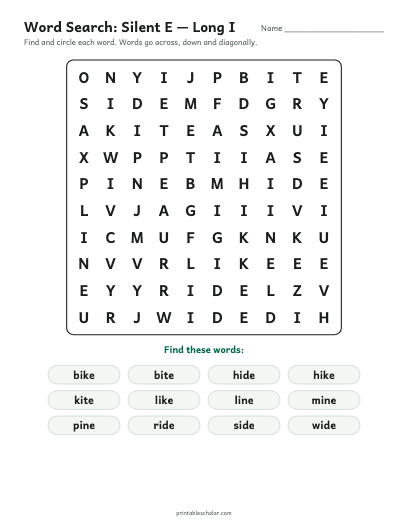
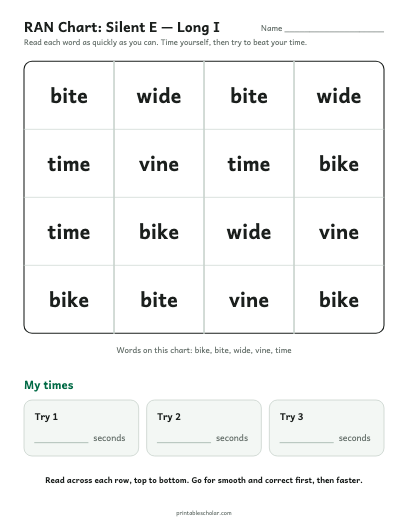
A new decodable story with the same silent e — long i sounds — each comes with its own set of worksheets.
The long I sound, as heard in words like "bike" or "time," presents a crucial step in early phonics, often introduced after short vowels and consonant digraphs. This specific pattern, i_e, where a silent 'e' at the end of a word changes a short 'i' to a long 'i', can be particularly challenging for young learners. Children frequently misread "bike" as "bik" or "bite" as "bit," overlooking the transformative power of the silent 'e'. They may also struggle with knowing when to apply the long I rule versus a short I, especially when encountering new words. The visual cue of the 'e' at the end, despite not making its own sound, requires careful attention and consistent practice to master. Our Printable Scholar worksheets provide focused practice for the i_e long I pattern. Begin with the decodable passage from "Mike's Hidden Bike," encouraging children to identify and sound out words like "ride," "hide," and "mine." Follow up with the word sort, where students categorize words into long I (i_e) and other patterns, reinforcing the visual recognition of the silent 'e'. The phrasing cards help build fluency by grouping target words like "five bikes" or "wide smile," promoting natural reading rhythm. Finally, utilize the Rapid Automatic Naming (RAN) chart to build speed and automaticity, quickly identifying words such as "kite," "dive," and "line," solidifying their understanding of this important phonics rule.
For more early literacy resources, explore our sight word flashcards, tracing worksheets, handwriting worksheets, and coloring pages.
 Printable Scholar


