Free printable digraph th phonics worksheets. Five practice activities: decodable passage, word sort, phrasing cards, rapid naming chart, and word search.
A free illustrated mini-book for Digraph TH, plus the same story as a passage sheet for highlighting.

A full-color picture book your student reads on their own. Skill: Digraph TH. Print, cut and staple.



 Want the whole level? 58 Level 2 mini-books in one file, $14Every book stays free to print one at a time.
See the pack →
Want the whole level? 58 Level 2 mini-books in one file, $14Every book stays free to print one at a time.
See the pack →
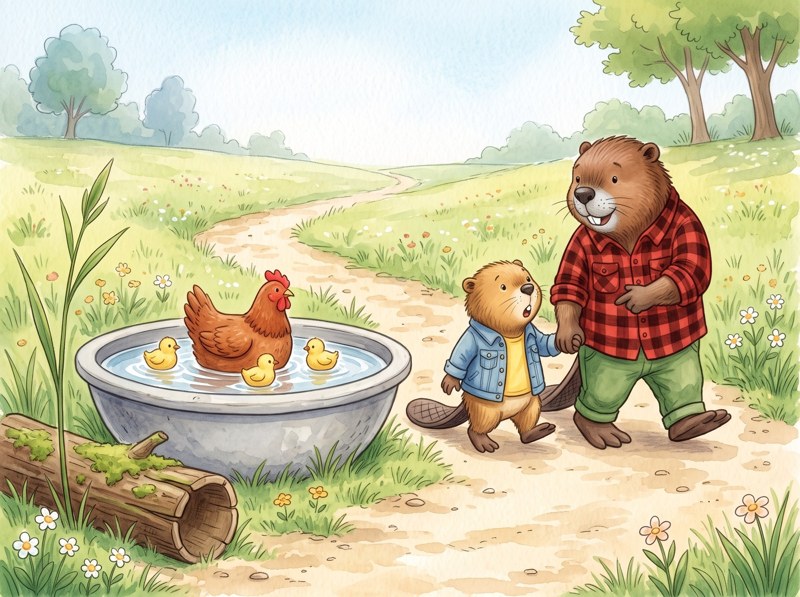
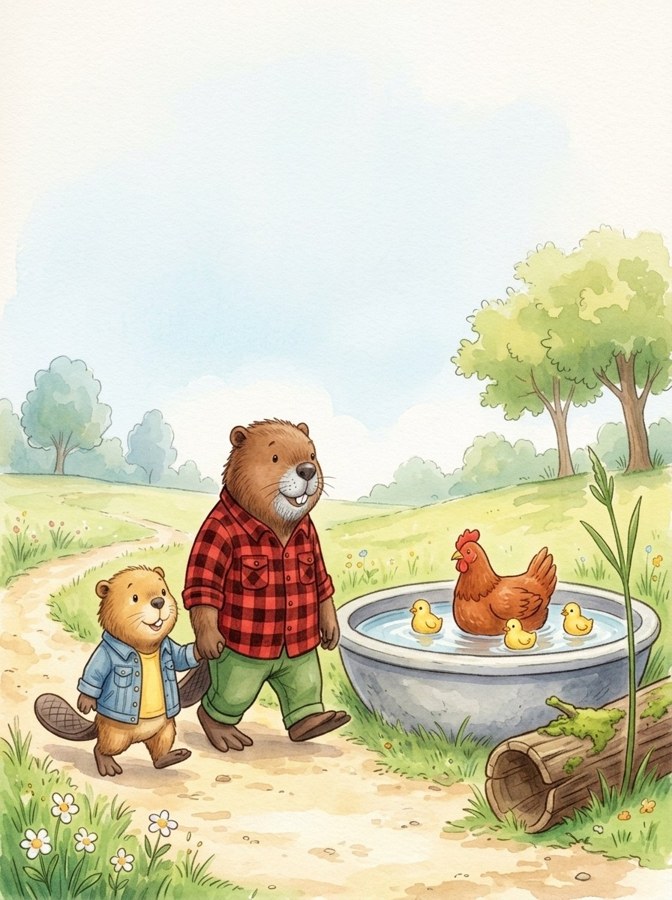
Thad and his dad had a walk on the path. They got to a big bath. A hen and her chicks sat in the wet bath. Thad got his dad.
Then, Thad got a look at a moth. The moth sat on a thin stem.
"That moth is grand," Thad said to his dad. "Can I get it?"
"No," said Dad. "Do not grab at it. A moth is a thin thing. But we can sit on this log with it."
Thad sat on the log. The moth sat still. The hen and her chicks did dip and drip in the bath. Thad had a lot of fun.
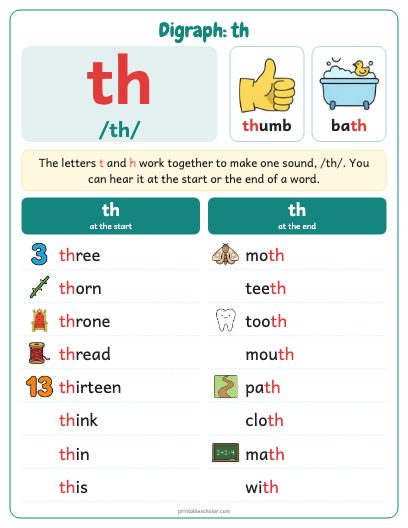
The letters t and h work together to make one sound, /th/. You can hear it at the start or the end of a word.
Download poster (PDF)Print it full size for the wall, or smaller for a phonics notebook.
See all 63 phonics rules posters → · or get all 63 in one file for $7, with a notebook-size copy
The words this story set practices, in the two groups used by the word sort.
this, that, them, then, than, thin, thick, think, thing, the
with, math, bath, path, moth, cloth, teeth, south, north, mouth
TH words to read, match and write, with pictures. Each PDF has its answer key on page 2.
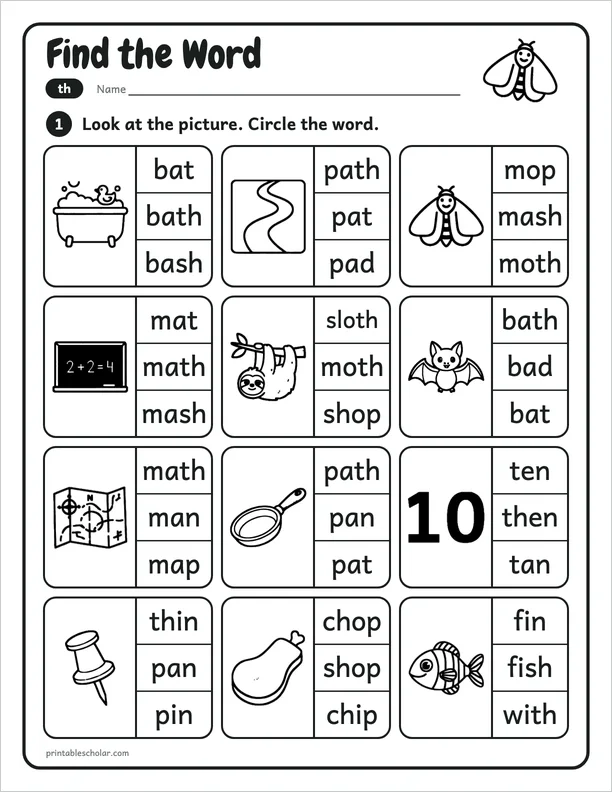
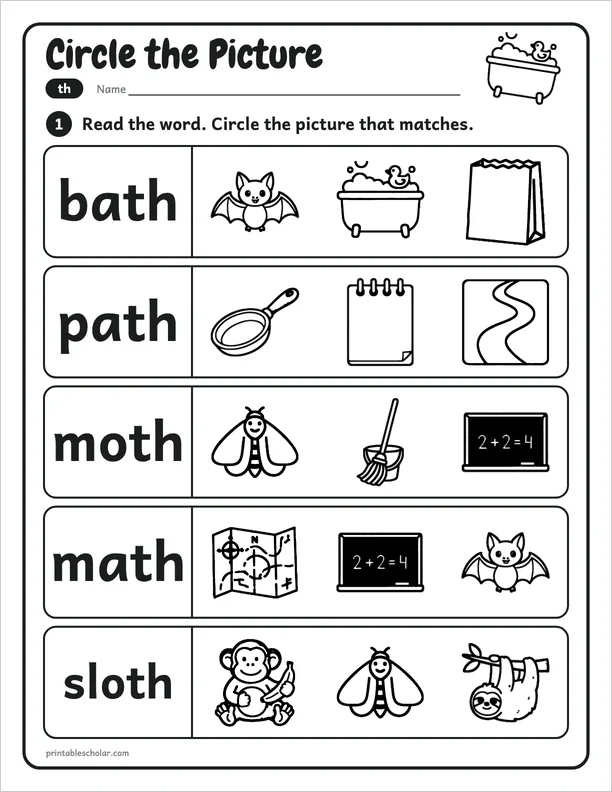
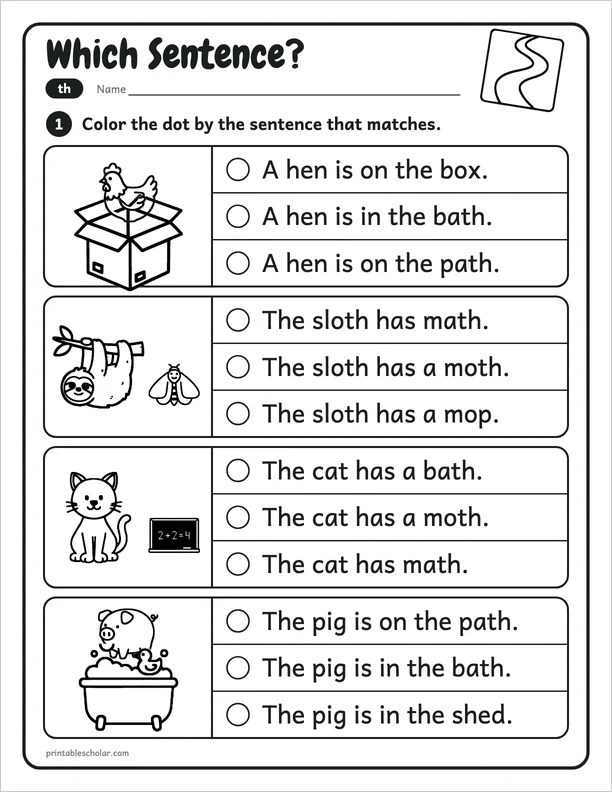
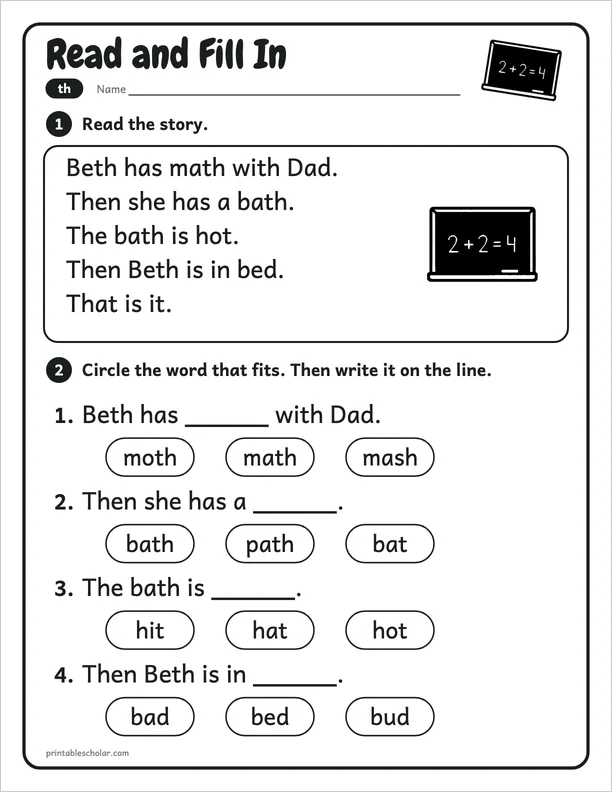
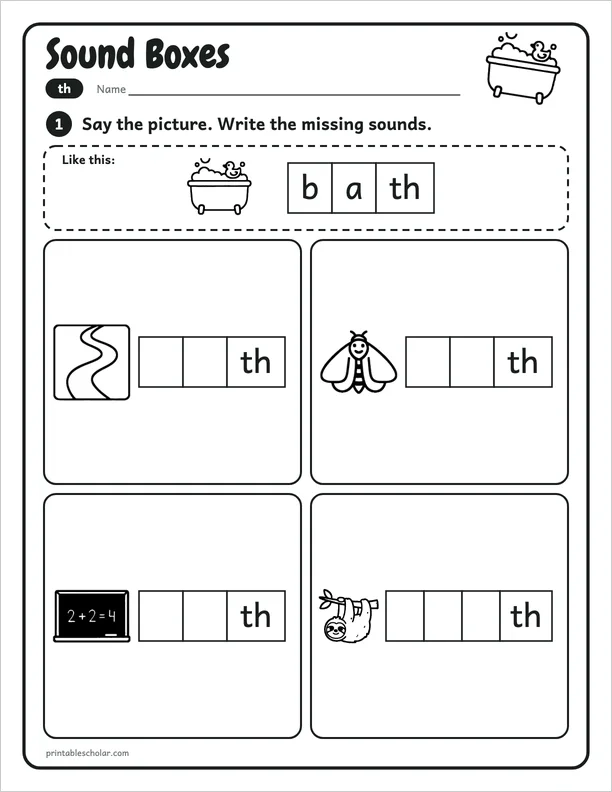
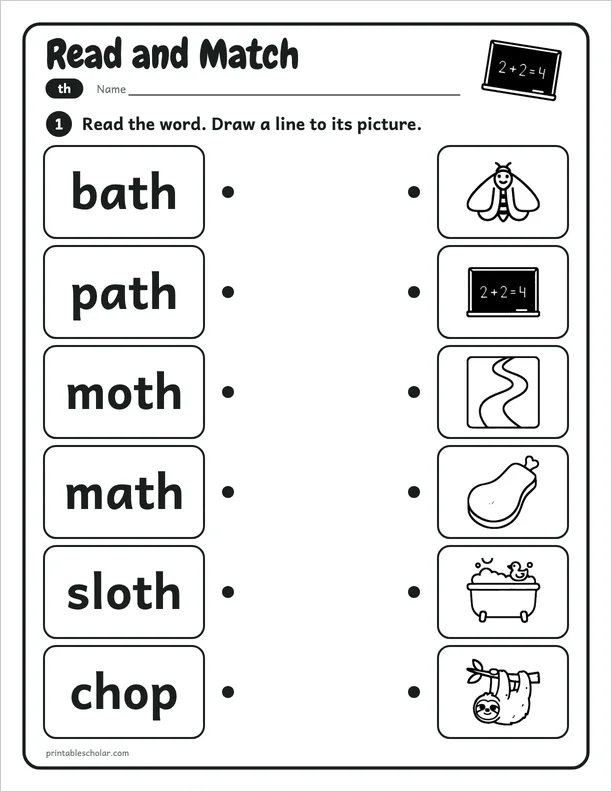
The sheets above are free. The pack is every sheet for sh, ch, th, ck and the l, r and s blends in order, a review set and all the answer keys, ready to print.
Get the pack for $7 See every kind of sheetTeaching more than one level? All 6 levels, 600+ worksheets, for $19.
4 ready-to-print PDFs for this story's digraph th words. Each one opens as its own file.
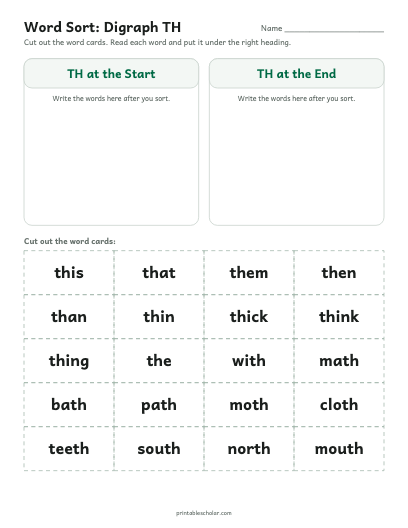
Cut-apart word cards to sort: TH at the Start or TH at the End. Answer key on page 2.
Download PDF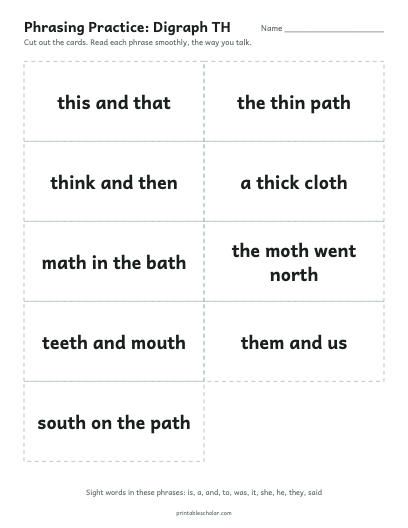
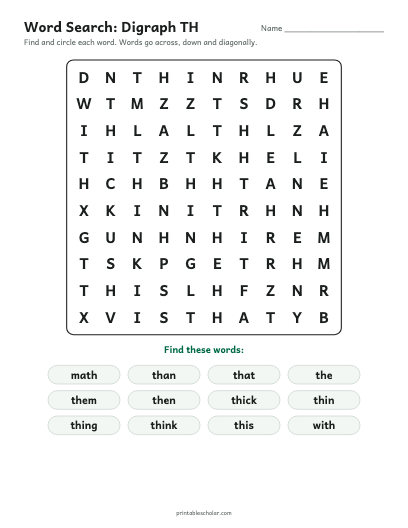
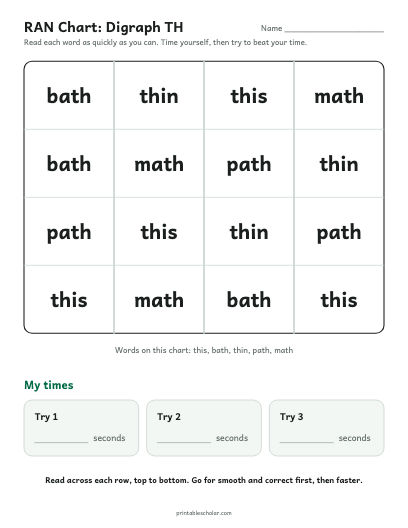
A new decodable story with the same digraph th sounds — each comes with its own set of worksheets.
The TH digraph is a crucial step in early phonics, typically introduced after students have a solid grasp of single consonant and short vowel sounds. It presents a unique challenge because it represents two distinct sounds: the voiced /th/ as in "this," "that," and "them," and the unvoiced /th/ as in "thin," "think," and "math." Young learners often struggle to differentiate these, sometimes substituting /f/ for /th/ (saying "fink" instead of "think") or /d/ for /th/ (saying "dis" instead of "this"). The subtle tongue placement – between the teeth – is also physically new for many children, leading to initial mispronunciations. Mastering the TH digraph builds foundational decoding skills, allowing students to read high-frequency words like "the" and "with" accurately. These worksheets provide targeted practice for the TH digraph. Begin by having your student trace and write the letter combination, focusing on both voiced and unvoiced examples. The accompanying decodable passage, "Thad's Bath," offers a contextualized reading experience where students can apply their knowledge of words like "bath," "math," and "moth." Encourage them to circle or highlight all the TH words they find. The word sort activity helps students categorize words based on the voiced or unvoiced TH sound, reinforcing the auditory distinction. Use the phrasing cards to practice reading short phrases containing TH words with fluency and expression. Finally, the Rapid Automatic Naming (RAN) chart will help build quick recognition of TH words, moving students towards automaticity.
For more early literacy resources, explore our sight word flashcards, tracing worksheets, handwriting worksheets, and coloring pages.
 Printable Scholar

